In the realm of construction and logistics, crane rental services play a pivotal role in ensuring that heavy materials and equipment are moved efficiently and safely. These services provide access to a variety of cranes, tailored to meet the specific needs of different projects, from towering skyscrapers to intricate bridge constructions. The flexibility offered by crane rentals allows businesses to scale their operations without the burden of purchasing expensive machinery, making it an attractive option for contractors and project managers alike. However, one critical aspect that often comes into play is the distance limitations associated with crane rentals. Understanding how far cranes can travel for rental services is essential for planning logistics and ensuring timely project completion.
Factors such as local regulations, transportation logistics, and the availability of suitable cranes can significantly influence the distance a crane can be transported. This not only affects the cost but also the overall efficiency of the project. As we delve deeper into this topic, we will explore the various factors that impact crane rental availability and how they relate to distance. By understanding these elements, businesses can make informed decisions that optimize their operations while minimizing delays and costs associated with crane rentals.
Factors Influencing Crane Rental Distances
When considering crane rental services, several key factors influence how far cranes can travel to meet the needs of construction projects. Understanding these factors is essential for both rental companies and clients to ensure efficient operations and cost-effectiveness.- Transportation Logistics: The logistics involved in transporting cranes are complex.
Factors such as the size and weight of the crane, the type of transport vehicle required, and the route taken all play a significant role. For instance, larger cranes may require special permits and escort vehicles, which can limit their travel distance.
- Regional Regulations: Different regions have varying regulations regarding heavy equipment transportation. Some states or municipalities may impose restrictions on travel times, routes, or even the types of vehicles allowed on certain roads. These regulations can significantly impact how far a crane can be transported for rental.
- Transportation Costs: The cost associated with transporting cranes is another critical factor.
Rental companies must consider fuel costs, labor for transport crews, and potential tolls or fees along the route. If transportation costs become too high, it may not be feasible to deliver cranes to distant locations.
- Regional Availability of Cranes: The availability of cranes in specific regions also affects rental distances. In areas where demand is high but supply is low, rental companies may need to transport cranes from further away, increasing both time and costs. Conversely, in regions with ample crane availability, local rentals may be more practical.
By understanding the logistics, regulations, costs, and regional availability, clients can make informed decisions when seeking crane rental services.
Types of Cranes and Their Mobility
When considering crane rental services, understanding the types of cranes available and their mobility capabilities is crucial. Different cranes serve various purposes, and their ability to travel can significantly impact project efficiency and logistics.Mobile Cranes
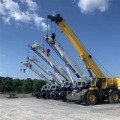
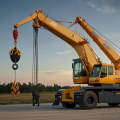
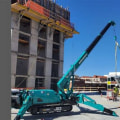
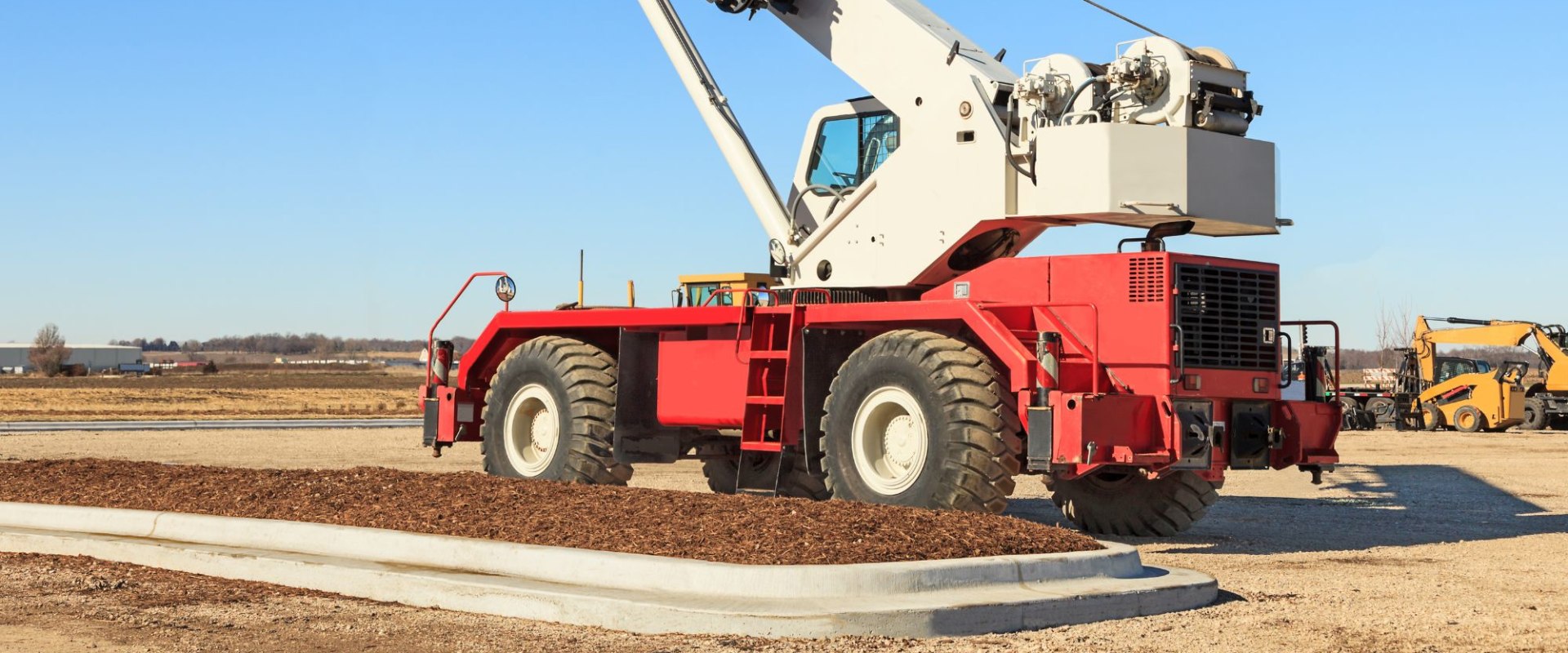
Mobile cranes are designed for versatility and ease of transport. They are equipped with wheels or tracks, allowing them to move quickly between job sites. This mobility makes them ideal for projects that require frequent relocation, such as construction sites or roadwork.Mobile cranes can typically travel on public roads, which expands their operational range significantly.
Fixed Cranes
In contrast, fixed cranes, such as tower cranes, are stationary and installed at a specific location for the duration of a project. While they offer exceptional lifting capabilities and height advantages, their lack of mobility means they cannot be easily relocated once set up. This limitation can affect how far they can be utilized for different projects, as they are often tied to a single site.Crane Mobility Considerations
The distance a crane can travel for rental services is influenced by several factors:- Type of Crane: As mentioned, mobile cranes can cover greater distances compared to fixed cranes.
- Local Regulations: Some areas have restrictions on crane movement, especially in urban settings.
- Transport Logistics: The availability of transport vehicles and routes can also limit how far a crane can be moved.
Regional Regulations and Their Impact on Crane Rentals
When considering crane rental services, it is essential to understand that local regulations and permits can significantly impact how far cranes can be transported.Each region has its own set of rules governing the operation and movement of heavy machinery, including cranes. These regulations are designed to ensure safety, minimize disruption, and protect public infrastructure.
Local laws on crane transport
often dictate specific routes that must be taken when moving cranes, especially in urban areas where traffic congestion and road conditions can pose challenges. For instance, some municipalities may require cranes to travel only during off-peak hours to reduce traffic impact. Additionally, certain roads may be restricted due to weight limits or height clearances, necessitating careful planning by rental companies.Furthermore, obtaining the necessary permits for crane rentals is a critical step in the process.These permits can vary widely depending on the jurisdiction and may include:
- Transport Permits: Required for moving cranes on public roads, ensuring compliance with local weight and size restrictions.
- Operational Permits: Needed for the actual use of cranes at job sites, which may involve inspections and adherence to safety standards.
- Environmental Permits: Sometimes necessary if crane operations could impact local ecosystems or wildlife.
Cost Implications of Long-Distance Crane Rentals
When considering crane rental services for long-distance projects, understanding the cost implications is crucial for effective budgeting.The expenses associated with long-distance crane rentals can vary significantly based on several factors.
Transportation Costs
The primary cost factor in long-distance crane rentals is transportation. Moving a crane from one location to another involves logistics that can quickly add up. Factors influencing transportation costs include:- Distance: The farther the crane has to travel, the higher the transportation fees will be.
- Type of Crane: Larger cranes may require specialized transport, which can increase costs.
- Fuel Prices: Fluctuating fuel prices can impact overall transportation expenses.
Potential Hidden Fees
In addition to transportation costs, clients should be aware of potential hidden fees that may arise during the rental process:- Toll Fees: If the transport route includes toll roads, these fees can accumulate.
- Permitting Costs: Some jurisdictions require permits for transporting heavy equipment, which can add to the overall expense.
- Insurance: Additional insurance may be necessary for long-distance rentals, especially if the crane will be on public roads.
Budgeting for Crane Rentals
To effectively budget for long-distance crane rentals, it’s essential to consider all potential costs. Here are some tips to help you plan:- Get Detailed Quotes: Always request comprehensive quotes from rental companies that include all potential fees.
- Plan Ahead: Early planning can help mitigate costs associated with last-minute rentals and transportation.
- Consult with Experts: Engaging with professionals who specialize in crane rentals can provide insights into cost-saving strategies.
Case Studies: Successful Long-Distance Crane Rentals
Long-distance crane rental services have become increasingly vital in various industries, particularly in construction and heavy lifting.Here, we explore several case studies that highlight successful long-distance crane rentals, showcasing best practices and valuable lessons learned.
Case Study 1: The Bridge Construction Project
In a recent bridge construction project spanning over 200 miles, a major construction firm required a specialized crane to lift and position heavy steel beams. The challenge was not only the distance but also the logistics of transporting the crane to the site. By partnering with a reputable crane rental service, they were able to secure a mobile crane that could be transported in sections. This approach minimized downtime and ensured that the project stayed on schedule.Case Study 2: Wind Farm Installation
A wind farm installation in a remote area presented unique challenges for crane rentals.The project required cranes capable of lifting turbine components weighing up to 200 tons. The crane rental service selected for this project had extensive experience with long-distance logistics and was able to deliver multiple cranes to the site efficiently. They utilized advanced planning techniques, including route surveys and local permits, which resulted in a seamless operation that met all deadlines.
Case Study 3: Urban High-Rise Development
In an urban high-rise development, a construction company faced restrictions on crane operations due to limited space and local regulations. They opted for a long-distance rental of a tower crane that could be assembled on-site.The crane rental service provided expert guidance on assembly and operation, ensuring compliance with city regulations. This collaboration not only facilitated the successful completion of the project but also highlighted the importance of choosing a knowledgeable rental partner.These case studies illustrate that while there may be challenges associated with long-distance crane rentals, strategic planning, effective communication, and collaboration with experienced rental services can lead to successful outcomes. By learning from these examples, companies can better navigate their own long-distance crane rental needs.
Frequently Asked Questions about Crane Rental Distances
When considering crane rental services, many clients often have questions regarding the distance limitations for crane operations. Understanding these limitations is crucial for planning your project effectively.What factors influence crane travel distances?
The distance a crane can travel for rental services is influenced by several factors, including:- Local Regulations: Different regions may have specific laws governing the operation of cranes, which can affect how far they can be transported.
- Type of Crane: Different cranes have varying capabilities and transport requirements.
For instance, mobile cranes can travel longer distances compared to fixed cranes.
- Logistics and Accessibility: The ease of access to the job site and the condition of the roads can also impact how far a crane can be moved.
Are there standard distance limits for crane rentals?
While there is no universal distance limit for crane rental services, most companies will typically operate within a certain radius from their base of operations. This radius can range from:- 10 to 50 miles: Many rental companies will service projects within this range without additional fees.
- Over 50 miles: For distances beyond this, additional transportation fees may apply, and special arrangements might be necessary.
What should I do if my project is outside the service area?
If your project site is located outside the typical service area, consider the following steps:- Contact the Rental Company: Reach out to your chosen crane rental service provider to discuss your specific needs and see if they can accommodate your request.
- Plan Ahead: Allow extra time for logistics and transportation if you are working with a company that operates outside their usual range.
- Explore Local Options: If transportation costs are prohibitive, look for local crane rental services that may be closer to your project site.
Conclusion: Key Takeaways on Crane Rental Distances
In conclusion, understanding the limitations of crane rental distances is crucial for effective project planning and execution. As discussed, several factors influence how far cranes can travel for rental services, including:- Geographical Constraints: The terrain and location of the job site can significantly impact crane mobility. Urban areas may have restrictions due to traffic and infrastructure.
- Regulatory Requirements: Local laws and regulations often dictate the operational boundaries for crane rentals, which can vary widely from one region to another.
- Logistical Considerations: The availability of transportation routes and the condition of roads can affect how far a crane can be transported safely and efficiently.
- Type of Crane: Different cranes have varying capabilities in terms of travel distance.
For instance, mobile cranes are generally more versatile than fixed cranes.