When considering crane rental services, it is crucial to understand the regulatory landscape that governs their use. Cranes are powerful machines that can pose significant risks if not operated correctly, which is why many jurisdictions require specific permits and licenses for both the rental and operation of these heavy-duty vehicles. Navigating these regulations can be complex, as they often vary significantly from one area to another, making it essential for businesses and contractors to be well-informed. Before renting a crane, it is advisable to check with local authorities regarding the necessary permits for crane rental. Some regions may require a general construction permit, while others might have specific regulations tailored to crane operations.
Additionally, operators may need to possess valid licenses that demonstrate their competency in handling such equipment safely. This not only ensures compliance with local laws but also enhances safety on the job site. Understanding these requirements is not just about adhering to legal standards; it also reflects a commitment to safety and professionalism in construction practices. By ensuring that all necessary permits and licenses are obtained, businesses can mitigate risks associated with crane operations, avoid potential fines, and maintain a good reputation in the industry. As we delve deeper into this topic, we will explore the specific types of permits and licenses required in various regions, helping you navigate the complexities of crane rental services effectively.
Overview of Crane Rental Services
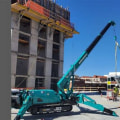
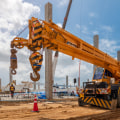
Crane rental services provide a flexible and cost-effective solution for construction and industrial projects that require heavy lifting capabilities.Instead of investing in expensive machinery, businesses can rent cranes tailored to their specific needs, allowing them to allocate resources more efficiently.There are several types of cranes available for rent, each designed for different applications:
- Mobile Cranes: These versatile cranes can be easily transported to various job sites and are ideal for projects requiring quick setup and mobility.
- Tower Cranes: Commonly used in large construction projects, tower cranes offer height and lifting capacity, making them suitable for skyscrapers and large buildings.
- Crawler Cranes: Equipped with tracks instead of wheels, crawler cranes provide stability on uneven terrain, making them perfect for outdoor construction sites.
- Rough Terrain Cranes: Designed for off-road conditions, these cranes can navigate challenging landscapes while providing significant lifting power.
- Cost Savings: Renting eliminates the high upfront costs associated with buying a crane, as well as ongoing maintenance expenses.
- Access to Latest Technology: Rental services often provide access to the latest models equipped with advanced features, enhancing safety and efficiency.
- Flexibility: Businesses can rent cranes for short-term projects or specific tasks, allowing them to scale their operations without long-term commitments.
- Expert Support: Many rental companies offer trained operators and support staff, ensuring that projects run smoothly and safely.
Understanding Local Regulations for Crane Rentals
When considering crane rental services, it is essential to understand the local regulations that govern their use. These regulations can vary significantly from one jurisdiction to another, impacting both the rental process and the operation of cranes on construction sites.Many areas require specific construction permits before a crane can be operated. These permits are designed to ensure safety and compliance with local building codes.It is crucial for contractors and project managers to check with their local government or regulatory body to determine what permits are necessary.In addition to construction permits, there are often crane operation laws that dictate how cranes must be used. These laws may include:
- Operator Certification: Many regions require crane operators to hold specific certifications, ensuring they have the necessary skills and knowledge to operate the equipment safely.
- Site Assessments: Before a crane can be set up, a site assessment may be required to evaluate ground conditions and overhead hazards.
- Insurance Requirements: Some jurisdictions mandate that crane rental companies carry certain levels of insurance, protecting both the operator and the public in case of accidents.
Types of Permits Required for Crane Rental Services
When considering crane rental services, it is essential to understand the various types of permits that may be required to ensure compliance with local regulations.The specific permits can vary significantly depending on the location and the nature of the project. Below are some common types of permits that may be necessary:
- Construction Permits: These are typically required for any construction-related activities, including the use of cranes. A construction permit ensures that the project complies with local building codes and safety regulations. Before renting a crane, it is crucial to check with your local building department to determine if a construction permit is needed.
- Operational Permits: In many jurisdictions, an operational permit is required for the actual use of cranes on job sites.
This permit often involves an inspection of the crane and verification that it meets safety standards. It may also require proof of operator certification.
- Road Use Permits: If the crane will be transported on public roads, a road use permit may be necessary. This permit ensures that the transportation of heavy equipment does not disrupt traffic or violate weight restrictions.
- Site-Specific Permits: Depending on the location, additional site-specific permits may be required, especially if the crane operation could impact nearby structures or utilities. These permits help manage risks associated with working in densely populated or sensitive areas.
Ensuring all required permits are secured not only helps avoid legal issues but also promotes safety on the job site.
Licenses Needed for Crane Operators
When it comes to crane rental services, understanding the licensing requirements for crane operators is crucial for ensuring safety and compliance on job sites. Each state in the U.S. has its own regulations regarding the operation of cranes, and these often include specific licensing requirements that must be met by operators.Crane Operator Licenses
- Most states require crane operators to hold a valid license or certification to operate cranes legally.
- Licenses are typically issued by state agencies or recognized organizations, such as the National Commission for the Certification of Crane Operators (NCCCO).
- Operators may need to pass written exams and practical assessments to demonstrate their competency in crane operation.
Importance of Hiring Certified Professionals
Hiring certified crane operators is essential not only for compliance with local laws but also for ensuring the safety of all personnel on site. Certified operators are trained to handle various types of cranes and understand the complexities involved in lifting heavy loads.
This expertise minimizes the risk of accidents and enhances overall operational efficiency.
Licensing Requirements for Crane Operation
- Operators must be familiar with the specific type of crane they will be operating, as different cranes have different operational requirements.
- In addition to operator licenses, some jurisdictions may require additional permits for specific types of lifts or when operating in congested areas.
- Regular training and recertification may also be mandated to keep skills current and ensure adherence to safety standards.
Regional Variations in Permit and License Requirements
When it comes to crane rental services, understanding the regional variations in permit and license requirements is crucial for compliance and safety. Each state, and often local municipalities, have their own regulations that govern the use of cranes, which can lead to significant differences in what is required.State-Specific Regulations
- California: In California, crane operators must possess a valid operator's license issued by the state. Additionally, local jurisdictions may require specific permits for crane operations, especially in urban areas.
- Texas: Texas has fewer statewide regulations, but many cities, such as Houston and Dallas, have their own permitting processes that must be followed.
It's essential to check local laws before proceeding with a crane rental.
- New York: New York City has stringent regulations requiring a special permit for crane operations, along with a licensed operator. The city’s Department of Buildings oversees these permits to ensure safety standards are met.
Local Licensing Variations
In addition to state regulations, local licensing can vary widely. For instance:
- Some counties may require additional insurance coverage or specific training certifications for operators.
- Certain municipalities might impose restrictions on the times when cranes can operate to minimize disruption in residential areas.
The Importance of Research
Given these variations, it is imperative for businesses and contractors to conduct thorough research on the local laws governing crane rental services. Failing to obtain the necessary permits or licenses can result in hefty fines and project delays.
Consulting with local authorities or a legal expert familiar with construction regulations can help ensure compliance and smooth operation.
Frequently Asked Questions About Crane Rental Permits and Licenses
When considering crane rental services, many individuals and businesses have questions regarding the necessary permits and licenses. Understanding these requirements is crucial to ensure compliance with local regulations and to avoid potential fines.What permits are typically required for crane rentals?
The specific permits required can vary significantly based on your location and the nature of the project. Generally, you may need:- Construction Permits: Often required for any construction-related activities involving cranes.
- Road Use Permits: If the crane will be transported on public roads, a permit may be necessary.
- Site-Specific Permits: Depending on the site, additional permits may be needed, especially in urban areas.
Are licenses required for crane operators?
Yes, in most jurisdictions, crane operators must hold a valid license or certification. This ensures that they have the necessary training and skills to operate cranes safely.The requirements can include:
- National Certification: Many states require operators to be certified by a recognized body, such as the National Commission for the Certification of Crane Operators (NCCCO).
- Local Licenses: Some areas may have additional local licensing requirements that must be met.
What is the permit application process for cranes?
The application process for obtaining permits can vary, but it generally involves the following steps:- Research Local Regulations: Check with your local government or regulatory body to understand specific requirements.
- Prepare Documentation: Gather necessary documents, including project plans and proof of insurance.
- Submit Application: Complete and submit your application along with any required fees.
- Await Approval: The approval process can take time, so it’s advisable to apply well in advance of your project start date.
Conclusion: Ensuring Compliance in Crane Rental Services
In conclusion, understanding the permits and licenses required for utilizing crane rental services is crucial for ensuring compliance with local regulations. Each jurisdiction may have its own set of rules governing the use of cranes, which can vary significantly based on factors such as location, type of project, and the specific equipment being used.Before engaging in any crane rental, it is essential to:- Research Local Regulations: Familiarize yourself with the laws and regulations in your area. This may include zoning laws, safety standards, and operational guidelines.
- Obtain Necessary Permits: Depending on the scope of your project, you may need to apply for various permits. This could include street use permits if the crane will be operating in public spaces.
- Consult with Professionals: Engaging with local authorities or hiring a compliance expert can help navigate the complexities of regulations and ensure that all necessary documentation is in place.
Therefore, it is not only a matter of legal compliance but also a critical aspect of project management that can affect timelines and budgets.Ultimately, taking the time to understand and adhere to the requirements surrounding crane rental services will not only safeguard your project but also contribute to a safer working environment for everyone involved. By prioritizing compliance, you can focus on executing your project efficiently and effectively.