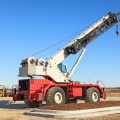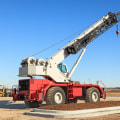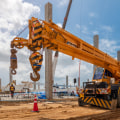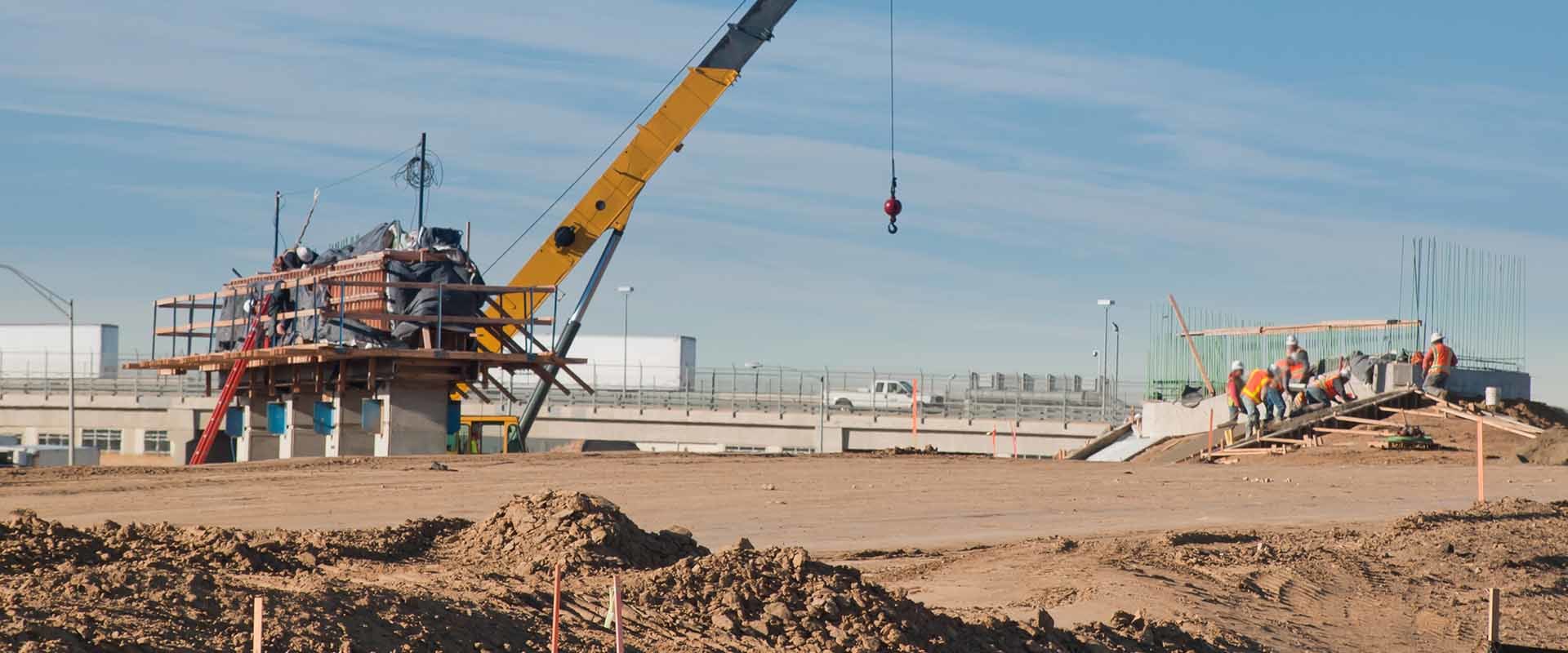
In the construction and heavy lifting industries, crane rental services have become an essential solution for businesses looking to optimize their operations without the hefty investment of purchasing equipment. These services provide access to a variety of cranes tailored to specific project needs, allowing companies to efficiently manage their resources while ensuring safety and compliance with industry standards. But what exactly is crane rental? At its core, it involves leasing cranes for a predetermined period, enabling contractors to tackle projects of varying scales without the burden of long-term ownership. The benefits of crane rental are numerous. First and foremost, it offers flexibility; businesses can select the right type of crane for each job, whether it’s a tower crane for high-rise construction or a mobile crane for more versatile applications.
Additionally, renting cranes can significantly reduce operational costs, as companies only pay for the equipment when they need it. This approach not only conserves capital but also minimizes maintenance responsibilities, as rental companies typically handle upkeep and inspections. As we delve deeper into the topic, it’s crucial to understand that while crane rental services provide many advantages, there are specific site requirements that must be considered to ensure safe and effective operation. These requirements can vary based on the type of crane being rented and the nature of the project at hand. Understanding these factors will help businesses make informed decisions when planning their next lifting project.
Key Site Requirements for Crane Rental
When planning for crane rental services, it is crucial to assess the site where the crane will be operated.Proper site conditions not only ensure the safety of the operation but also enhance efficiency. Here are some key requirements to consider:
- Ground Stability: The ground must be stable and capable of supporting the weight of the crane and its load. Conducting a soil analysis can help determine if any reinforcement is needed.
- Space Availability: Adequate space is essential for crane maneuverability. Ensure there is enough room for the crane to operate without obstruction, including a safe radius around the crane's swing area.
- Access Routes: Clear access routes for transporting the crane to and from the site are necessary.
These routes should be free of overhead obstructions such as power lines and trees.
- Environmental Conditions: Consider environmental factors such as wind speed, weather conditions, and potential hazards like nearby structures or power lines that could affect crane operation.
- Site Layout: A well-planned site layout can significantly impact crane efficiency. Identify where materials will be loaded and unloaded, and ensure that these areas are easily accessible.
Space and Accessibility Considerations
When considering crane rental services, one of the most critical factors to evaluate is the space and accessibility at the job site.Proper planning in this area ensures not only the safety of operations but also the efficiency of the project.
Space Requirements for Cranes
The first step is to assess the space requirements for the crane itself. Different types of cranes, such as tower cranes, mobile cranes, or crawler cranes, have varying space needs. For instance:- Mobile cranes require a clear area for setup and operation, typically needing a radius of at least 50 feet around the crane.
- Tower cranes need a stable base and sufficient height clearance, which may require additional vertical space depending on the lift height.
- Crawler cranes need firm ground to support their weight and may require more extensive space for maneuvering.
Accessibility for Crane Operation
Accessibility is another vital consideration. The crane must have unobstructed access to the site, which includes:- Access routes: Ensure that roads leading to the site can accommodate heavy equipment transport.
- Ground conditions: The ground should be stable enough to support the crane's weight without risk of sinking or tipping.
- Overhead clearance: Check for any overhead obstacles such as power lines or trees that could interfere with crane operation.
Crane Maneuvering Space
Maneuvering space is essential for safe crane operation.Operators need adequate room to position the crane and execute lifts without obstruction. Considerations include:
- Swing radius: The area around the crane where it can swing its load must be free from obstacles.
- Lifting height: Ensure that there is enough vertical clearance for lifting operations, especially in urban environments.
- Emergency access: Maintain clear paths for emergency vehicles and personnel in case of an incident.
Ground Conditions and Stability
When considering crane rental services, one of the most critical factors to evaluate is the ground conditions at the site of operation. The stability of the crane is heavily influenced by the type of soil and its ability to support the weight and movement of the equipment.Ground Conditions
- Soil Type: Different soil types, such as clay, sand, or gravel, have varying load-bearing capacities. For instance, clay can retain water and become unstable when wet, while sandy soils may shift under heavy loads.
- Moisture Content: The moisture level in the soil can significantly affect its stability.
Wet conditions can lead to a decrease in load-bearing capacity, making it essential to assess weather conditions prior to crane operation.
- Compaction: Well-compacted soil provides better support for cranes. Loose or poorly compacted soil can lead to uneven settling and increase the risk of tipping or collapse.
Stability Requirements
- Load Distribution: Cranes must be positioned on stable ground that can evenly distribute their weight. This is crucial for preventing accidents during lifting operations.
- Outriggers: Many cranes are equipped with outriggers that extend to provide additional stability. It’s vital to ensure that these outriggers are placed on solid ground to maximize their effectiveness.
- Site Assessment: Before renting a crane, a thorough site assessment should be conducted.
This includes evaluating the ground conditions and determining if any additional measures, such as matting or shoring, are necessary to enhance stability.
Environmental Factors Affecting Crane Use
When considering crane rental services, it is crucial to evaluate the environmental factors that can significantly impact crane operations. Weather conditions play a pivotal role in determining the safety and efficiency of crane usage on-site.Weather Impact on Crane Rental
- Wind Speed: High winds can pose serious risks, affecting the stability of the crane and the safety of the load being lifted. Most crane rental companies have specific wind speed limits, often around 20-25 mph, beyond which operations should be halted.
- Rain and Snow: Wet conditions can lead to slippery surfaces, increasing the risk of accidents.
Snow accumulation can also add extra weight to the crane and its load, necessitating careful assessment before operation.
- Temperature Extremes: Extremely hot or cold temperatures can affect the mechanical performance of cranes. Cold weather can cause hydraulic fluids to thicken, while high temperatures may lead to overheating issues.
Environmental Safety for Cranes
In addition to weather conditions, other environmental factors must be considered:
- Site Conditions: The ground where the crane will be set up should be stable and capable of supporting its weight. Soft or uneven ground can lead to tipping or sinking.
- Proximity to Power Lines: Cranes must maintain a safe distance from overhead power lines to prevent electrocution hazards. This distance varies based on local regulations and the voltage of the lines.
- Surrounding Environment: The presence of nearby structures, trees, or other obstacles can limit crane maneuverability and increase risks during operation.
Proper planning and adherence to safety guidelines will help mitigate risks associated with adverse weather conditions and site-specific challenges.
Local Regulations and Permits
When considering crane rental services, it is crucial to understand the local regulations and permits that govern crane operations. Each municipality may have its own set of rules, which can significantly impact the rental process and the overall project timeline.Understanding Local Regulations
- Local laws often dictate where cranes can be operated, including restrictions on proximity to residential areas, schools, and hospitals.
- Some regions may require specific safety measures to be in place, such as barriers or signage to protect pedestrians and vehicles.
- Compliance with zoning laws is essential; certain areas may not permit heavy machinery due to environmental concerns or urban planning regulations.
Permits for Crane Operation
- Before a crane can be used, operators typically need to obtain a permit from the local government or relevant authority. This process may involve submitting detailed plans that outline the intended use of the crane.
- Permits often require proof of insurance and may necessitate inspections to ensure that the crane meets safety standards.
- In some cases, a traffic control plan may be required if the crane operation affects public roadways.
Consequences of Non-Compliance
Failing to adhere to local regulations and obtain the necessary permits can lead to significant legal issues, including fines and project delays. It is advisable to consult with local authorities or a legal expert familiar with crane rental regulations in your area to ensure full compliance.In summary, understanding and navigating the local regulations and permit requirements is essential for a successful crane rental experience.
This diligence not only ensures legal compliance but also promotes safety on the job site.
Safety Protocols and Best Practices
When utilizing crane rental services, adhering to established safety protocols is paramount to ensure the safety of all personnel involved in the operation. These protocols not only protect workers but also help in maintaining compliance with local regulations and industry standards.Essential Safety Protocols
- Pre-Operation Inspections: Before any crane is put into operation, a thorough inspection should be conducted. This includes checking the crane's mechanical systems, load limits, and safety devices.
- Operator Training: Only certified operators should handle cranes. Proper training ensures that operators are familiar with the equipment and can respond effectively to emergencies.
- Site Assessment: Conducting a comprehensive site assessment is crucial.
This involves evaluating ground conditions, overhead obstructions, and proximity to power lines.
- Load Management: Understanding the weight and balance of loads is essential. Operators must adhere to the crane's load chart and never exceed its rated capacity.
Best Practices for Crane Operation
- Communication: Establish clear communication protocols among team members. Use hand signals or radios to ensure everyone is aware of the crane's movements.
- Weather Considerations: Monitor weather conditions closely. High winds, rain, or lightning can significantly impact crane operations and should be taken into account before proceeding.
- Emergency Procedures: Develop and communicate emergency procedures in advance.
All personnel should know how to respond in case of an accident or equipment failure.
Frequently Asked Questions about Crane Rental Services
When considering crane rental services, it's essential to understand the specific requirements of the site where the crane will be utilized. These requirements can significantly impact the safety and efficiency of the operation.Site Conditions
The first aspect to evaluate is the site conditions. This includes:- Ground Stability: The ground must be stable enough to support the weight of the crane and its load.
Soft or uneven ground may require additional measures, such as mats or plates, to distribute weight.
- Access Routes: Ensure that there are clear access routes for the crane to reach the site. This includes checking for overhead obstructions like power lines and ensuring that roads are wide enough for transport.
- Space Availability: Adequate space is necessary not only for the crane itself but also for maneuvering and operating it safely. Consideration should be given to the swing radius of the crane's boom.
Permits and Regulations
Before renting a crane, it's crucial to check local regulations and obtain any necessary permits. This may include:- Construction Permits: Depending on your location, you may need specific permits for crane operations, especially in urban areas.
- Traffic Control Plans: If the crane operation affects public roads, a traffic control plan may be required to ensure safety.
Safety Considerations
Safety is paramount when using cranes.Ensure that:
- Qualified Operators: Only trained and certified operators should handle the crane.
- Inspection Requirements: The crane should be inspected before use to ensure it meets safety standards.
Conclusion: Ensuring a Successful Crane Rental Experience
In conclusion, understanding the specific requirements for the site where crane rental services will be utilized is crucial for ensuring a smooth and efficient operation. The success of a crane rental hinges on several key factors that must be carefully considered before the equipment arrives on-site. First and foremost, it is essential to assess the site conditions. This includes evaluating the ground stability, overhead clearance, and proximity to power lines. A thorough site inspection can help identify potential hazards and ensure that the crane can operate safely and effectively. Additionally, proper accessibility to the site is vital.The crane must be able to reach its designated work area without obstruction. This may involve planning for road access, weight limits on nearby bridges, and ensuring that there is enough space for the crane to maneuver. Furthermore, understanding local regulations and obtaining necessary permits cannot be overlooked. Different jurisdictions may have specific rules regarding crane operations, including noise restrictions and safety protocols. Compliance with these regulations not only ensures legal operation but also enhances safety for all personnel involved. Lastly, effective communication with the rental service provider is essential.
Discussing site requirements in detail allows for tailored solutions that meet both operational needs and safety standards. By addressing these factors proactively, you can significantly enhance the likelihood of a successful crane rental experience. In summary, by focusing on site conditions, accessibility, regulatory compliance, and clear communication with your rental service provider, you can ensure that your crane rental process is efficient and safe.