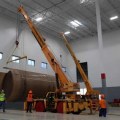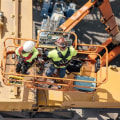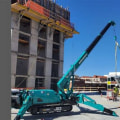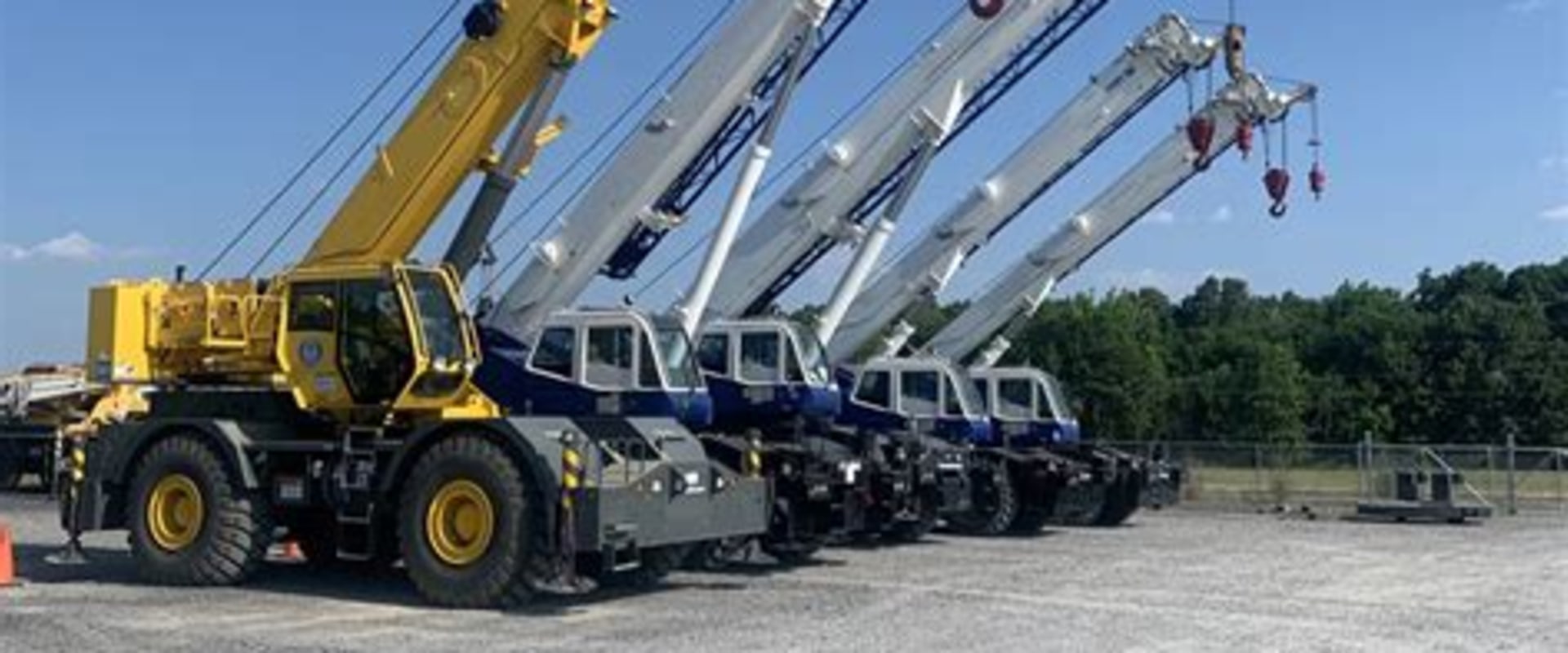
In today's fast-paced construction and industrial environments, crane rental services have become an essential component for successful project execution. These services provide access to a wide range of cranes, enabling businesses to tackle heavy lifting tasks efficiently and safely. Whether it's a small-scale renovation or a large infrastructure project, the ability to rent cranes allows companies to optimize their operations without the significant financial burden of purchasing and maintaining expensive equipment. The importance of crane rentals extends beyond just the equipment itself; it encompasses the expertise and support that come with it. Rental companies often provide trained operators and maintenance services, ensuring that projects run smoothly and adhere to safety regulations.
This not only enhances productivity but also minimizes the risk of accidents on site, making crane rental an attractive option for many industries, including construction, manufacturing, and logistics. As we delve deeper into the topic, understanding the service area for crane rentals is crucial. Different regions may have varying availability of crane types and rental services, influenced by local demand and infrastructure needs. Knowing where these services are offered can help businesses make informed decisions about their lifting solutions, ensuring they choose a provider that meets their specific requirements.
What Are Crane Rental Services?
Crane rental services provide businesses and contractors with access to a variety of cranes without the need for a significant capital investment. These services are essential for construction, manufacturing, and other industries that require heavy lifting capabilities.By renting cranes, companies can efficiently manage their projects while minimizing costs associated with purchasing and maintaining equipment.
Types of Cranes for Rent
There are several types of cranes available for rent, each designed for specific tasks:- Mobile Cranes: Versatile and easy to transport, mobile cranes can be used in various locations and are ideal for construction sites.
- Tower Cranes: Commonly used in tall building construction, tower cranes provide height and lifting capacity, making them essential for skyscrapers.
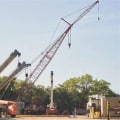
- Crawler Cranes: Equipped with tracks instead of wheels, crawler cranes offer stability on uneven terrain, making them suitable for heavy lifting in challenging environments.
- Rough Terrain Cranes: Designed for off-road conditions, these cranes can navigate rough surfaces while providing excellent lifting capabilities.
Benefits of Crane Rentals
Utilizing crane rental services offers numerous advantages:- Cost-Effective: Renting eliminates the high upfront costs associated with purchasing cranes, allowing businesses to allocate funds to other critical areas.
- Flexibility: Companies can choose the right crane for each project without being tied to a single piece of equipment.
- Maintenance-Free: Rental services typically include maintenance and support, ensuring that the equipment is always in optimal working condition.
- Access to Latest Technology: Renting allows businesses to use the latest crane models equipped with advanced technology without the burden of ownership.
Factors Influencing Service Areas for Crane Rentals
When considering crane rental services, several key factors influence the geographical service areas that companies can effectively cover. Understanding these factors is essential for both service providers and clients seeking to optimize their project logistics.Geographic Considerations
The physical location of a crane rental company plays a significant role in determining its service area. Companies located near urban centers often have a broader reach due to higher demand from construction projects, while those in rural areas may have limited clientele. Additionally, the availability of transportation routes and infrastructure can impact how quickly and efficiently cranes can be deployed to job sites.Industry Demands
Different industries have varying needs for crane rental services.For instance, the construction sector may require cranes for high-rise buildings, while the shipping industry might need them for loading and unloading cargo. Seasonal demands also affect service areas; for example, construction projects may peak during warmer months, prompting rental companies to expand their reach temporarily.
Regulatory Factors
Local regulations and zoning laws can also dictate where crane rental services can operate. Some regions may have strict guidelines regarding crane operations, which can limit the areas where companies are willing or able to provide services. Understanding these regulations is crucial for both crane rental businesses and their clients to ensure compliance and avoid potential legal issues.Market Competition
The level of competition in a given area can influence a crane rental company's decision to expand or restrict its service area.In highly competitive markets, companies may focus on niche services or specialized equipment to differentiate themselves, while in less competitive regions, they might broaden their offerings to capture more clients.In summary, the service area for crane rental services is shaped by a combination of geographic considerations, industry demands, regulatory factors, and market competition. By understanding these elements, both providers and clients can make informed decisions that enhance operational efficiency and project success.
Common Service Areas for Crane Rentals
When considering crane rental services, it's essential to understand the common service areas where these services are available. The availability of cranes can vary significantly between urban and rural locations, influenced by factors such as population density, infrastructure, and project demands.Urban Service Areas
In urban environments, crane rental services are typically more accessible due to the higher concentration of construction projects and commercial developments. Major cities often have specialized providers that cater to:- High-rise construction: Cranes are essential for erecting skyscrapers and large commercial buildings.
- Infrastructure projects: Urban areas frequently require cranes for roadwork, bridges, and public transportation systems.
- Event setups: Temporary structures for concerts, festivals, and exhibitions often necessitate crane rentals.
Rural Service Areas
In contrast, rural areas may have limited access to crane rental services, but this does not mean they are unavailable.Rural service areas often focus on:
- Agricultural projects: Cranes can assist in the construction of barns, silos, and other agricultural structures.
- Residential developments: Smaller cranes are often used for home building and renovations in less populated regions.
- Energy sector projects: Wind farms and solar installations in rural areas frequently require crane services for equipment installation.
How to Determine Your Service Area for Crane Rentals
Determining your service area for crane rentals is crucial for optimizing your business operations and meeting client needs effectively. Here are some key steps to help you assess your service area:Assessing Local Demand
Start by evaluating the demand for crane rental services in your region. Consider the following:- Market Research: Conduct surveys or analyze industry reports to understand the construction and industrial activities in your area.
- Competitor Analysis: Identify other crane rental companies nearby and assess their service areas.
This can provide insights into potential gaps in the market.
- Client Feedback: Engage with existing clients to gather information on their project locations and needs, which can help you identify high-demand areas.
Logistics Considerations
Once you have a grasp of local demand, consider the logistical aspects of your service area:- Transportation Routes: Evaluate the accessibility of major highways and roads that connect your base of operations to potential job sites. Efficient transport routes can significantly reduce response times.
- Regulatory Factors: Be aware of local regulations regarding crane operations, including permits and zoning laws, which may affect where you can operate.
- Equipment Availability: Ensure that you have enough equipment to meet demand within your chosen service area without overextending your resources.
Frequently Asked Questions About Crane Rental Services
When considering crane rental services, many potential clients have questions regarding the specifics of service areas and operational capabilities. Below are some frequently asked questions that can help clarify these aspects.- What areas do you serve for crane rentals?
Our crane rental services extend across a wide range of locations, including urban and rural areas.We primarily operate in [insert specific regions or states], but we can accommodate requests for projects outside our standard service area depending on availability and logistics.
- Do you offer services in remote locations?
Yes, we understand that construction and industrial projects can occur in remote areas. We assess each request individually to determine the feasibility of providing crane rental services in such locations, taking into account transportation and setup requirements. - How do I know if my location is within your service area?
To find out if your location falls within our service area, you can contact us directly or use our online service area map available on our website. Our team is always ready to assist you with any inquiries. - What factors influence your service area?
Several factors can influence our service area, including:- Distance from our base of operations
- Availability of equipment
- Logistical considerations such as road access and local regulations
- Can I rent a crane for a short-term project?
Absolutely! We offer flexible rental options, including short-term rentals for projects that require cranes for a limited duration. Our team can help you choose the right equipment based on your project needs.
We are here to help ensure your project runs smoothly and efficiently.
Conclusion: The Importance of Understanding Your Service Area in Crane Rentals
In conclusion, understanding your service area is crucial when it comes to crane rental services. It not only affects the availability of equipment but also impacts the overall efficiency and cost-effectiveness of your project. By clearly defining your service area, you can ensure that you are working with a rental company that can meet your specific needs in a timely manner.Here are some key takeaways regarding the importance of knowing your service area:- Accessibility: Knowing the geographical limits of your crane rental services helps in planning logistics effectively. This ensures that cranes arrive on-site when needed, minimizing downtime.
- Cost Management: Understanding your service area can help avoid unexpected transportation fees.
Rental companies often charge extra for long-distance deliveries, so being aware of these costs can aid in budgeting.
- Compliance and Regulations: Different regions may have specific regulations regarding crane operations. Familiarity with these local laws ensures compliance and reduces the risk of legal issues.
- Equipment Availability: Some areas may have limited access to certain types of cranes. Knowing your service area allows you to choose a rental company that has the right equipment readily available.