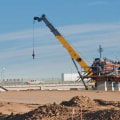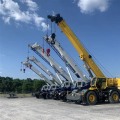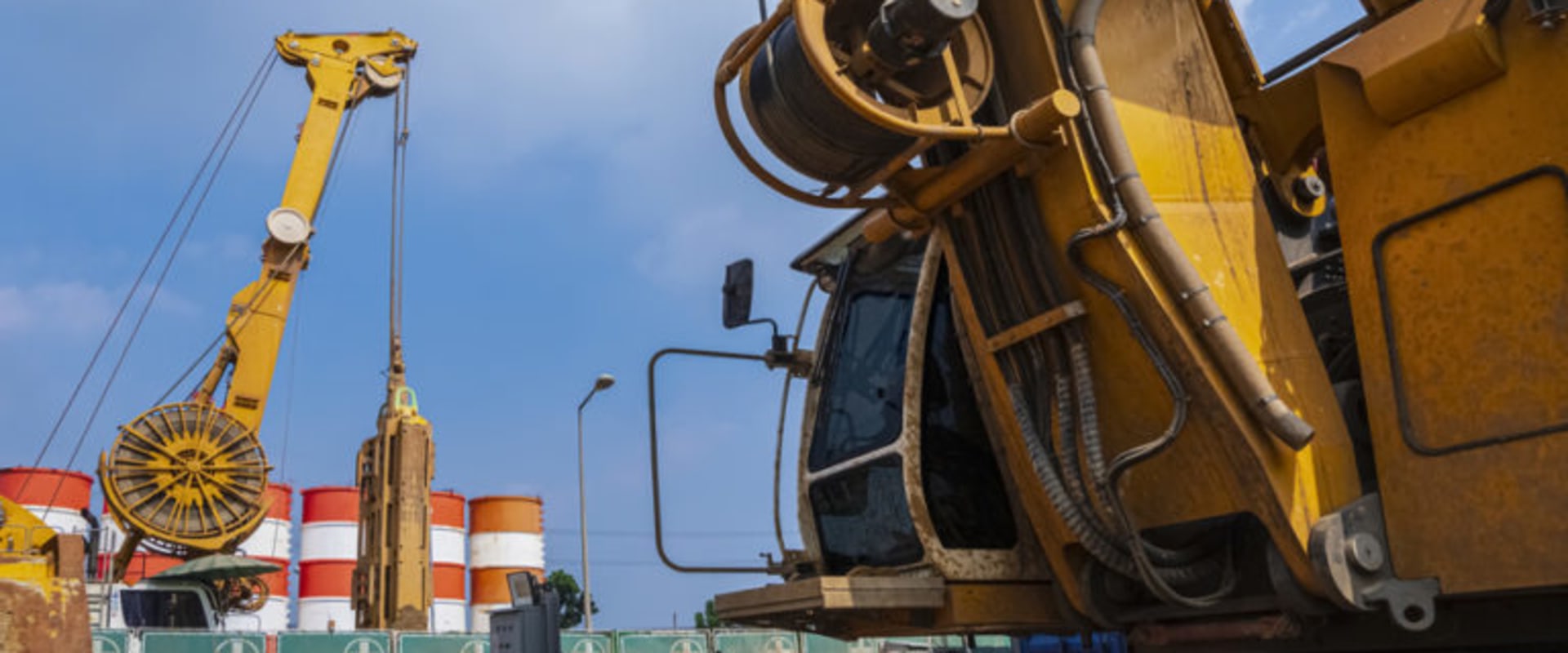
When it comes to large-scale construction projects, crane rental services play a pivotal role in ensuring efficiency and safety. These services provide access to a variety of cranes that are essential for lifting heavy materials, moving equipment, and facilitating complex operations at height. Understanding the nuances of crane rental is crucial for project managers and contractors alike, as it allows them to select the right equipment tailored to their specific needs. There are several types of cranes available for rent, each designed for different applications. For instance, mobile cranes are versatile and can be easily transported to various job sites, making them ideal for projects that require flexibility.
On the other hand, tower cranes are commonly used in urban construction due to their ability to reach great heights and lift heavy loads with precision. Additionally, crawler cranes offer stability on uneven terrain, while rough terrain cranes are perfect for off-road conditions. Understanding these options is essential for making informed decisions about which crane best suits your project requirements. The process of renting a crane involves not just selecting the right type but also understanding the terms of service, including rental duration and return policies. As you navigate through the world of crane rentals, being well-informed about the available services and equipment will set the foundation for a successful project execution.
Preparing for Crane Return: Key Considerations
Returning a rented crane involves several critical steps to ensure that the equipment is in good condition and compliant with the crane rental services agreement.Proper preparation not only facilitates a smooth return process but also helps avoid potential penalties or additional charges.
Preparing the Crane for Return
Before returning the crane, it is essential to conduct a thorough inspection and maintenance check. This includes:- Cleaning the Crane: Remove any debris, dirt, or materials that may have accumulated during the rental period. A clean crane is easier to inspect and demonstrates responsibility.
- Checking Fluid Levels: Ensure that hydraulic fluids, oil, and fuel are at appropriate levels. Topping off these fluids can prevent additional charges for low levels upon return.
- Inspecting Safety Features: Verify that all safety features, such as emergency brakes and alarms, are functioning correctly.
This is crucial for compliance with safety regulations.
Crane Rental Return Checklist
A comprehensive checklist can help streamline the return process. Consider including the following items:- Complete cleaning of the crane.
- Inspection of all mechanical components.
- Verification of fluid levels and topping off as necessary.
- Documentation of any damages or issues encountered during the rental period.
- Gathering all rental paperwork and receipts for reference.
Crane Maintenance Before Return
Performing maintenance before returning the crane is not just about compliance; it reflects your commitment to responsible equipment use. If any issues are identified during your inspection, address them promptly. This may involve contacting your crane rental services provider for assistance or repairs.Keeping an open line of communication can also help clarify any concerns regarding potential charges for damages or maintenance needs.By following these guidelines and preparing adequately for the return of your rented crane, you can ensure a hassle-free experience while maintaining a positive relationship with your crane rental services provider.
The Crane Return Process: Step-by-Step Guide
Returning a crane after your rental period is crucial to ensure a smooth transition and avoid any additional charges. Here’s a step-by-step guide to help you navigate the crane return process.- Review Your Rental Agreement: Before initiating the return, revisit your rental agreement. This document outlines the terms of the rental, including the return date, condition requirements, and any potential fees for late returns.
- Inspect the Crane: Conduct a thorough inspection of the crane to ensure it is in the same condition as when you received it. Look for any damages or issues that may have arisen during your rental period.
Document any discrepancies with photos and notes.
- Clean the Equipment: Clean the crane to remove any debris or materials accumulated during use. A clean crane not only meets rental requirements but also helps in avoiding additional cleaning fees.
- Prepare Documentation: Gather all necessary documentation for the return process. This typically includes:
- The original rental agreement
- Inspection reports (if applicable)
- Any additional paperwork required by the rental service
- Contact Your Rental Service: Reach out to your crane rental services provider to inform them of your intent to return the crane. Confirm the return location and time, and ask if there are any specific procedures you need to follow.
- Return the Crane: On the agreed date, transport the crane back to the designated location.
Ensure that you arrive on time to avoid any late fees. If you’re using a transport service, confirm their arrival time as well.
- Complete Final Inspection: Upon arrival, a representative from the rental service will likely conduct a final inspection of the crane. Be present during this process to address any concerns immediately.
- Finalize Paperwork: After inspection, complete any remaining paperwork required for the return. Ensure you receive a copy of this documentation for your records.
Common Issues During Crane Returns and How to Avoid Them
Returning a crane after the rental period can sometimes be fraught with challenges.Understanding these common issues can help you avoid unnecessary complications and ensure a smooth return process.
1.Damage Assessment
One of the most significant problems during crane returns is the assessment of damage. Before returning the crane, conduct a thorough inspection to identify any potential issues. Document any pre-existing damage with photographs and notes. This will help you avoid disputes with the rental company regarding responsibility for damages.2.Cleaning Requirements
Many crane rental services have specific cleaning requirements before returning equipment.Failing to meet these standards can result in additional fees. To avoid this:
- Review the rental agreement for cleaning guidelines.
- Schedule time for cleaning before the return date.
- Use appropriate cleaning materials to avoid damaging the crane.
3.Timely Returns
Late returns can incur extra charges and disrupt your project timeline. To prevent this:- Plan your return well in advance, considering transportation logistics.
- Communicate with your rental service about any potential delays.
- Confirm the return schedule and location to avoid confusion.
4.Documentation
Ensure that all necessary documentation is completed and submitted at the time of return. This includes:- The original rental agreement.
- A return receipt or confirmation from the rental service.
- Any inspection reports if applicable.
FAQs About Crane Rental Returns
When it comes to crane rental services, understanding the return process is crucial for a smooth experience.Here are some frequently asked questions that can help clarify common concerns about returning cranes.
What should I do before returning the crane?
Before returning the crane, ensure that:- The crane is clean and free of debris.
- All accessories and attachments are accounted for.
- You have documented any damages or issues that occurred during the rental period.
How do I schedule a return?
To schedule a return, contact your crane rental service provider at least 24 hours in advance. They will provide you with specific instructions on where and when to return the equipment.What if the crane is damaged?
If you notice any damage to the crane, report it immediately to your rental provider. Most companies have policies in place for handling damages, which may include:- Assessing repair costs.
- Determining if the damage falls under your responsibility.
Are there any late fees for returning the crane?
Yes, most crane rental services impose late fees if the equipment is not returned on time. It’s essential to adhere to the agreed-upon return date to avoid additional charges.What happens if I lose an accessory or part?
If you lose any accessories or parts during your rental period, inform your rental company as soon as possible.They will guide you on how to proceed, which may involve replacement costs or fees.By addressing these common questions, you can ensure a hassle-free return process and maintain a good relationship with your crane rental service.
Conclusion: Ensuring a Smooth Crane Return Experience
Returning a crane after the rental period is crucial for maintaining a good relationship with your crane rental services provider and ensuring that you avoid any additional fees or penalties. By following the outlined steps, you can facilitate a smooth return process. First and foremost, it is essential to review the rental agreement. This document typically contains specific instructions regarding the return process, including deadlines and condition requirements. Adhering to these guidelines will help you avoid misunderstandings.Preparation for Return
Before the return date, take the time to prepare the crane:- Inspect the Crane: Conduct a thorough inspection to identify any damages or issues that may have occurred during your rental period.
Document these findings with photographs.
- Clean the Equipment: Ensure that the crane is clean and free of debris. A well-maintained appearance can positively influence the assessment by the rental company.
- Gather Documentation: Collect all relevant paperwork, including maintenance logs and inspection reports, to present during the return process.
Return Process
On the day of return, follow these steps:- Schedule a Return Appointment: Contact your crane rental services provider to schedule a return time. This ensures that someone will be available to inspect the crane upon its arrival.
- Transport Safely: If you are responsible for transporting the crane back, ensure it is loaded and secured properly to prevent any damage during transit.
- Conduct a Joint Inspection: Upon arrival, walk through the crane with a representative from the rental company. This joint inspection helps clarify any concerns regarding damages or maintenance issues.
By preparing adequately and following these steps, you can ensure a hassle-free return experience with your crane rental services.