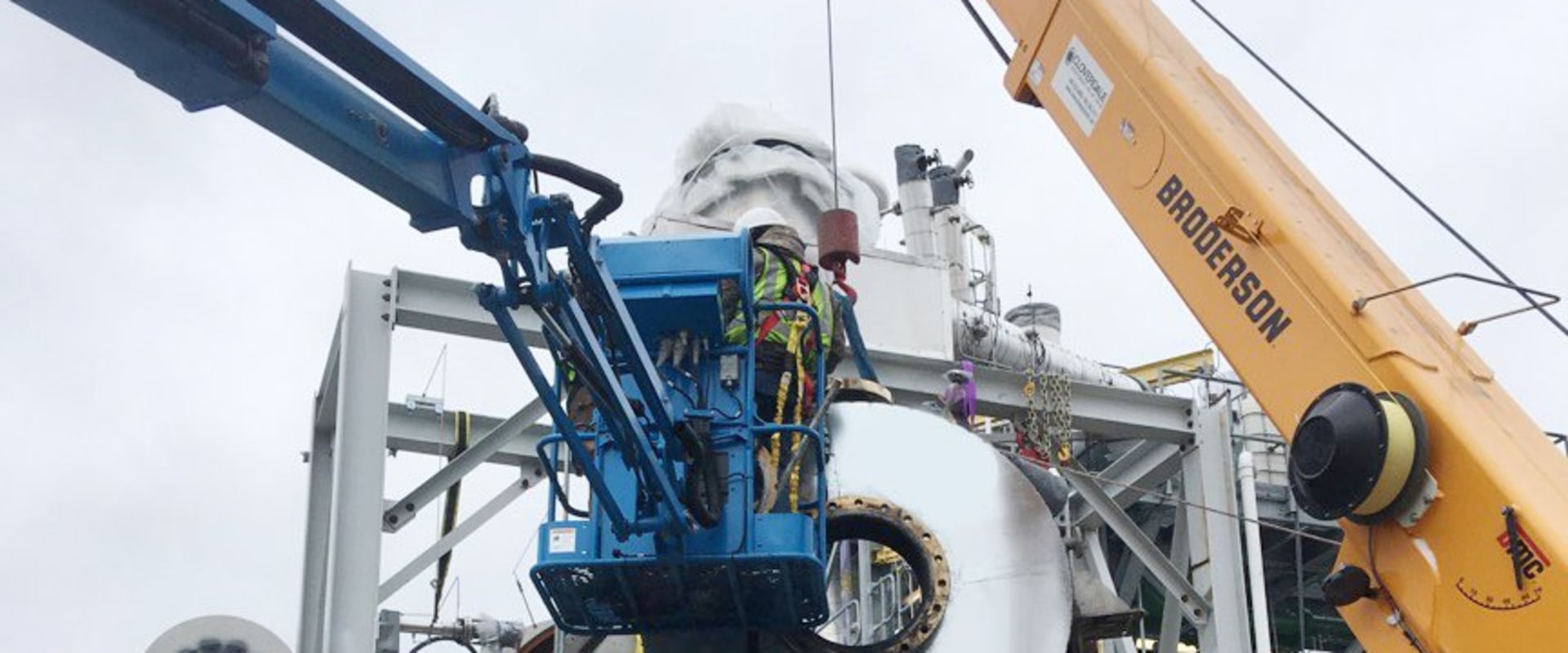
In the realm of construction and heavy lifting, crane rental services play a pivotal role, providing essential equipment that enables projects to progress efficiently and safely. Whether it’s for erecting skyscrapers, lifting heavy machinery, or facilitating large-scale events, cranes are indispensable tools that help streamline operations across various industries. However, while the benefits of renting cranes are clear, it is equally important to understand the restrictions that may apply to their use. Each rental service comes with its own set of guidelines and regulations that dictate where and how cranes can be utilized. These crane usage guidelines are often influenced by factors such as local zoning laws, safety regulations, and environmental considerations.
For instance, certain urban areas may impose restrictions on crane operations during specific hours to minimize noise pollution or traffic disruptions. Additionally, proximity to power lines or other infrastructure can also limit where cranes can be safely deployed. Understanding these restrictions is crucial for anyone considering crane rental services. Not only do they ensure compliance with legal requirements, but they also enhance safety for workers and the surrounding community. As we delve deeper into this topic, we will explore the various types of restrictions that may affect crane rentals and provide insights on how to navigate these challenges effectively.
Types of Cranes Available for Rental
When considering crane rental services, it’s essential to understand the various types of cranes available, as each type serves specific purposes and has unique capabilities.This knowledge not only aids in selecting the right crane for your project but also helps identify any potential restrictions based on the crane's operational limits.
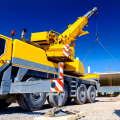
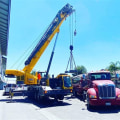
- Mobile Cranes: These versatile cranes are mounted on wheeled vehicles, allowing for easy transportation and setup. They are ideal for construction sites with limited space and can navigate rough terrain. However, their lifting capacity may be restricted by the ground conditions.
- Tower Cranes: Commonly used in large construction projects, tower cranes provide height and stability. They are fixed to the ground and can lift heavy materials vertically.
Restrictions may apply regarding their installation location, as they require a solid foundation and sufficient clearance around them.
- Crawler Cranes: Equipped with tracks instead of wheels, crawler cranes offer excellent stability and can operate on uneven surfaces. Their size and weight can limit where they can be used, particularly in urban areas with weight restrictions on roads.
- Rough Terrain Cranes: Designed for off-road applications, these cranes have large tires and a robust build. They are perfect for construction sites that are not easily accessible but may face restrictions in terms of load capacity depending on the ground conditions.
- Overhead Cranes: Often found in warehouses and manufacturing facilities, overhead cranes are used for lifting heavy loads within a defined area. Their use is typically restricted to indoor environments or specific outdoor setups where overhead clearance is guaranteed.
Each crane comes with its own set of operational guidelines and limitations that can affect where it can be effectively utilized. Always consult with your crane rental service provider to ensure compliance with local regulations and site-specific requirements.
Common Restrictions on Crane Usage
When considering crane rental services, it is essential to understand the common restrictions that may apply to crane usage. These limitations can stem from legal, safety, and operational factors that ensure both compliance and safety on job sites.Legal Restrictions
Many jurisdictions impose specific legal restrictions on crane operations. These can include:- Permitting Requirements: Certain areas may require permits for crane operation, especially in urban settings where public safety is a concern.
- Height Restrictions: Local laws may dictate maximum heights for cranes, particularly near airports or in densely populated areas.
- Noise Ordinances: Regulations may limit the hours during which cranes can operate to minimize noise pollution.
Safety Limitations
Safety is paramount in crane operations, and various restrictions are in place to protect workers and the public.These include:
- Load Capacity: Each crane has a specified load capacity that must not be exceeded to prevent accidents.
- Weather Conditions: Cranes may not be operated during adverse weather conditions such as high winds, heavy rain, or lightning.
- Proximity to Power Lines: Safety regulations often require maintaining a safe distance from power lines to avoid electrocution hazards.
Operational Limitations
In addition to legal and safety restrictions, there are operational limitations that affect how cranes can be used:- Site Conditions: The ground conditions at the job site must be suitable for crane operation; unstable or uneven ground can pose significant risks.
- Access Routes: The routes used to transport cranes to and from the site must be accessible and capable of supporting the weight of the equipment.
- Time Constraints: Rental agreements may specify time limits for crane usage, impacting project scheduling.
Geographical Limitations for Crane Rentals
When considering crane rental services, it is essential to understand that geographical limitations can significantly impact where these machines can be utilized. Various factors, including local laws, environmental regulations, and site-specific conditions, play a crucial role in determining the feasibility of crane operations in a given area.Local Laws and Regulations
Many regions have specific regulations governing the use of heavy machinery like cranes. These laws can vary widely from one municipality to another and may include:- Permitting Requirements: Some areas require permits for crane operations, especially in densely populated urban settings.
- Noise Restrictions: Local ordinances may limit the hours during which cranes can operate to minimize noise pollution.
- Height Restrictions: In certain locations, there may be restrictions on how high cranes can extend, particularly near airports or other sensitive areas.
Environmental Considerations
Environmental factors also impose limitations on crane usage.For instance:
- Protected Areas: Cranes cannot be used in designated wildlife reserves or protected lands without special permissions.
- Soil Stability: The ground conditions must be assessed to ensure they can support the weight of the crane and its load, particularly in areas prone to flooding or erosion.
Safety Regulations Impacting Crane Rentals
When it comes to crane rental services, understanding the safety regulations that govern their use is crucial for both operators and project managers. Compliance with these regulations not only ensures the safety of personnel but also protects the integrity of the equipment and the surrounding environment.One of the primary regulatory bodies overseeing crane operations in the United States is the Occupational Safety and Health Administration (OSHA).OSHA has established a set of guidelines that dictate how cranes should be operated, maintained, and inspected. These guidelines are designed to minimize risks associated with crane operations, including accidents and injuries.
Key OSHA Guidelines for Crane Rentals
- Operator Certification: All crane operators must be certified according to OSHA standards. This certification ensures that operators have the necessary skills and knowledge to operate cranes safely.
- Regular Inspections: Cranes must undergo regular inspections to ensure they are in safe working condition. This includes daily checks before use and more comprehensive inspections at specified intervals.
- Load Limits: Operators must adhere to load limits specified by the manufacturer.
Overloading a crane can lead to catastrophic failures.
- Site Safety Plans: A detailed safety plan must be developed for each job site, outlining potential hazards and safety measures to mitigate risks.
Permits and Licensing Requirements for Crane Use
When considering crane rental services, understanding the necessary permits and licensing requirements is crucial for compliance and safety.Each state and municipality may have different regulations governing the use of cranes, which can significantly impact where and how these machines can be operated.
Permits for Crane Operation
- Local Permits: Many cities require specific permits for crane operation, especially in urban areas where public safety is a concern. These permits often involve submitting detailed plans that outline the crane's intended use, location, and duration of operation.
- State Regulations: States may have overarching regulations that dictate the use of cranes, including safety standards and operational guidelines. It’s essential to check with state authorities to ensure compliance.
- Site-Specific Permits: Depending on the job site, additional permits may be required. For example, if the crane will be used near power lines or in environmentally sensitive areas, special permissions may be necessary.
Licensing for Crane Operators
- Operator Certification: In most jurisdictions, crane operators must hold a valid certification from an accredited organization.
This certification ensures that operators are trained in safe practices and understand the complexities of crane operation.
- Employer Responsibilities: Companies renting cranes must ensure that their operators are properly licensed. Failure to do so can result in legal penalties and increased liability in case of accidents.
The Importance of Compliance
Adhering to legal permits for cranes is not just about avoiding fines; it’s also about ensuring the safety of workers and the public. Non-compliance can lead to serious accidents, legal repercussions, and damage to a company’s reputation. Therefore, before engaging in any crane rental services, it is imperative to conduct thorough research on local regulations and secure all necessary permits and licenses.
Frequently Asked Questions About Crane Rental Restrictions
When considering crane rental services, it's essential to understand the various restrictions that may apply to their use.Here are some common questions and answers regarding these limitations:
- What types of locations can cranes be used in?
Cranes can typically be used in a variety of locations, including construction sites, industrial areas, and even residential zones. However, local regulations may impose specific restrictions based on zoning laws or safety concerns. - Are there height restrictions for crane operations?
Yes, many municipalities have height restrictions for cranes, especially in urban areas where they may interfere with air traffic or nearby structures. Always check with local authorities before planning your crane operations. - Do I need permits for crane rental?
In most cases, yes. Depending on the location and the scope of your project, you may need to obtain permits before using a crane.This is particularly true for public roadways or areas with heavy pedestrian traffic.
- Can cranes be used in adverse weather conditions?
Safety is paramount when operating cranes. Most rental services will have guidelines regarding weather conditions. High winds, rain, or snow can significantly impact crane operations and may lead to restrictions on usage. - What about noise restrictions?
Some areas have noise ordinances that limit the hours during which cranes can operate. Be sure to check local regulations to avoid fines or complaints from neighbors.
Always consult with your rental service provider for specific guidelines related to your location and project requirements.
Conclusion: Key Takeaways on Crane Rental Restrictions
In conclusion, understanding the restrictions on crane rental services is crucial for ensuring both safety and compliance in various operational environments. Here are the key takeaways regarding these limitations:- Location Restrictions: Many rental companies impose specific geographical limitations on where their cranes can be operated. This may include restrictions based on local regulations, zoning laws, or environmental considerations.
- Site Conditions: The physical conditions of the job site can also dictate crane usage. Factors such as ground stability, overhead obstructions, and proximity to power lines must be assessed to determine if a crane can be safely deployed.
- Permitting Requirements: Certain areas may require special permits for crane operations, especially in urban settings or near sensitive infrastructure.
It is essential to verify whether these permits are needed before proceeding with a rental.
- Insurance and Liability: Rental agreements often come with stipulations regarding insurance coverage. Operators must ensure they meet the insurance requirements set forth by the rental company to avoid liability issues.
- Operator Qualifications: Many rental services require that operators possess specific certifications or qualifications. This ensures that the crane is operated safely and in accordance with industry standards.