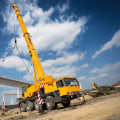
In the construction and heavy lifting industries, crane rental services have become an essential resource for businesses looking to optimize their operations. These services provide access to a variety of cranes without the need for significant capital investment in equipment. By renting cranes, companies can efficiently manage their projects, ensuring that they have the right machinery for specific tasks while also minimizing maintenance costs and storage concerns. Understanding what crane rental services entail is crucial for any business involved in construction, logistics, or any field requiring heavy lifting. Typically, these services offer a range of crane types, including mobile cranes, tower cranes, and rough terrain cranes, each designed for different applications.
This flexibility allows businesses to select the most suitable equipment based on their project requirements, enhancing productivity and safety on job sites. The benefits of utilizing crane rental services extend beyond just cost savings. Renting cranes can lead to improved project timelines, as companies can quickly acquire the necessary equipment without lengthy procurement processes. Additionally, many rental companies provide expert support and maintenance services, ensuring that the cranes are in optimal working condition. This not only boosts efficiency but also significantly reduces the risk of accidents and equipment failure during critical operations.
Importance of Safety in Crane Operations
When it comes to crane rental services, understanding the importance of safety in crane operations cannot be overstated.Cranes are powerful machines that can lift and move heavy loads, but with this capability comes significant risks. The potential for accidents is high if proper safety measures are not implemented.
Crane operation risks
include equipment failure, operator error, and environmental hazards. Each of these factors can lead to serious injuries or even fatalities. For instance, a crane tipping over due to improper setup or overloading can have catastrophic consequences.Therefore, it is crucial for both operators and those involved in the project to be aware of these risks.To mitigate these risks, several safety precautions should be taken:
- Training and Certification: Operators must undergo rigorous training and obtain certification to ensure they are knowledgeable about crane operations and safety protocols.
- Regular Inspections: Cranes should be inspected regularly to identify any mechanical issues that could lead to failure during operation.
- Site Assessment: Conducting a thorough assessment of the worksite is essential to identify potential hazards such as overhead power lines or unstable ground conditions.
- Use of Personal Protective Equipment (PPE): All personnel involved in crane operations should wear appropriate PPE, including hard hats, gloves, and safety shoes.
Safety Precautions When Using Crane Rental Services
When utilizing crane rental services, ensuring safety is paramount.Proper precautions not only protect the operators but also safeguard the surrounding environment and personnel. Here are essential safety measures to consider:
- Site Assessment: Before any crane operation, conduct a thorough site assessment. This includes evaluating ground conditions, overhead obstructions, and proximity to power lines. A clear understanding of the site helps in planning safe crane operations.
- Equipment Inspection: Always perform a pre-operation inspection of the crane.
Check for any visible damages, fluid leaks, and ensure that all safety devices are functional. This step is crucial in preventing accidents caused by equipment failure.
- Operator Training: Ensure that all crane operators are properly trained and certified. They should be familiar with the specific type of crane being used and understand its operational limits. Continuous training updates are also beneficial to keep operators informed about new safety protocols.
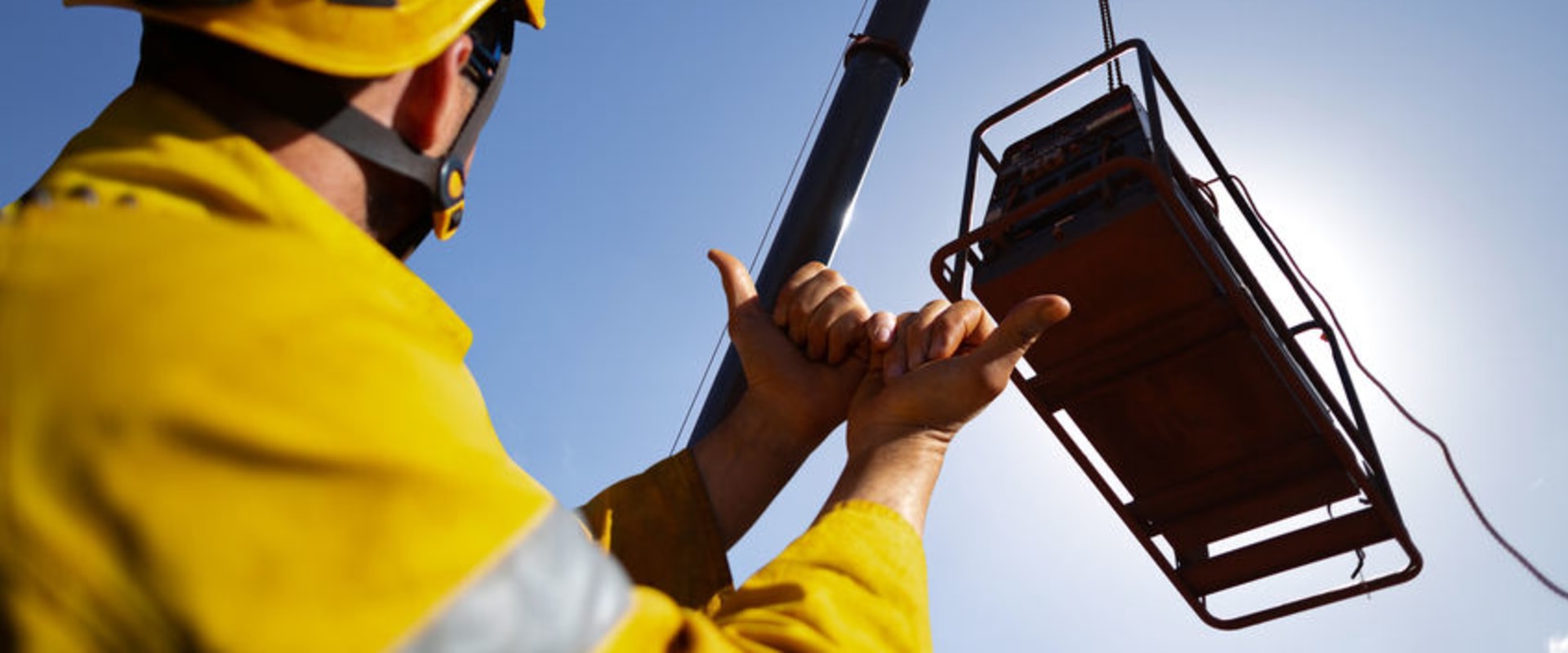
- Communication Protocols: Establish clear communication channels among all team members involved in the operation.
Use hand signals or two-way radios to ensure everyone is aware of movements and potential hazards.
- Load Management: Always adhere to the crane's load capacity limits. Overloading can lead to tipping or structural failure. Use load charts provided by the manufacturer to determine safe lifting practices.
Training Requirements for Crane Operators
When it comes to crane rental services, ensuring the safety of operations is paramount.This begins with the proper training of crane operators, who must possess a thorough understanding of both the equipment and the environment in which they are working.
Crane Operator Training
- Operators should undergo comprehensive training programs that cover various aspects of crane operation, including safety protocols, load handling, and emergency procedures.
- Training should be conducted by certified professionals who have extensive experience in crane operations.
- Hands-on training is essential, allowing operators to gain practical experience under supervision before they operate cranes independently.
Certification for Crane Operators
- In many regions, crane operators are required to obtain certification from recognized organizations. This certification demonstrates that the operator has met specific standards of knowledge and skill.
- Common certifications include those from the National Commission for the Certification of Crane Operators (NCCCO) and similar bodies, which ensure that operators are well-versed in safety regulations and operational best practices.
Importance of Qualified Personnel
Utilizing qualified personnel for crane operations not only enhances safety but also improves efficiency on job sites. Properly trained operators can better assess risks, make informed decisions, and respond effectively to unexpected situations. Therefore, when engaging crane rental services, it is crucial to verify that the operators provided are certified and have undergone rigorous training.In conclusion, investing in proper training and certification for crane operators is essential for maintaining safety standards in any project involving crane rental services.
This commitment to safety not only protects workers but also safeguards equipment and ensures compliance with industry regulations.
Types of Training Programs Available
When it comes to operating cranes safely and effectively, crane training programs are essential. These programs ensure that operators are well-versed in the necessary skills and safety protocols required for handling heavy machinery. There are several types of training programs available, each catering to different learning preferences and requirements.- In-Person Training: This traditional method involves hands-on instruction from experienced trainers. Participants engage in practical exercises, allowing them to operate cranes under supervision.
In-person training is beneficial for those who prefer direct interaction and immediate feedback.
- Online Training: With advancements in technology, many organizations now offer online crane operator training. This option provides flexibility, allowing participants to learn at their own pace. Online courses often include video tutorials, quizzes, and virtual simulations, making them accessible from anywhere.
- Hybrid Programs: Some training providers offer a combination of both in-person and online training. This approach allows learners to complete theoretical components online while participating in practical sessions in person, striking a balance between flexibility and hands-on experience.
In-person training may be more suitable for those who thrive on direct interaction, while online training can be ideal for individuals with busy schedules or those who prefer self-paced learning.Ultimately, investing in the right training program not only enhances your skills but also ensures compliance with safety regulations, making it a crucial step for anyone looking to utilize crane rental services.
Frequently Asked Questions About Crane Rental Safety and Training
When considering crane rental services, safety and training are paramount. Here are some frequently asked questions that can help clarify the necessary precautions and training involved in using these services.What safety precautions should be taken when renting a crane?
- Conduct a site assessment: Before the crane arrives, ensure that the site is suitable for crane operation, including ground stability and overhead clearance.
- Inspect the equipment: Always perform a thorough inspection of the crane before use. Check for any visible damage or maintenance issues.
- Establish a safety zone: Create a designated area around the crane to keep unauthorized personnel at a safe distance during operation.
- Use proper signaling: Ensure that clear communication methods are established between the crane operator and ground crew, using hand signals or radios as necessary.
Is training required for crane operators?
Yes, training is essential for anyone operating a crane. Operators must be certified and knowledgeable about the specific type of crane they will be using.This includes understanding load limits, operational controls, and safety protocols.
What certifications are needed for crane operators?
In the United States, operators typically need to obtain certification from recognized organizations such as the National Commission for the Certification of Crane Operators (NCCCO). This certification ensures that operators have met industry standards for safety and competency.Are there any specific regulations governing crane rental services?
Yes, various regulations govern crane rental services, including OSHA standards. These regulations outline safety practices, operator qualifications, and equipment maintenance requirements to ensure safe operations. By addressing these common questions about crane rental safety and training, users can better understand the importance of adhering to safety protocols and ensuring that all operators are properly trained and certified.Conclusion: Ensuring Safe Crane Operations Through Proper Training and Precautions
In conclusion, the safe operation of crane rental services hinges on a combination of thorough training and stringent safety precautions. As we have discussed, the complexities involved in crane operations necessitate that all personnel are adequately trained to handle the equipment and understand the potential hazards associated with lifting operations.Training programs
should encompass not only the technical aspects of operating cranes but also the importance of safety protocols.This includes understanding load limits, recognizing environmental factors such as wind and ground conditions, and adhering to local regulations. Regular refresher courses can help ensure that operators remain up-to-date with best practices and safety standards.Moreover, implementing safety precautions is essential in minimizing risks. This can involve:
- Conducting site assessments: Before any lifting operation, a thorough evaluation of the site should be performed to identify potential hazards.
- Using proper signaling: Clear communication between operators and ground personnel is vital to prevent accidents.
- Regular equipment inspections: Ensuring that cranes are well-maintained and inspected regularly can prevent mechanical failures during operations.