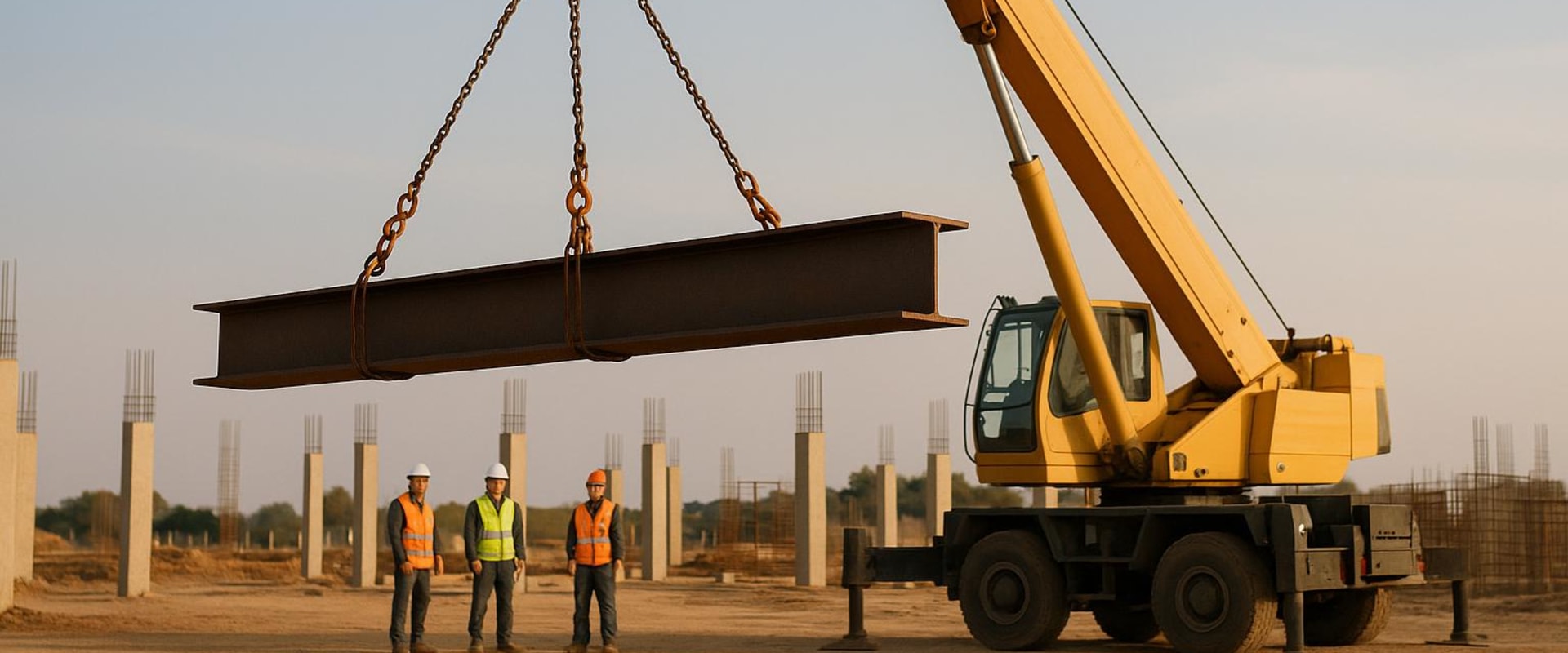
In the construction and heavy lifting industries, crane rental services have become an essential solution for businesses looking to manage costs while ensuring efficiency. Renting cranes allows companies to access advanced machinery without the burden of ownership, maintenance, and storage. This flexibility is particularly beneficial for projects that require varying lifting capacities and specialized equipment. Understanding the weight capacity of cranes is crucial for selecting the right equipment for specific tasks, as it directly impacts safety and project timelines. The weight capacity of a crane refers to the maximum load it can safely lift and maneuver.
This capacity varies significantly among different types of cranes, from small mobile units to large tower cranes. When considering renting cranes, it is vital to assess not only the weight of the materials being lifted but also the crane's reach and stability. Each project presents unique challenges, and having the right crane with adequate lifting power can make all the difference in achieving successful outcomes. Moreover, understanding the nuances of crane rental services can help businesses optimize their operations. Factors such as rental duration, transportation logistics, and operator expertise play a significant role in determining the overall effectiveness of crane usage on-site.
By delving into these aspects, companies can ensure they select the most appropriate crane for their needs, ultimately leading to safer and more efficient project execution.
Understanding Crane Weight Capacity
When it comes to crane rental services, understanding the concept of weight capacity is crucial for both safety and operational efficiency. The weight capacity of a crane refers to the maximum load that it can safely lift and support during operation. This capacity is determined by several factors, including the crane's design, the materials used in its construction, and the specific configuration in which it is set up.Crane specifications
play a vital role in defining weight capacity. Each crane model comes with a manufacturer’s rating that indicates its load limits under various conditions.These specifications are typically found in the crane's operation manual and should always be consulted before any lifting operation begins.Factors influencing a crane's weight capacity include:
- Type of Crane: Different types of cranes, such as tower cranes, mobile cranes, and crawler cranes, have varying load capacities based on their design and intended use.
- Boom Length: The length of the crane's boom affects its lifting ability; longer booms generally reduce the maximum weight that can be lifted.
- Radius: The distance from the center of the crane to the load (known as the radius) also impacts weight capacity. As the radius increases, the load limit typically decreases.
- Ground Conditions: The stability of the ground where the crane is set up can affect its lifting capabilities. Soft or uneven ground may require additional precautions or limit the load capacity.
Therefore, when utilizing crane rental services, it is imperative to communicate clearly with rental providers about your specific lifting needs and to ensure that you select a crane that meets your requirements while adhering to safety standards.
Types of Cranes Available for Rent
When considering crane rental services, it’s essential to understand the various types of cranes available and their specific weight capacities. Each type of crane is designed for different applications, making it crucial to choose the right one for your project.Mobile Cranes
Mobile cranes are versatile and can be easily transported to different job sites. They come in various configurations, including truck-mounted and all-terrain models. The weight capacity of mobile cranes typically ranges from 10 tons to over 1,000 tons, depending on the model.These cranes are ideal for construction sites where flexibility and mobility are required.
Tower Cranes
Tower cranes are commonly used in large construction projects, such as skyscrapers and bridges. They have a fixed base and can reach impressive heights, with weight capacities ranging from 10 tons to 20 tons. Their design allows them to lift heavy materials vertically, making them suitable for lifting steel beams, concrete panels, and other substantial loads.Other Crane Options
- Crawler Cranes: These cranes are equipped with tracks instead of wheels, providing stability on uneven terrain. They can lift weights from 50 tons to over 1,000 tons.
- Rough Terrain Cranes: Designed for off-road conditions, these cranes have large tires and can handle weights between 15 tons and 100 tons.
- Floating Cranes: Used primarily in marine environments, floating cranes can lift heavy loads from ships or barges, with capacities often exceeding 1,000 tons.
Always consult with your crane rental service provider to determine the best crane type based on your specific needs and the weight requirements of your materials.
Factors Influencing Crane Weight Capacity
When considering crane rental services, understanding the factors that influence a crane's weight capacity is crucial for ensuring safety and efficiency on the job site. Several key elements come into play when determining how much weight a crane can safely lift.Stability
The stability of a crane is one of the most significant factors affecting its weight capacity. A crane must maintain a balanced center of gravity to prevent tipping over while lifting heavy loads. Factors such as the crane's design, the type of ground it is set up on, and the presence of outriggers or stabilizers all contribute to its overall stability.For instance, cranes set up on uneven terrain may have reduced lifting capacities due to compromised stability.
Load Distribution
Another critical aspect is load distribution. How the weight is distributed across the crane's boom and its components can significantly impact its lifting capabilities. Unevenly distributed loads can lead to excessive strain on certain parts of the crane, increasing the risk of failure. Operators must ensure that loads are evenly distributed and secured before lifting to maximize safety and efficiency.Environmental Conditions
Environmental conditions also play a vital role in determining a crane's weight capacity.Factors such as wind speed, temperature, and ground conditions can affect how much weight a crane can safely lift. For example, high winds can create additional forces on the crane, potentially reducing its lifting capacity. Similarly, extreme temperatures can affect the materials used in the crane's construction, impacting its overall strength and stability.In summary, when utilizing crane rental services, it is essential to consider these factors—stability, load distribution, and environmental conditions—to ensure safe operations and optimal performance. Proper assessment and planning can help prevent accidents and enhance productivity on construction sites.
How to Determine the Right Crane for Your Project
Choosing the right crane for your project is crucial to ensure safety, efficiency, and cost-effectiveness.The first step in this process is to assess your project requirements. This includes understanding the weight of the materials you will be lifting, the height they need to be lifted, and the distance they need to be moved.Here are some key factors to consider when selecting a crane:
- Weight Capacity: Each crane has a maximum weight capacity, which is essential to know before making a rental decision. Ensure that the crane can handle not just the weight of the load but also any additional safety margins.
- Type of Load: Different cranes are designed for specific types of loads. For instance, if you are lifting heavy machinery, a rough terrain crane may be more suitable than a standard truck-mounted crane.
- Site Conditions: Evaluate the site where the crane will operate.
Factors such as ground stability, overhead obstructions, and space constraints can influence your choice.
- Lift Height and Radius: Determine how high and how far the crane needs to reach. This will help narrow down your options based on the crane's specifications.
By taking the time to evaluate these factors carefully, you can ensure that you choose a crane that meets your needs safely and efficiently.
Safety Considerations When Renting Cranes
When it comes to crane rental services, ensuring safety is paramount. Cranes are powerful machines that can lift heavy loads, but improper use can lead to serious accidents. Here are some essential crane safety tips to consider when renting and operating cranes on-site:- Conduct a Site Assessment: Before the crane arrives, assess the site for potential hazards such as overhead power lines, unstable ground, or nearby structures. This will help in planning the crane's operation safely.
- Verify Load Capacity: Always check the crane's load capacity before lifting.
Each crane has a maximum weight limit, and exceeding this can lead to tipping or structural failure.
- Use Qualified Operators: Ensure that only certified and experienced operators handle the crane. They should be familiar with the specific model being used and trained in safe operation practices.
- Implement Safety Protocols: Establish clear communication protocols among the crew. Use hand signals or radios to ensure everyone is aware of the crane's movements and operations.
- Regular Inspections: Conduct pre-operation inspections of the crane to check for any mechanical issues or safety concerns. This includes checking brakes, controls, and rigging equipment.
Wind speed can significantly affect lifting operations; therefore, always monitor weather conditions and halt operations during severe weather.Additionally, following rental safety guidelines provided by the rental company is crucial. These guidelines often include specific instructions on setup, operation, and maintenance of the crane during its rental period. Adhering to these guidelines not only ensures compliance with safety regulations but also protects the crew and equipment from potential hazards.In summary, prioritizing safety when utilizing crane rental services is essential for successful operations. By following these tips and guidelines, you can minimize risks and ensure a safe working environment for everyone involved.
Frequently Asked Questions About Crane Rental Services
When considering crane rental services, many potential renters have questions regarding the weight capacities of various cranes.Understanding these capacities is crucial for ensuring that your lifting needs are met safely and efficiently.
What is the typical weight capacity of rental cranes?
The weight capacity of rental cranes can vary significantly based on the type and model of the crane. Generally, crane rental services offer cranes with capacities ranging from 10 tons to over 1,000 tons. For example:- Small cranes: These typically have a capacity of 10 to 30 tons, suitable for light construction and residential projects.
- Mid-sized cranes: Ranging from 30 to 100 tons, these are often used in commercial construction and industrial applications.
- Heavy-duty cranes: With capacities exceeding 100 tons, these cranes are ideal for large-scale projects such as infrastructure development and heavy machinery lifting.
How do I determine the right crane for my project?
To select the appropriate crane, consider the following factors:- Weight of the load: Accurately assess the weight of the materials or equipment you need to lift.
- Lifting height: Determine how high the crane needs to lift the load, as this can affect stability and capacity.
- Site conditions: Evaluate the ground conditions and space available for crane setup, which can influence the type of crane you should rent.
By asking the right questions and considering key factors, you can make an informed decision that enhances safety and efficiency on your job site.
Conclusion: Key Takeaways on Crane Rental Services and Weight Capacities
In conclusion, understanding the maximum weight capacity of cranes during rental services is crucial for ensuring safety and efficiency on any construction site. As we have discussed, different types of cranes come with varying weight limits, which can significantly impact project planning and execution.Key Takeaways:
- Know Your Needs: Before renting a crane, assess the specific requirements of your project, including the weight of materials to be lifted and the height at which they need to be placed.
- Consult with Experts: Engage with crane rental services to get professional advice on the appropriate crane type and its weight capacity. They can provide insights based on their experience and knowledge of equipment.
- Consider Safety Margins: Always factor in a safety margin when determining the required lifting capacity. This ensures that the crane operates within safe limits, reducing the risk of accidents.
- Review Manufacturer Specifications: Each crane comes with a manufacturer’s specification sheet detailing its maximum load capacity.
Familiarize yourself with these details to make informed decisions.
- Plan for Site Conditions: The environment where the crane will operate can affect its performance. Consider ground stability, overhead obstructions, and weather conditions when selecting a crane.