When it comes to construction and heavy lifting, crane rental services play a pivotal role in ensuring projects are completed efficiently and safely. Whether you are a contractor managing a large-scale construction site or a homeowner undertaking a renovation, understanding the options available for crane rentals is essential. This knowledge not only helps in selecting the right equipment but also in determining the most cost-effective rental duration. Crane rentals can be categorized into short-term and long-term options, each tailored to meet specific project needs. Short-term rentals are ideal for projects that require cranes for a limited time, such as lifting materials for a single job or completing a specific phase of construction.
These rentals offer flexibility and can be arranged quickly, allowing you to adapt to changing project timelines without incurring unnecessary costs. On the other hand, long-term crane rentals are suited for extended projects where cranes are needed over several weeks or months. This option often comes with reduced rates and ensures that you have consistent access to the equipment necessary for ongoing tasks. Understanding the differences between these rental types can significantly impact your project's budget and timeline, making it crucial to assess your needs carefully before making a decision. In summary, whether you opt for short-term or long-term crane rental services, being informed about your choices will empower you to make decisions that align with your project goals. As you explore the various options available, consider factors such as project duration, budget constraints, and equipment requirements to ensure you select the best rental solution for your needs.
What Are Crane Rental Services?
Crane rental services provide businesses with access to a variety of cranes without the need for a significant capital investment.These services are essential for industries such as construction, manufacturing, and logistics, where heavy lifting is a routine requirement. By renting cranes, companies can efficiently manage their projects while maintaining flexibility in their operations.There are several types of cranes available for rent, each designed for specific tasks and environments:
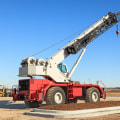
- Mobile Cranes: These versatile cranes can be easily transported to different job sites. They are ideal for construction projects that require quick setup and mobility.
- Tower Cranes: Commonly used in high-rise building projects, tower cranes offer exceptional height and lifting capacity. They are fixed to the ground and provide stability for lifting heavy materials.
- Crawler Cranes: Equipped with tracks instead of wheels, crawler cranes are perfect for rough terrain.
Their stability and lifting power make them suitable for large construction sites.
- Overhead Cranes: Often found in warehouses and manufacturing facilities, overhead cranes are used to lift and move materials along a fixed path. They enhance efficiency in material handling.
- Articulating Cranes: These cranes have multiple joints that allow them to reach difficult areas. They are commonly used in landscaping and maintenance tasks.
Short-Term Crane Rentals: An Overview
When it comes to crane rental services, short-term rentals offer a flexible and efficient solution for various construction and industrial projects.These rentals are typically ideal for projects that require heavy lifting but are not long-term in nature, allowing businesses to save on costs while still accessing the necessary equipment.
Benefits of Short-Term Rentals
- Cost-Effectiveness: Short-term crane rentals eliminate the need for large capital expenditures associated with purchasing equipment. This is particularly beneficial for companies that may only need a crane for a few days or weeks.
- Flexibility: With short-term rentals, businesses can easily adjust their equipment needs based on project demands. If a project timeline changes or additional lifting capacity is required, companies can quickly rent additional cranes without long-term commitments.
- Access to Latest Technology: Renting cranes allows companies to utilize the latest models equipped with advanced technology, ensuring safety and efficiency on the job site.
When to Choose Short-Term Rentals
Short-term crane rentals are particularly advantageous in several scenarios:
- Seasonal Projects: For projects that are seasonal or have a defined start and end date, short-term rentals provide the necessary equipment without the burden of long-term ownership.
- Specialized Tasks: If a project requires specific lifting capabilities that are not part of your regular operations, renting a crane for the duration of that task can be more practical.
- Budget Constraints: Companies working within tight budgets may find short-term rentals to be a more feasible option, allowing them to allocate funds more effectively across various project needs.
Long-Term Crane Rentals: Key Considerations
When considering long-term crane rentals, it’s essential to evaluate several key factors that can significantly impact your project’s success and budget.Long-term rentals are typically defined as agreements lasting several months to years, making them ideal for extensive construction projects or ongoing operations.
Advantages of Long-Term Rentals
- Cost Efficiency: One of the primary benefits of long-term crane rentals is the potential for reduced costs. Renting a crane for an extended period often comes with lower monthly rates compared to short-term rentals, which can help you stay within budget.
- Availability: Securing a crane for a long duration ensures that you have consistent access to the equipment you need, minimizing downtime and scheduling conflicts.
- Maintenance and Support: Many rental companies offer maintenance services as part of long-term agreements, ensuring that the equipment remains in optimal condition throughout the rental period.
When to Choose Long-Term Rentals
Long-term crane rentals are particularly advantageous for:
- Large Construction Projects: If your project spans several months or years, such as building skyscrapers or bridges, a long-term rental can provide the necessary equipment without the hassle of frequent renewals.
- Ongoing Operations: Industries like mining or energy often require cranes for continuous operations. Long-term rentals can ensure that these projects run smoothly without interruptions.
- Budget Management: For companies looking to manage cash flow effectively, locking in a long-term rental rate can protect against price increases and provide predictable expenses.
Comparing Short-Term and Long-Term Crane Rentals
When considering crane rental services, understanding the differences between short-term and long-term crane rentals is crucial for making an informed decision that aligns with your project needs.Short-Term Crane Rentals
Short-term crane rentals are typically ideal for projects that require equipment for a limited duration, such as a few days to a few weeks.These rentals are often used for:
- One-off construction tasks
- Emergency repairs or maintenance work
- Seasonal projects that do not require ongoing crane use
Long-Term Crane Rentals
Long-term crane rentals, on the other hand, are suited for extended projects that span several weeks or months. This option is beneficial for:- Large construction sites with ongoing needs
- Infrastructure projects requiring consistent crane operation
- Companies looking to reduce overall rental costs through longer commitments
Many rental companies offer discounted rates for extended contracts, making it a more economical choice if you anticipate needing a crane for an extended period.
Rental Cost Comparison
When comparing costs, it’s essential to consider not just the daily rental rate but also any additional fees associated with delivery, setup, and maintenance. Short-term rentals may seem more expensive upfront, but if your project timeline is short, they can be more cost-effective overall. Conversely, long-term rentals can provide significant savings if you have a sustained need for crane services.Project Duration Considerations
Your project's duration should heavily influence your decision. If you’re unsure about how long you’ll need the crane, consult with your rental service provider.They can help assess your project timeline and recommend the most suitable rental option based on your specific requirements.Ultimately, whether you choose short-term or long-term crane rentals will depend on your project’s unique demands and budget constraints. By carefully evaluating these factors, you can select the best crane rental services to meet your needs.
Factors to Consider When Choosing a Crane Rental Service
When selecting a crane rental service, several critical factors should guide your decision-making process. Understanding these elements can help ensure that you choose a provider that meets your project needs effectively and efficiently.- Equipment Quality: The condition and type of cranes available for rent are paramount. Ensure that the rental service offers well-maintained, modern equipment that complies with safety regulations.
Inquire about the age of the cranes and their maintenance history to avoid unexpected breakdowns during your project.
- Customer Service: A responsive and knowledgeable customer service team can make a significant difference in your rental experience. Look for a provider that offers 24/7 support, as well as assistance in selecting the right crane for your specific needs. Positive reviews and testimonials can also indicate a company’s commitment to customer satisfaction.
- Pricing Structures: Understanding the pricing model is essential when evaluating crane rental services. Some companies may offer competitive rates for short-term rentals but have higher fees for long-term contracts.
Be sure to ask about any hidden costs, such as delivery fees or insurance, to get a complete picture of the total rental cost.
- Flexibility: Depending on your project timeline, you may need a rental service that offers both short-term and long-term options. A flexible provider can accommodate changes in your schedule or project scope, ensuring you have access to the equipment you need when you need it.
- Safety Record: Safety should always be a top priority when renting heavy machinery. Research the safety record of potential rental services and ask about their training programs for operators. A company with a strong safety culture will not only protect its employees but also minimize risks on your job site.
Frequently Asked Questions About Crane Rentals
When considering crane rental services, many potential customers have questions regarding the duration and flexibility of rentals.Here are some common inquiries:
Do you offer both short-term and long-term crane rentals?
Yes, we provide a range of options for both short-term and long-term crane rentals. Short-term rentals are ideal for projects that require cranes for a few days to a couple of weeks, while long-term rentals cater to ongoing projects that may last several months or even years. This flexibility allows you to choose the rental period that best fits your project needs.What factors should I consider when renting a crane?
- Project Duration: Determine how long you will need the crane. This will help you decide between short-term and long-term rental options.
- Type of Crane: Different projects require different types of cranes.
Assess the weight and height requirements of your project to select the appropriate crane.
- Site Conditions: Evaluate the site where the crane will operate. Factors such as ground stability, space constraints, and overhead obstructions can influence your choice.
- Budget: Understand your budget constraints. Short-term rentals may seem cheaper initially, but long-term rentals can offer better value for extended projects.
What are some tips for renting cranes?
- Research Rental Companies: Look for reputable companies with positive reviews and a solid track record in providing crane rental services.
- Ask About Insurance: Ensure that the rental company provides adequate insurance coverage for the crane and any potential liabilities.
- Inspect the Equipment: Before finalizing your rental, inspect the crane to ensure it is in good working condition and meets safety standards.
- Understand Rental Agreements: Carefully read through the rental agreement to understand terms, conditions, and any additional fees that may apply.
Conclusion: Making the Right Choice for Your Crane Rental Needs
In conclusion, selecting the right type of crane rental services is crucial for the success of your project. Whether you require a crane for a short-term job or a long-term construction endeavor, understanding your specific needs will guide you in making an informed decision. Short-term rentals are ideal for projects that have a defined timeline and require immediate lifting solutions.They offer flexibility and can be tailored to meet the demands of various tasks, from small-scale renovations to large events. On the other hand, long-term rentals are suited for ongoing projects that require consistent lifting capabilities over an extended period. This option often comes with cost savings and ensures that you have the right equipment available when you need it. When considering crane rental services, keep the following factors in mind:
- Project Duration: Assess how long you will need the crane and choose accordingly.
- Type of Crane: Different projects may require different types of cranes, such as tower cranes or mobile cranes.
- Budget: Determine your budget constraints and explore rental options that fit within your financial plan.
- Service Provider: Choose a reputable rental company that offers reliable equipment and excellent customer support.