When it comes to crane rental services, understanding the nuances of insurance coverage is crucial for both rental companies and customers. Cranes are powerful machines that play a vital role in construction and heavy lifting projects, but their operation comes with inherent risks. This is where insurance coverage for cranes becomes a key consideration. It not only protects the equipment but also safeguards the interests of all parties involved in the rental agreement. Many customers may not realize that crane rental insurance can vary significantly between providers.
Some companies include basic coverage as part of their rental agreements, while others may offer comprehensive policies that cover a wide range of potential liabilities. Understanding these options is essential for making informed decisions that align with project needs and risk management strategies. Moreover, having adequate insurance coverage can provide peace of mind, allowing contractors and project managers to focus on their work without the constant worry of unforeseen accidents or damages. As we delve deeper into this topic, we will explore the different types of insurance available, what they cover, and how they can impact your overall rental experience.
What Are Crane Rental Services?
Crane rental services provide businesses and contractors with access to a variety of cranes without the need for a significant capital investment. These services are essential for projects that require heavy lifting, such as construction, demolition, and industrial operations.By renting cranes, companies can efficiently manage their resources and focus on their core activities.
Types of Cranes for Rent
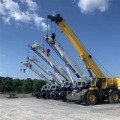
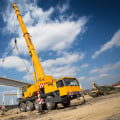
There are several types of cranes available for rent, each designed for specific tasks:- Mobile Cranes: Versatile and easy to transport, mobile cranes can be used in various locations and are ideal for construction sites.
- Tower Cranes: Commonly used in high-rise building projects, tower cranes offer exceptional height and lifting capacity.
- Crawler Cranes: Equipped with tracks instead of wheels, crawler cranes provide stability on uneven terrain, making them suitable for heavy lifting in challenging environments.
- Rough Terrain Cranes: Designed for off-road conditions, these cranes can navigate rough surfaces while providing powerful lifting capabilities.
Benefits of Crane Rental
The advantages of utilizing crane rental services are numerous:- Cost-Effective: Renting cranes eliminates the need for large upfront purchases and ongoing maintenance costs.
- Access to Latest Technology: Rental services often provide the latest models equipped with advanced features, ensuring safety and efficiency.
- Flexibility: Companies can rent cranes based on project requirements, allowing them to scale their operations up or down as needed.
- Expert Support: Many rental companies offer trained operators and support staff, ensuring that projects run smoothly and safely.
The Importance of Insurance in Crane Rentals
When it comes to crane rental services, the importance of insurance cannot be overstated. Operating cranes involves significant risks, including potential accidents that can lead to severe injuries or property damage. Therefore, having comprehensive insurance coverage is essential for both the rental company and the client.Understanding the Risks
- Accidents: Cranes are heavy machinery that can cause catastrophic accidents if not operated correctly.
This includes tipping over, dropping loads, or colliding with structures.
- Liability: If an accident occurs, the rental company may be held liable for damages or injuries. Without proper insurance, this could lead to significant financial losses.
- Equipment Damage: Cranes can sustain damage during operation or transportation. Insurance helps cover repair costs, ensuring that the equipment remains operational.
Why Insurance Matters
Insurance serves as a safety net that protects all parties involved in crane rentals. Here are a few reasons why it is crucial:
- Financial Protection: In the event of an accident, insurance can cover medical expenses, legal fees, and repair costs, preventing financial strain on the rental company and the client.
- Peace of Mind: Knowing that there is insurance coverage allows clients to focus on their projects without worrying about potential liabilities.
- Compliance with Regulations: Many states require certain levels of insurance for heavy machinery operations.
Having adequate coverage ensures compliance with local laws.
Types of Insurance Coverage Available for Crane Rentals
When considering crane rental services, understanding the types of insurance coverage available is crucial for protecting your investment and ensuring safety on the job site. Here are the primary options you should be aware of:- Liability Insurance: This is one of the most important types of coverage. It protects against claims resulting from injuries or damages that occur during the rental period.
If a third party is injured or property is damaged due to crane operations, liability insurance can cover legal fees and compensation costs.
- Damage Waivers: A damage waiver can be an essential part of your rental agreement. This option typically limits your financial responsibility for damages to the crane while it is in your possession. However, it’s important to read the terms carefully, as some waivers may have exclusions.
- Worker's Compensation: If you have employees operating the crane, worker's compensation insurance is vital. This coverage provides benefits to workers who may be injured on the job, ensuring they receive medical care and compensation for lost wages.
- Equipment Insurance: This type of insurance covers physical damage to the crane itself, whether from accidents, theft, or vandalism.
It’s particularly important for high-value equipment.
Do Crane Rental Companies Offer Insurance Coverage?
When considering crane rental services, one of the most important questions to ask is whether the rental company provides insurance coverage for the cranes during the rental period. Understanding the insurance policies offered by crane rental companies can help you mitigate risks and ensure that your project runs smoothly.Many reputable crane rental companies do offer some form of insurance coverage as part of their services.However, the specifics can vary significantly from one company to another. Here are some common practices:
- Basic Coverage: Some companies include basic liability coverage in their rental agreements, which protects against damages to third parties or property.
- Damage Waiver: A damage waiver may be offered, which limits your financial responsibility for damages to the crane itself, provided that the damage was not due to negligence.
- Additional Insurance Options: Many crane rental companies allow customers to purchase additional insurance coverage for more comprehensive protection, including coverage for equipment breakdowns and accidents.
Ask about their insurance policies, what is included in the rental price, and whether you need to provide any additional insurance yourself. This proactive approach can help you avoid unexpected costs and ensure that you are adequately protected throughout your project.
What to Consider When Choosing Insurance for Crane Rentals
When selecting insurance for crane rentals, it’s essential to consider several key factors to ensure you have adequate coverage that meets your specific needs. Here are some important aspects to evaluate:- Type of Coverage: Determine whether you need liability insurance, which protects against third-party claims, or physical damage coverage, which safeguards the crane itself from accidents or theft. Some rental companies may offer comprehensive packages that include both.
- Policy Limits: Review the policy limits carefully.
Ensure that the coverage amounts are sufficient to cover potential damages or liabilities that could arise during the rental period. It’s advisable to consult with an insurance expert to assess your risk exposure.
- Exclusions: Pay close attention to any exclusions in the policy. Understanding what is not covered can help you avoid unexpected costs in case of an incident. Common exclusions may include damage caused by operator error or natural disasters.
- Duration of Coverage: Ensure that the insurance coverage aligns with the rental duration.
Some policies may only cover specific time frames, so it’s crucial to confirm that you are protected for the entire rental period.
- Cost of Insurance: Compare quotes from different providers to find a balance between cost and coverage. While it might be tempting to choose the cheapest option, ensure that it doesn’t compromise essential protections.
- Consult with Experts: Engage with insurance brokers who specialize in construction or heavy equipment rentals. Their expertise can guide you toward suitable policies tailored for your needs.
- Read Reviews: Look for feedback from other customers regarding their experiences with specific insurance providers. This can provide insights into reliability and customer service.
- Document Everything: Keep thorough records of all communications and agreements related to your insurance policy.
This documentation can be invaluable in case of disputes or claims.
Frequently Asked Questions About Crane Rental Insurance
When considering crane rental services, many customers have questions regarding insurance coverage. Understanding the specifics of crane rental insurance can help alleviate concerns and ensure a smooth rental experience.- What types of insurance are typically offered with crane rentals?
Most crane rental companies provide liability insurance, which covers damages to third parties or property. Additionally, some may offer damage waivers that protect against certain types of damage to the crane itself. - Do I need to purchase additional insurance?
While many rental companies include basic coverage, it’s advisable to assess your project’s risk factors. Depending on the scope and location of your project, you may want to consider additional coverage for peace of mind. - What is covered under the liability insurance?
Liability insurance generally covers bodily injury and property damage caused by the crane during its operation.However, it’s essential to read the policy details to understand any exclusions or limitations.
- Are there any exclusions in the insurance policy?
Yes, common exclusions may include damages resulting from operator negligence, improper use of the crane, or failure to follow safety protocols. Always clarify these points with your rental provider. - How can I ensure I have adequate coverage?
Before finalizing your rental agreement, discuss your specific needs with the rental company. They can guide you on the best coverage options based on your project requirements.
Conclusion: Ensuring Safe and Secure Crane Rentals with Proper Insurance
In conclusion, understanding the insurance coverage associated with crane rental services is crucial for both safety and financial protection.As we have discussed, cranes are significant investments, and their operation involves inherent risks. Therefore, ensuring that you have the right insurance in place can safeguard against potential liabilities and damages.When renting a crane, it is essential to clarify the following:
- What type of insurance is included? Many rental companies offer basic coverage, but it may not be sufficient for all scenarios. Always inquire about the specifics of the policy.
- Are there additional coverage options? Depending on your project’s needs, you might want to consider additional coverage for things like operator error or equipment damage.
- Who is responsible for damages? Understanding who bears the financial responsibility in case of an accident or damage is vital. This can often be a point of contention if not clearly outlined in the rental agreement.
Sometimes, your existing business insurance may extend to cover rented cranes, which could save you money.Ultimately, making informed decisions regarding crane rental services and their associated insurance can lead to a smoother operation and peace of mind. Always take the time to read through contracts carefully and consult with your insurance provider to ensure comprehensive coverage that meets your specific needs.