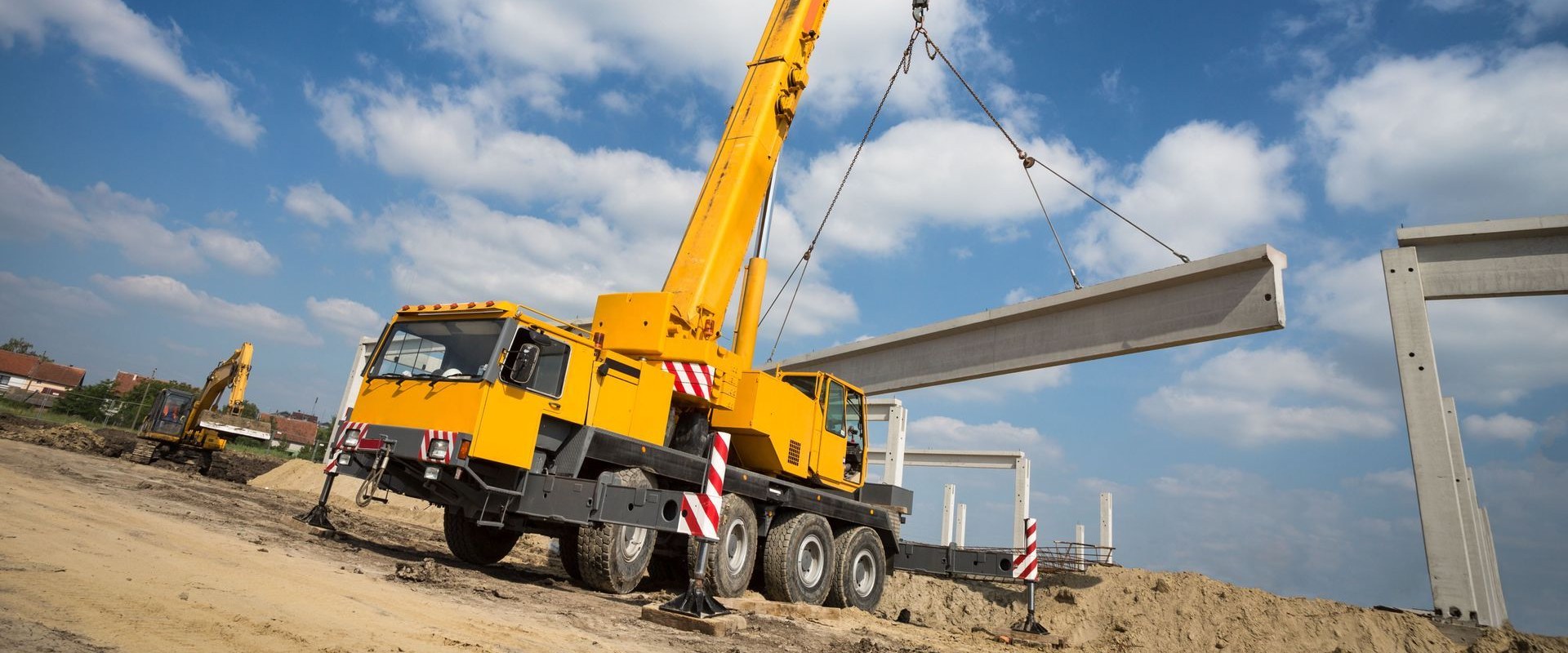
When embarking on a construction or industrial project, the need for specialized equipment often arises, and crane rental services provide a practical solution. These services allow businesses to access a variety of cranes without the hefty investment of purchasing one outright. Whether you are lifting heavy materials on a construction site or moving equipment in a warehouse, understanding what crane rental entails is crucial for ensuring your project runs smoothly and efficiently. Crane rental services offer a diverse range of equipment tailored to meet specific project needs. From tower cranes that reach impressive heights to mobile cranes that can navigate tight spaces, the options are vast.
Each type of crane serves unique purposes, making it essential to choose the right one for your job. For instance, if you are working on a high-rise building, a tower crane may be your best bet, while a rough terrain crane could be ideal for outdoor projects on uneven ground. Moreover, utilizing crane rental services not only saves money but also provides access to well-maintained and up-to-date equipment. This is particularly important in industries where safety and compliance with regulations are paramount. By renting, you can ensure that you have the right crane for your specific needs without the long-term commitment of ownership.
Types of Cranes Available for Rent
When considering crane rental services, it's essential to understand the various types of cranes available to ensure you select the right equipment for your project.Each type of crane serves specific functions and is suited for different job requirements.
Mobile Cranes
Mobile cranes are versatile and can be easily transported from one location to another. They are equipped with wheels or tracks, allowing them to navigate various terrains. These cranes are ideal for construction sites where mobility is crucial. Common types of mobile cranes include:- Truck-mounted cranes: These cranes are mounted on a truck chassis, providing excellent mobility and quick setup times.
- Rough terrain cranes: Designed for off-road conditions, these cranes have large tires and a robust build, making them suitable for construction sites with uneven surfaces.
- All-terrain cranes: Combining the features of both truck-mounted and rough terrain cranes, all-terrain cranes can operate on highways and rough terrains.
Tower Cranes
Tower cranes are commonly used in large construction projects, such as skyscrapers and bridges.They provide exceptional height and lifting capacity, making them ideal for lifting heavy materials to significant heights. Key features include:
- Fixed base: Tower cranes are anchored to the ground, providing stability during operation.
- Height adjustment: Many tower cranes can be extended vertically as the building progresses, allowing for continuous operation throughout the project.
- Crawler cranes: These cranes have tracks instead of wheels, providing stability on soft ground.
- Floating cranes: Used in marine construction, these cranes operate on water and are essential for tasks like bridge building over rivers.
Factors to Consider When Renting a Crane
When considering crane rental services for your project, several key factors must be evaluated to ensure you select the right equipment for your needs. Understanding these factors can significantly impact the efficiency and safety of your operation.- Project Size: The scale of your project is a primary consideration.
Larger projects may require more powerful cranes with extended reach and lifting capacity, while smaller jobs might only need compact models. Assessing the dimensions of the site and the height at which materials need to be lifted is crucial.
- Weight Capacity: Each crane has a specific weight limit it can safely lift. It’s essential to calculate the total weight of the materials you plan to move and choose a crane that exceeds this weight to ensure safety and compliance with regulations.
- Duration of Rental: Determine how long you will need the crane. Rental companies often offer different pricing structures based on rental duration—daily, weekly, or monthly rates.
Understanding your timeline can help you budget effectively and avoid unnecessary costs.
- Site Conditions: The environment where the crane will operate plays a significant role in your choice. Factors such as ground stability, overhead obstructions, and accessibility can affect which type of crane is suitable for your project.
- Operator Experience: If you do not have an in-house operator, consider whether the rental service provides trained operators. Experienced operators can enhance safety and efficiency on-site, making it a worthwhile investment.
How to Choose the Right Crane Rental Service
When it comes to selecting the right crane rental service, there are several key factors to consider to ensure you make an informed decision.Here are some essential tips to guide you through the process:
- Research Company Reputation: Start by looking for best crane rental companies in your area. Online reviews and testimonials can provide valuable insights into the experiences of previous customers. Websites like Yelp, Google Reviews, and industry-specific forums can help you gauge a company's reliability.
- Evaluate Safety Records: Safety should be your top priority when renting a crane. Inquire about the company’s safety protocols and accident history.
A reputable crane rental service will be transparent about their safety measures and will have a solid track record.
- Check Equipment Quality: Inspect the cranes available for rent. Ensure they are well-maintained and meet industry standards. A company that invests in high-quality equipment is likely to provide better service and reduce the risk of accidents.
- Customer Service: Assess the level of customer service offered by the rental company. Are they responsive to inquiries? Do they provide clear information about pricing, availability, and terms? Good communication is crucial for a smooth rental experience.
- Compare Pricing: While cost shouldn’t be the only factor, it’s important to compare prices among different companies.
Look for transparent pricing structures without hidden fees. Sometimes, the cheapest option may not offer the best value in terms of service and equipment quality.
The Rental Process: What to Expect
Renting a crane involves several key steps that ensure you get the right equipment for your project while also managing your expectations. Understanding the crane rental process can help streamline your experience and avoid any potential pitfalls.1.Initial Inquiry
- Begin by contacting a reputable crane rental service.
Provide details about your project, including the type of crane needed, the duration of the rental, and the specific site conditions.
- Discuss any special requirements, such as weight limits or reach specifications, to ensure you select the appropriate crane.
2.Quotation and Agreement
- After your inquiry, the rental service will provide a quotation based on your needs. This may include costs for delivery, setup, and any additional services.
- Review the terms of the rental agreement carefully. Pay attention to insurance coverage, liability clauses, and cancellation policies.
3.Scheduling Delivery
- Once you agree to the terms, schedule a delivery date that aligns with your project timeline. Ensure that the site is prepared for the crane's arrival.
- Communicate with the rental service about any access issues or restrictions at your job site to avoid delays.
4.Setup and Operation
- The rental company typically handles crane delivery and setup.
Their experienced operators will ensure that the crane is positioned correctly and safely.
- If you require training or assistance in operating the crane, discuss this with your rental provider beforehand.
5.Completion and Pickup
- After completing your project, notify the rental service to arrange for pickup. Ensure that all equipment is in good condition to avoid additional charges.
- Review any final paperwork and confirm that all terms of the rental agreement have been met.
Cost of Crane Rental: Budgeting for Your Project
When planning a project that requires crane rental services, understanding the associated costs is crucial for effective budgeting. The price of renting a crane can vary significantly based on several factors, and being aware of these can help you manage your expenses more efficiently.Factors Affecting Crane Rental Costs
- Type of Crane: Different types of cranes, such as tower cranes, mobile cranes, or rough terrain cranes, come with varying rental rates. The complexity and capabilities of the crane will influence the overall cost.
- Rental Duration: Most crane rental services charge on a daily, weekly, or monthly basis.
Longer rental periods may offer discounted rates, but it’s essential to assess how long you truly need the equipment.
- Location: The geographical area where the crane is needed can impact pricing. Urban areas may have higher demand and costs compared to rural locations.
- Additional Services: Some rental companies offer additional services such as delivery, setup, and operator training. These services can add to the overall cost but may be necessary for your project.
Budgeting Tips for Crane Rental
To effectively budget for crane rental, consider the following tips:- Get Multiple Quotes: Always compare prices from different rental companies to ensure you’re getting a competitive rate.
- Plan Ahead: If possible, plan your project timeline to avoid last-minute rentals, which can be more expensive.
- Factor in Hidden Costs: Be aware of potential hidden costs such as insurance, permits, and fuel charges that may not be included in the initial quote.
Safety Considerations When Using Rental Cranes
When utilizing crane rental services, ensuring safety is paramount. Cranes are powerful machines that require careful handling to prevent accidents and injuries.Here are some essential safety considerations to keep in mind:
Understanding Safety Regulations
Before operating a rented crane, familiarize yourself with the relevant safety regulations. These regulations can vary by state and municipality, so it’s crucial to check local laws. The Occupational Safety and Health Administration (OSHA) provides guidelines that must be adhered to, including:- Regular inspections of the crane before use.
- Ensuring operators are certified and trained.
- Following load capacity limits as specified by the manufacturer.
Crane Safety Tips
Implementing effective safety practices can significantly reduce the risk of accidents. Here are some practical crane safety tips:- Conduct a Site Assessment: Evaluate the worksite for potential hazards such as overhead power lines, unstable ground, or nearby structures.
- Use Proper Signage: Clearly mark areas where cranes will operate to keep unauthorized personnel away.
- Establish Communication: Ensure that all team members are aware of hand signals or communication devices used during crane operation.
- Monitor Weather Conditions: Avoid crane operations during high winds, rain, or storms that could affect stability.
Safe Crane Operation Practices
To ensure safe operation of rental cranes, follow these best practices:- Pre-Operation Checks: Always perform a thorough inspection of the crane before use, checking for any mechanical issues or wear and tear.
- Load Management: Be mindful of the load's center of gravity and ensure it is properly rigged to prevent tipping.
- Training and Certification: Only allow trained and certified operators to handle the crane.
Continuous training can help reinforce safe practices.
Frequently Asked Questions About Crane Rentals
When considering crane rental services, many potential renters have questions about the process, costs, and requirements. Here are some frequently asked questions that can help clarify your concerns:What types of cranes are available for rent?
Crane rental services typically offer a variety of cranes to suit different project needs. Common types include:- Mobile Cranes: Versatile and can be moved easily from one location to another.
- Tower Cranes: Ideal for construction sites, providing height and lifting capacity.
- Crawler Cranes: Suitable for rough terrain, offering stability and strength.
- Overhead Cranes: Used in warehouses and factories for lifting heavy loads.
How do I determine the right crane for my project?
Choosing the right crane depends on several factors:- The weight of the load: Ensure the crane can handle the maximum weight you need to lift.
- The height required: Consider how high you need to lift materials.
- The site conditions: Assess whether the ground is stable enough for certain types of cranes.
What are the costs associated with renting a crane?
The cost of crane rental services can vary widely based on:- The type of crane: Larger and more specialized cranes typically cost more.
- The rental duration: Daily, weekly, or monthly rates may apply.
- Add-on services: Costs may increase if you require an operator or additional equipment.
Do I need a permit to rent a crane?
In many cases, yes.Depending on your location and the scope of your project, you may need to obtain permits before using a crane. It’s advisable to check with local regulations and consult with your crane rental service provider for guidance.If you have more specific questions or unique project requirements, don’t hesitate to reach out to your chosen crane rental services. They can provide tailored advice and support to ensure your project runs smoothly.
Conclusion: Making Informed Decisions on Crane Rentals
In conclusion, renting a crane for your specific project or job can be a highly effective solution when approached with careful planning and consideration. Throughout this article, we have explored the various aspects of crane rental services, emphasizing the importance of understanding your project requirements, budget constraints, and the types of cranes available.When considering a crane rental, it is crucial to:- Assess Your Project Needs: Determine the weight and dimensions of the materials you will be lifting, as well as the height and reach required.
This will help you select the appropriate crane type.
- Evaluate Rental Companies: Research different crane rental services to find reputable providers. Look for companies with positive reviews, a solid safety record, and a range of equipment options.
- Understand Rental Terms: Familiarize yourself with the rental agreement, including costs, insurance requirements, and maintenance responsibilities. Clear communication with the rental company can prevent misunderstandings.
- Plan for Safety: Ensure that all safety protocols are in place. This includes having qualified operators and adhering to local regulations regarding crane operations.
Remember that a well-planned crane rental can significantly impact the success of your job, making it essential to invest time in preparation.Ultimately, whether you are managing a construction site or handling a specialized lifting task, leveraging crane rental services can provide you with the flexibility and resources needed to achieve your goals effectively.