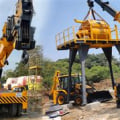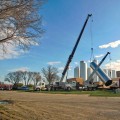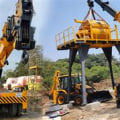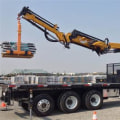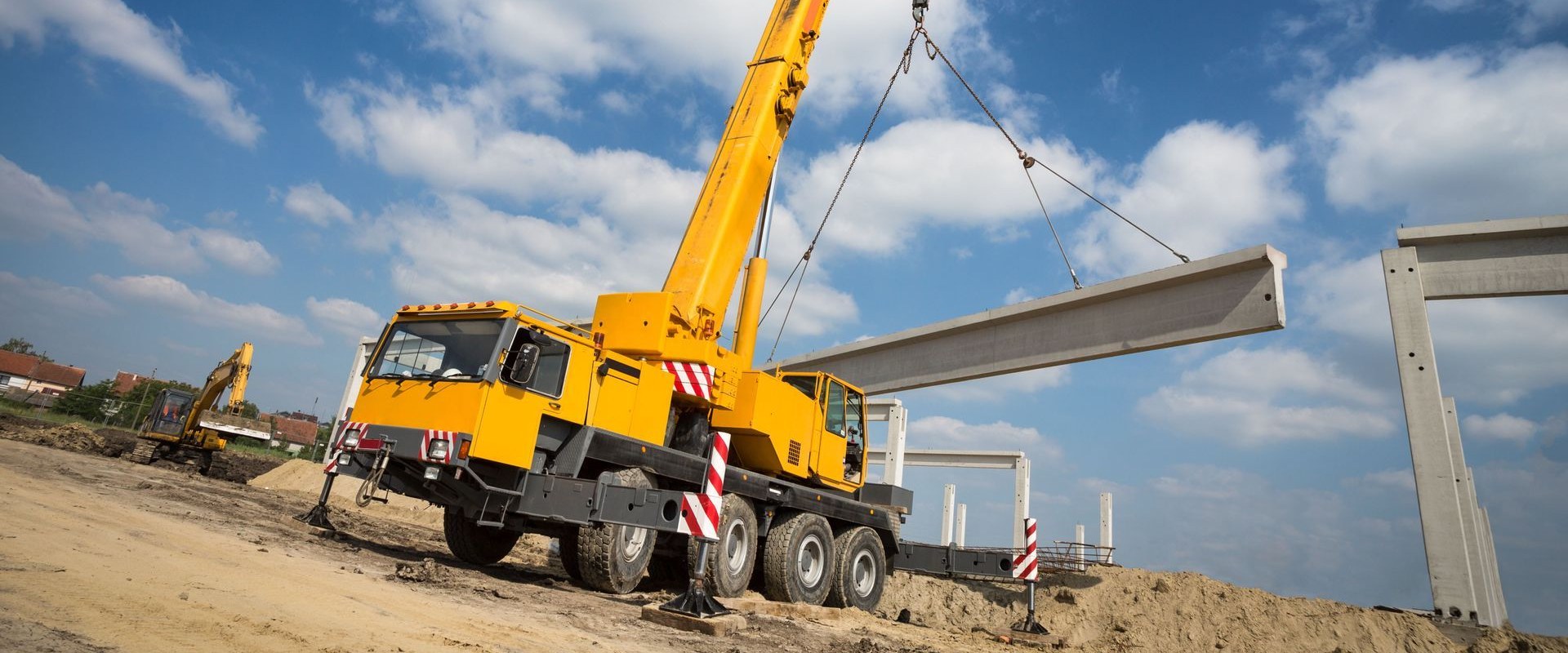
When embarking on a large construction project, understanding crane rental services is crucial for ensuring efficiency and safety. These services provide access to a variety of cranes tailored to meet the specific needs of different tasks, from lifting heavy materials to reaching great heights. Whether you require a tower crane for high-rise buildings or a mobile crane for versatile maneuverability, the options available can significantly impact the success of your project. The crane rental process typically begins with an assessment of your project requirements. This includes evaluating the weight and type of materials to be lifted, the site conditions, and the duration of the rental.
Once these factors are established, you can consult with rental companies to determine which type of crane best suits your needs. Many companies offer comprehensive services that include delivery, setup, and operation, ensuring that you have expert assistance throughout the rental period. As projects grow in scale, many contractors wonder if they can rent multiple cranes simultaneously. This approach can enhance productivity and streamline operations, especially in large-scale endeavors where time is of the essence. Understanding how to effectively coordinate multiple crane rentals can lead to significant advantages in project timelines and overall efficiency.
Benefits of Renting Multiple Cranes for Large Projects
When undertaking large-scale construction projects, the decision to rent multiple cranes can significantly enhance overall project efficiency and safety.Here are some key benefits of utilizing crane rental services for multiple units:
- Increased Efficiency: By deploying several cranes simultaneously, tasks can be completed in parallel rather than sequentially. This means that materials can be moved more quickly, and different phases of construction can overlap, leading to a more streamlined workflow.
- Reduced Project Timelines: With multiple cranes on-site, the time required to complete the project can be drastically shortened. This is particularly beneficial for projects with tight deadlines, as it allows for faster lifting and placement of heavy materials.
- Improved Safety: Having multiple cranes can enhance safety on the job site. With more equipment available, operators can work more efficiently and avoid congestion.
This reduces the risk of accidents that can occur when cranes are forced to share space or wait for one another.
- Flexibility in Operations: Different cranes can be suited for various tasks, such as lifting heavy loads or reaching high elevations. By renting multiple types of cranes, project managers can ensure that they have the right equipment for each specific job, further optimizing performance.
Factors to Consider When Renting Multiple Cranes
When considering crane rental services for larger projects, several key factors must be evaluated to ensure a smooth and efficient operation. Understanding these elements can significantly impact the success of your project.- Project Requirements: Before renting multiple cranes, assess the specific needs of your project.
This includes the type of materials being lifted, the weight of those materials, and the height requirements. Different cranes have varying lifting capacities and reach, so selecting the right combination is crucial.
- Site Conditions: The physical environment where the cranes will operate plays a vital role in your rental decision. Consider factors such as:
- Ground Stability: Ensure that the ground can support the weight of the cranes and any loads they will carry.
- Space Availability: Evaluate whether there is enough space for multiple cranes to operate simultaneously without interfering with each other.
- Access Points: Identify how easily cranes can access the site and whether there are any obstacles that could hinder their movement.
- Logistical Challenges: Coordinating multiple cranes requires careful planning. Consider the following logistical aspects:
- Scheduling: Ensure that all cranes are scheduled efficiently to avoid downtime and maximize productivity.
- Operator Availability: Each crane will need a qualified operator.
Confirm that you have enough skilled personnel to manage all units effectively.
- Communication: Establish clear communication protocols among operators to ensure safety and efficiency during operations.
How to Choose the Right Crane Rental Service
When it comes to selecting a crane rental service for your project, making an informed choice is crucial. Here are some key factors to consider:- Research Reputable Crane Companies: Start by compiling a list of reputable crane companies in your area. Look for companies with positive reviews and testimonials from previous clients. Websites like Yelp, Google Reviews, and industry-specific forums can provide valuable insights into the reliability and quality of service offered by these companies.
- Evaluate Equipment Quality: Ensure that the cranes available for rent are well-maintained and meet safety standards.
Ask about the age of the equipment and whether it undergoes regular inspections. A company that prioritizes maintenance is likely to provide safer and more reliable machinery.
- Understand Rental Agreements: Before signing any contracts, carefully review the rental agreements. Pay attention to the terms regarding rental duration, costs, insurance coverage, and liability. Make sure you understand any additional fees that may apply, such as delivery or setup charges.
- Check for Insurance and Certifications: Verify that the crane rental service has appropriate insurance coverage and certifications.
This not only protects you in case of accidents but also indicates that the company adheres to industry standards.
- Customer Support: A responsive customer support team can make a significant difference in your experience. Choose a company that offers 24/7 support and is willing to assist you with any questions or concerns throughout the rental period.
Coordinating Multiple Crane Rentals: Best Practices
Coordinating multiple crane rentals can significantly enhance the efficiency of large-scale projects, but it requires meticulous planning and execution. Here are some best practices to ensure smooth operations:- Establish Clear Communication: Effective communication among all team members is crucial. Designate a project manager who will serve as the primary point of contact for crane rental services.
This person should facilitate regular updates and address any concerns that arise during the project.
- Develop a Detailed Schedule: Create a comprehensive timeline that outlines when each crane will be needed on-site. Consider factors such as delivery times, setup durations, and operational hours. Utilize project management software to keep track of these schedules and make adjustments as necessary.
- Logistics Management: Coordinate logistics to ensure that cranes are delivered and positioned correctly. This includes assessing site conditions, determining the best locations for crane placement, and ensuring that there is adequate space for operation without interfering with other activities on-site.
- Safety Protocols: Implement safety measures that account for multiple cranes operating simultaneously.
Conduct safety briefings with all personnel involved in the project to ensure everyone understands their roles and responsibilities. Regularly inspect equipment to prevent accidents.
- Contingency Planning: Prepare for potential delays or issues by having contingency plans in place. This could involve scheduling backup cranes or having alternative strategies for lifting operations if one crane becomes unavailable.
Common Challenges When Renting Multiple Cranes
When engaging in crane rental services for larger projects, the prospect of renting multiple cranes can be enticing. However, this approach comes with its own set of challenges that project managers must navigate to ensure smooth operations.Challenges in Crane Rentals
One of the primary challenges is coordinating the logistics of multiple cranes.Each crane may have different operational requirements, and ensuring they are all available at the right time and location can be complex. Additionally, managing the different operators and their schedules requires meticulous planning.
Troubleshooting Crane Issues
Another significant concern is the potential for mechanical issues. With multiple cranes on-site, the likelihood of encountering a malfunction increases. It’s crucial to have a reliable maintenance plan in place.Regular inspections and having a dedicated technician on-site can help mitigate downtime caused by unexpected repairs.
Managing Delays
Delays can arise from various factors, including weather conditions, equipment failures, or logistical hiccups. To manage these delays effectively:- Establish clear communication: Ensure that all team members are aware of their roles and responsibilities.
- Implement a contingency plan: Prepare for potential setbacks by having backup equipment or alternative schedules.
- Monitor progress regularly: Use project management tools to track the status of each crane and adjust plans as necessary.
FAQs About Renting Multiple Cranes
When considering crane rental services for larger projects, many clients have questions about the logistics and feasibility of renting multiple cranes simultaneously. Here are some frequently asked questions that can help clarify this process:- Is it possible to rent multiple cranes at once?
Yes, most crane rental services offer the option to rent multiple cranes for larger projects. This can be beneficial for efficiency and meeting tight deadlines. - What factors should I consider when renting multiple cranes?
When renting multiple cranes, consider the following:- The type of cranes needed based on the project requirements.
- The duration of the rental period.
- The availability of operators and support staff.
- Logistical considerations such as site access and space for maneuvering.
- Are there discounts for renting multiple cranes?
Many crane rental services offer discounts or package deals for clients who rent multiple units.It’s advisable to inquire about any available promotions or bulk rental rates.
- How do I coordinate the use of multiple cranes on-site?
Effective communication and planning are key. It’s recommended to have a dedicated project manager or coordinator who can oversee crane operations and ensure that all equipment is utilized efficiently.
Conclusion: Making the Most of Your Crane Rental Experience
In conclusion, successfully renting multiple cranes for a larger project requires careful planning and effective coordination. As discussed, the benefits of utilizing crane rental services can significantly enhance the efficiency and safety of your operations.However, to maximize these advantages, it is essential to consider several key factors.
- Assess Your Project Needs: Before engaging with a rental service, clearly define the scope of your project. Understanding the specific requirements will help you determine the type and number of cranes needed.
- Choose a Reputable Rental Service: Partnering with a reliable crane rental company is crucial. Look for providers with a proven track record in handling large-scale projects and offering a diverse fleet of cranes.
- Plan for Logistics: Coordinating multiple cranes involves meticulous logistical planning. Ensure that you have a clear schedule and designated areas for each crane to operate without interference.
- Safety First: Always prioritize safety by ensuring that all operators are certified and that safety protocols are in place.
This not only protects your crew but also minimizes potential delays.