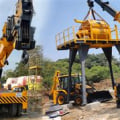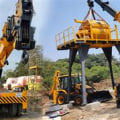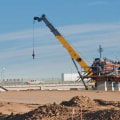
In today’s fast-paced construction and industrial environments, crane rental services have become an essential component for efficiently managing heavy lifting tasks. These services provide businesses with access to a wide range of cranes, tailored to meet specific project needs without the significant financial burden of purchasing and maintaining equipment. From towering skyscrapers to intricate bridge constructions, the versatility of cranes allows for enhanced productivity and safety on job sites.However, the operation of cranes is not without its challenges. Proper training and adherence to safety protocols are crucial to prevent accidents and ensure smooth operations.
This is where crane operation training and crane certification programs come into play. These programs equip operators with the necessary skills and knowledge to handle cranes effectively, emphasizing the importance of safety measures and operational best practices.As we delve deeper into the world of crane rental services, it becomes clear that investing in training and certification is not just a regulatory requirement but a vital step towards fostering a culture of safety and efficiency in the workplace. Understanding the significance of these programs can help businesses make informed decisions when selecting crane rental services, ensuring that they not only get the right equipment but also the right expertise to operate it safely.
The Importance of Training in Crane Operations
In the realm of crane rental services, the significance of proper training cannot be overstated. Operating cranes involves complex machinery and high-stakes environments, making it essential for operators to be well-trained.This training not only enhances safety but also ensures compliance with legal requirements and industry standards.
Legal Requirements and Safety Standards
- Many jurisdictions mandate that crane operators possess specific certifications to operate cranes legally. These regulations are designed to protect workers and the public from accidents.
- Compliance with OSHA (Occupational Safety and Health Administration) standards is crucial, as these guidelines outline the necessary training and safety protocols for crane operations.
Benefits of Crane Operation Training
- Enhanced Safety: Proper training significantly reduces the risk of accidents, injuries, and fatalities on job sites. Trained operators are more aware of their surroundings and can make better decisions under pressure.
- Increased Efficiency: Well-trained operators can handle cranes more effectively, leading to improved productivity. They understand how to maneuver loads safely and efficiently, minimizing downtime.
- Cost Savings: Investing in training can lead to long-term savings by reducing the likelihood of accidents that could result in costly damages or legal issues.
- Professional Development: Training programs often provide operators with valuable skills that enhance their career prospects within the construction and heavy equipment industries.
By investing in comprehensive training programs, companies can foster a culture of safety while enhancing their operational capabilities.
Types of Training Programs Offered
When it comes to crane rental services, ensuring that operators are well-trained is crucial for safety and efficiency. We offer a variety of training programs tailored to meet the needs of both novice and experienced crane operators.Classroom Instruction
Our classroom instruction courses provide a comprehensive overview of crane operations, safety protocols, and regulations. Participants will learn about:- Types of cranes and their specific uses
- Load calculations and weight distribution
- Safety standards set by OSHA and other regulatory bodies
- Signal communication between operators and ground crew
Hands-On Crane Training
To complement classroom learning, we offer hands-on crane training. This practical experience is essential for developing the skills needed to operate cranes safely and effectively.During this training, participants will:
- Operate various types of cranes under the supervision of certified instructors
- Practice real-world scenarios to enhance decision-making skills
- Receive immediate feedback to improve their techniques
Online Courses
For those who prefer a more flexible learning environment, we also provide online crane operator courses. These courses cover essential topics such as:- Theoretical knowledge of crane operations
- Safety measures and emergency procedures
- Interactive quizzes to reinforce learning outcomes
Certification Programs for Crane Operators
When it comes to crane rental services, ensuring that operators are properly trained and certified is crucial for safety and efficiency. Various certification programs for crane operation exist, each designed to equip operators with the necessary skills and knowledge to handle cranes safely and effectively.Types of Certification Programs
- National Commission for the Certification of Crane Operators (NCCCO): This is one of the most recognized certification bodies in the United States. Their programs cover a range of crane types and include both written and practical exams.
- American National Standards Institute (ANSI): ANSI offers standards that many certification programs adhere to, ensuring that operators meet industry benchmarks.
- State-Specific Certifications: Some states have their own requirements for crane operator certification, which may include additional training or testing.
Requirements for Certification
- Minimum age of 18 years.
- Successful completion of a training program.
- Passing scores on both written and practical exams.
Benefits of Obtaining Certification
- Enhanced Safety: Certified operators are trained to recognize hazards and operate cranes safely, reducing the risk of accidents.
- Increased Job Opportunities: Many employers prefer or require certification, making certified operators more competitive in the job market.
- Compliance with Regulations: Certification helps ensure compliance with local, state, and federal regulations regarding crane operation.
How to Choose the Right Training Program
Choosing the right training program for operating cranes is crucial for ensuring safety and efficiency in crane rental services.With various options available, it’s essential to consider several factors to find the best fit for your needs.
Factors to Consider
- Certification Standards: Ensure that the training program adheres to industry standards and offers recognized certifications. Look for programs accredited by organizations such as the National Commission for the Certification of Crane Operators (NCCCO).
- Course Content: Review the curriculum to ensure it covers essential topics such as crane types, load handling, safety protocols, and operational techniques. A comprehensive course will prepare you for real-world scenarios.
- Instructor Qualifications: Check the qualifications and experience of the instructors. Experienced trainers can provide valuable insights and practical knowledge that enhance learning.
- Hands-On Training: Look for programs that offer hands-on training opportunities.
Practical experience is vital in mastering crane operation and understanding equipment nuances.
- Flexibility and Location: Consider the location of the training facility and whether they offer flexible scheduling options. This can be particularly important if you have a busy work schedule.
Best Crane Operator Courses
Some of the best crane operator courses include:- NCCCO Certification Course: This course is widely recognized and covers all necessary aspects of crane operation.
- OSHA Compliance Training: Ensures that operators are aware of safety regulations and best practices.
- Manufacturer-Specific Training: Some manufacturers offer specialized training on their equipment, which can be beneficial if you plan to use specific crane models.
Frequently Asked Questions about Crane Training and Certification
When considering crane rental services, many clients have questions regarding the necessary training and certification for operating cranes. Here are some of the most frequently asked questions:- Do you provide training for crane operators?
Yes, we offer comprehensive training programs designed to equip operators with the skills needed to safely and effectively operate cranes.Our training includes both theoretical knowledge and practical hands-on experience.
- Is certification required to operate a crane?
Yes, in most cases, operators must be certified to ensure safety and compliance with industry regulations. Certification demonstrates that the operator has met the necessary standards and possesses the required skills. - What types of certifications do you offer?
We provide various certification programs, including those recognized by OSHA (Occupational Safety and Health Administration) and NCCCO (National Commission for the Certification of Crane Operators). These certifications cover different types of cranes and operational scenarios. - How long does the training program take?
The duration of our training programs varies depending on the type of crane and the level of certification sought. Typically, our courses range from a few days to several weeks. - Can I rent a crane without certification?
While you can rent a crane without being certified, it is highly recommended that you have trained personnel to operate it.This not only ensures safety but also minimizes liability risks during operation.
Conclusion: The Path to Safe Crane Operation
In conclusion, the significance of proper training and certification in the realm of crane rental services cannot be overstated. As we have discussed, operating cranes involves inherent risks that can lead to serious accidents if not managed correctly. Therefore, ensuring that operators are well-trained is essential for maintaining safety on job sites.Investing in comprehensive training programs not only equips operators with the necessary skills to handle cranes effectively but also fosters a culture of safety within the organization. These programs typically cover critical areas such as:- Understanding crane mechanics and operational limits
- Safety protocols and emergency procedures
- Load calculations and rigging techniques
- Site assessment and hazard recognition
This not only enhances the credibility of the crane rental service provider but also instills confidence in clients regarding the safety measures in place.Ultimately, prioritizing training and certification is a proactive approach that benefits all stakeholders involved. It minimizes the risk of accidents, reduces liability, and ensures compliance with regulatory requirements. As the demand for crane rental services continues to grow, so does the responsibility to uphold safety through skilled operation.By committing to ongoing education and certification, crane rental companies can pave the way for safer job sites and more efficient operations, reinforcing their reputation as leaders in the industry.