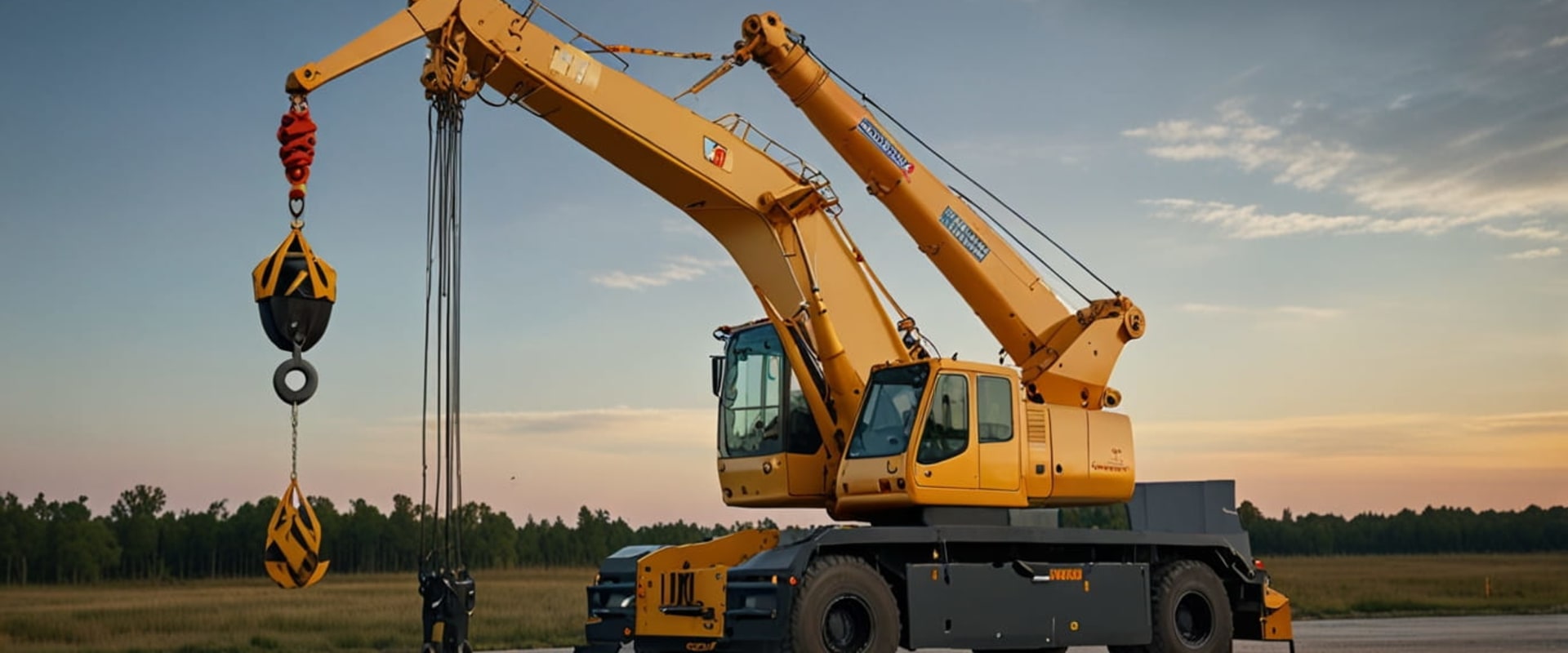
In the world of construction and heavy lifting, crane rental services play a pivotal role in ensuring projects are completed efficiently and safely. These services provide access to a variety of cranes, each designed to meet specific lifting needs across different industries. From towering skyscrapers to intricate bridge constructions, the ability to rent cranes allows companies to scale their operations without the burden of purchasing and maintaining expensive equipment.One of the most critical factors in selecting a crane is its height capability. Different types of cranes, such as tower cranes, mobile cranes, and crawler cranes, offer varying maximum heights that can significantly impact project timelines and safety.
Understanding these capabilities is essential for project managers and contractors who must ensure that the right equipment is available for the job at hand.As we delve deeper into the specifics of crane rental services, we will explore how these machines not only enhance productivity but also contribute to the overall safety of construction sites. The maximum height that cranes can reach is not just a technical specification; it reflects the advancements in engineering and technology that allow for more ambitious construction projects than ever before. This knowledge is crucial for anyone involved in planning or executing large-scale projects.
Types of Cranes and Their Maximum Heights
When considering crane rental services, it's essential to understand the various types of cranes available and their respective maximum heights. Each type of crane is designed for specific applications, making it crucial to choose the right one for your project.Tower Cranes
Tower cranes are commonly used in the construction of tall buildings.They can reach impressive heights, often exceeding 1,000 feet depending on the model and configuration. These cranes are fixed to the ground and provide a stable platform for lifting heavy materials vertically.
Mobile Cranes
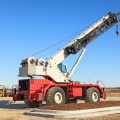
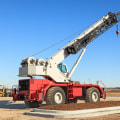
Mobile cranes are versatile and can be moved from one location to another. Their maximum height varies significantly based on the type:- Rough Terrain Cranes: Typically reach heights of up to 150 feet.
- All-Terrain Cranes: Can achieve heights around 200 feet.
- Truck-Mounted Cranes: Generally have a maximum height of about 100 feet.
Crawler Cranes
Crawler cranes are designed for heavy lifting on uneven terrain. They can reach heights similar to mobile cranes, often up to 250 feet, depending on their configuration and boom length.Other Specialized Cranes
There are also specialized cranes such as gantry cranes and floating cranes.Gantry cranes can vary widely in height based on their design, while floating cranes are typically used in maritime applications and can reach heights of around 150 feet.Understanding these specifications is vital when selecting crane rental services. The right crane not only ensures safety but also enhances efficiency on the job site, allowing for optimal performance tailored to your project's unique requirements.
Factors Affecting Crane Height Capabilities
When considering crane rental services, understanding the factors that affect a crane's height capabilities is crucial for ensuring safety and efficiency on construction sites. Several key elements play a role in determining how high a crane can effectively operate.Stability
The stability of a crane is paramount when it comes to its height capabilities. A crane must maintain a low center of gravity to prevent tipping, especially when lifting heavy loads at significant heights.The design of the crane, including its base and counterweights, directly influences its stability. For instance, cranes with wider bases can often reach greater heights safely compared to those with narrower designs.
Load Capacity
Another critical factor is the load capacity of the crane. Each crane has a specified maximum load it can lift at various heights. As the height increases, the load capacity typically decreases due to the increased leverage and stress on the crane's structure.Therefore, understanding the weight of the materials being lifted is essential for selecting the right crane for a job.
Environmental Conditions
Environmental conditions also significantly impact a crane's height capabilities. Wind speed, for example, can affect stability and safety when operating at elevated heights. Most cranes have operational wind speed limits, beyond which they cannot safely function. Additionally, factors such as ground conditions and nearby structures can influence how high a crane can be safely operated. In summary, when utilizing crane rental services, it is vital to consider these factors—stability, load capacity, and environmental conditions—to ensure that the chosen crane meets the specific height requirements of your project while maintaining safety and efficiency.Safety Considerations When Using Cranes at Height
When utilizing crane rental services for projects that require working at significant heights, safety must be the top priority.Proper safety measures not only protect workers but also ensure compliance with industry regulations. Here are some essential safety considerations to keep in mind:
- Pre-Operation Inspections: Before any lifting operation, conduct thorough inspections of the crane. Check for any mechanical issues, ensure that all safety devices are functioning, and verify that the crane is suitable for the intended load and height.
- Operator Training: Only trained and certified operators should handle cranes. They must be familiar with the specific model being used and understand the operational limits, including maximum height capabilities.
- Load Limits: Always adhere to the crane's load chart.
Exceeding weight limits can lead to catastrophic failures, especially at height. Ensure that loads are evenly distributed and secured before lifting.
- Weather Conditions: Monitor weather conditions closely. High winds, rain, or lightning can significantly impact crane operations. If conditions become unsafe, halt operations until it is safe to proceed.
- Communication: Establish clear communication protocols among all team members involved in the lift.
Use hand signals or radios to ensure everyone is aware of the operation and can respond quickly if issues arise.
- Personal Protective Equipment (PPE): Ensure that all personnel working near the crane wear appropriate PPE, including hard hats, safety glasses, and harnesses when working at height.
Case Studies: Successful Crane Rentals and Their Heights
When it comes to crane rental services, understanding the heights that different cranes can achieve is crucial for planning successful projects. Here are some notable case studies that highlight the impressive capabilities of various crane types in real-world applications.1.The Burj Khalifa Project
One of the most iconic examples of crane rental success is the construction of the Burj Khalifa in Dubai, which stands at a staggering 828 meters (2,717 feet). The project utilized tower cranes that were specifically designed to reach extreme heights.These cranes were pivotal in lifting heavy materials and equipment to the upper levels of the skyscraper, showcasing how specialized crane rental services can meet the demands of high-rise construction.
2.The One World Trade Center
In New York City, the One World Trade Center project required cranes capable of reaching over 1,776 feet. The rental service provided crawler cranes and tower cranes that could handle the weight and height requirements of this monumental structure. The use of these cranes not only facilitated the construction process but also ensured safety and efficiency in lifting operations.3.Wind Turbine Installation
A different application of crane rental services can be seen in wind turbine installations. For instance, a recent project involved erecting turbines that reached heights of 100 meters (328 feet).The rental company deployed mobile cranes with extended reach capabilities, allowing for precise placement of turbine components in challenging terrains.
4.Bridge Construction
The construction of large bridges often requires cranes that can lift heavy beams to significant heights. A notable case involved a bridge project where gantry cranes were rented to achieve lifts of up to 50 meters (164 feet). This project exemplified how crane rental services can adapt to specific engineering challenges while ensuring structural integrity.These case studies illustrate the versatility and strength of crane rental services, demonstrating their essential role in achieving remarkable height achievements across various industries. By selecting the right type of crane for each project, companies can ensure successful outcomes and meet their construction goals efficiently.Frequently Asked Questions About Crane Heights and Rentals
When considering crane rental services, many potential clients have questions regarding the maximum heights that cranes can reach and how this impacts their projects.Here are some frequently asked questions that can help clarify these concerns.
- What is the maximum height a crane can reach?
The maximum height of a crane largely depends on its type and model. For instance, tower cranes can reach heights of over 1,000 feet, while mobile cranes typically have a maximum height ranging from 100 to 300 feet. It's essential to consult with your crane rental service provider to determine the specific capabilities of the crane you are considering. - How do I determine the right crane for my project?
Assessing your project's requirements is crucial. Consider factors such as the height needed, the weight of the materials being lifted, and the site conditions.A reputable crane rental service will assist you in selecting the appropriate crane based on these criteria.
- Are there any height restrictions for cranes in urban areas?
Yes, many urban areas have specific regulations regarding crane heights due to zoning laws and proximity to airports. Always check local regulations and consult with your crane rental service to ensure compliance. - What safety measures are in place for high lifts?
Safety is paramount when operating cranes at significant heights. Operators must follow strict safety protocols, including regular inspections, proper training, and adherence to load limits. Your crane rental service should provide certified operators and ensure that all safety measures are in place.
If you have more specific questions or need further assistance, don't hesitate to reach out to your local crane rental services.
Conclusion: Key Takeaways on Crane Heights and Rental Services
In conclusion, understanding the maximum heights that cranes can reach is crucial for anyone considering crane rental services. The height capabilities of cranes vary significantly based on their type, design, and intended use. For instance, tower cranes can reach impressive heights, often exceeding 1,000 feet, making them ideal for skyscraper construction. On the other hand, mobile cranes typically have a more limited reach but offer flexibility and mobility on job sites.When selecting a crane rental service, it is essential to consider not only the maximum height but also the specific requirements of your project.Here are some key takeaways:
- Project Requirements: Assess the height and weight requirements of your project to determine the appropriate crane type.
- Site Conditions: Evaluate the job site conditions, including space constraints and ground stability, which can affect crane performance.
- Safety Regulations: Ensure that the crane rental service complies with local safety regulations and standards to prevent accidents.
- Expert Consultation: Consult with professionals from the rental service to gain insights into which crane will best meet your needs.