In the ever-evolving landscape of construction and heavy lifting, crane rental services have emerged as a vital solution for businesses seeking efficiency and flexibility. These services provide access to a wide range of cranes without the hefty investment of purchasing equipment outright. Whether you are managing a large-scale construction project or a smaller renovation, understanding the nuances of crane rentals can significantly impact your operational success. Crane rentals are not just about having the right machinery on-site; they encompass a comprehensive approach to meeting specific lifting needs. From tower cranes that reach impressive heights to mobile cranes that offer versatility across various terrains, the options available through rental services cater to diverse industry requirements.
This flexibility allows companies to scale their operations according to project demands, ensuring that they have the right equipment at the right time. The benefits of utilizing crane rental services extend beyond mere access to machinery. Renting cranes can lead to substantial cost savings, as it eliminates maintenance expenses and storage concerns associated with owning equipment. Additionally, many rental companies offer specialized attachments and accessories that enhance crane functionality, making it easier to tackle unique challenges on-site. As we delve deeper into this topic, we will explore the various types of equipment and attachments available for rental, highlighting how they can optimize your lifting operations.
Types of Cranes Available for Rent
When considering crane rental services, it’s essential to understand the variety of cranes available to meet your specific project needs.Each type of crane offers unique capabilities and is suited for different applications, ensuring that you can find the right equipment for your job.
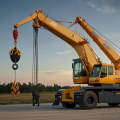
- Mobile Cranes: These versatile cranes are mounted on wheeled vehicles, allowing for easy transportation and setup. They are ideal for construction sites where mobility is crucial. Mobile cranes can handle a wide range of lifting tasks, from small to large loads.
- Tower Cranes: Commonly used in the construction of tall buildings, tower cranes provide exceptional height and lifting capacity. Their fixed base allows them to lift heavy materials vertically, making them indispensable for high-rise projects.
- Crawler Cranes: Equipped with tracks instead of wheels, crawler cranes offer stability and can navigate rough terrain.
They are perfect for heavy lifting in challenging environments, such as remote construction sites or uneven ground.
- Rough Terrain Cranes: Designed specifically for off-road conditions, these cranes combine the features of mobile cranes with enhanced stability. They are equipped with large tires and a robust chassis, making them suitable for outdoor projects.
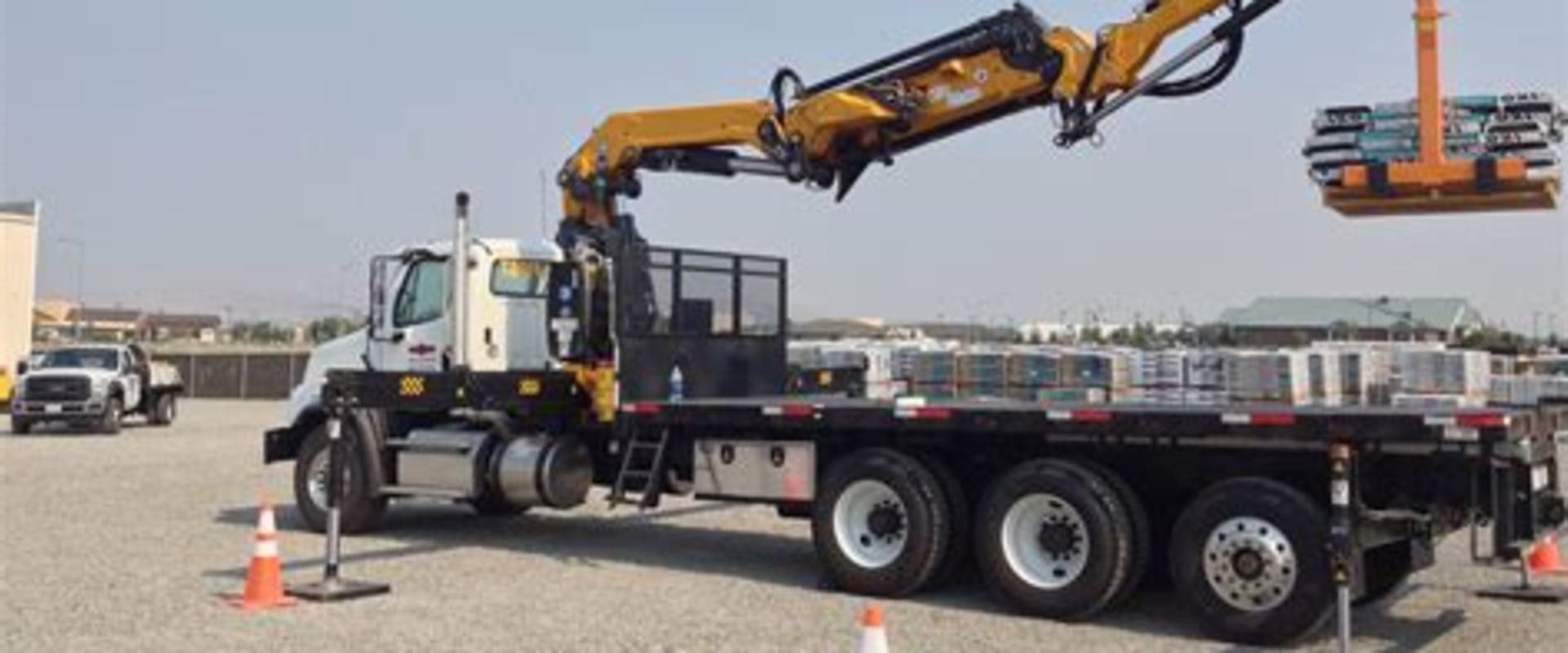
- Truck-Mounted Cranes: These cranes are mounted on a truck chassis, providing both mobility and lifting power. They are ideal for jobs that require quick setup and relocation, such as utility work or maintenance tasks.
- Jibs: Extendable arms that allow for greater reach and flexibility in lifting.
- Clamshell Buckets: Useful for digging and moving bulk materials.
- Magnet Attachments: Ideal for lifting metal objects in industrial settings.
By understanding the different cranes available through crane rental services, you can make informed decisions that align with your project requirements.
Special Equipment and Attachments for Cranes
When considering crane rental services, it's essential to understand the variety of special equipment and attachments available to enhance the functionality of the cranes. These attachments can significantly improve efficiency and safety on the job site, making them a valuable addition to any rental agreement.- Forks: Ideal for lifting and moving pallets or heavy materials, forks can transform a crane into a versatile material handling tool.
- Hooks: Standard hooks are commonly used, but specialized hooks can be rented for specific applications, such as lifting irregularly shaped loads.
- Buckets: Crane buckets are perfect for transporting loose materials like gravel or sand, making them essential for construction and landscaping projects.
- Clamshells: These attachments are designed for digging and scooping, particularly useful in excavation and demolition tasks.
- Magnets: For lifting ferrous materials, magnets can be attached to cranes, providing a safe and efficient way to handle metal scraps or components.
This not only maximizes productivity but also minimizes potential risks associated with improper equipment use.Ultimately, having access to the right special equipment for cranes can make a significant difference in the success of your project. Whether you need basic attachments or specialized tools, understanding your options will help you make informed decisions when utilizing crane rental services.
Benefits of Using Specialized Attachments
When considering crane rental services, one of the most significant advantages is the availability of specialized attachments. These attachments can dramatically enhance the functionality of cranes, making them more versatile and efficient for various tasks.Benefits of Crane Attachments
- Increased Efficiency: Specialized attachments allow cranes to perform specific tasks more effectively. For instance, using a clamshell bucket for digging or a forklift attachment for lifting pallets can save time and reduce labor costs.
- Enhanced Safety: Attachments designed for particular jobs can improve safety on the worksite.
For example, using a lifting beam can help distribute weight evenly, minimizing the risk of accidents.
- Cost-Effectiveness: Renting cranes with specialized attachments can be more economical than hiring multiple pieces of equipment. This consolidation reduces rental fees and transportation costs.
- Flexibility: With a range of attachments available, you can adapt your crane to meet the specific needs of your project. Whether you need to lift heavy materials or perform delicate operations, there’s an attachment that fits your requirements.
Why Use Crane Attachments?
The decision to utilize specialized equipment during crane rental services is not just about convenience; it’s about maximizing productivity and ensuring that projects are completed safely and efficiently. By selecting the right attachments, you can tailor your crane's capabilities to suit the unique demands of your job site.In conclusion, investing in crane rental services that offer specialized attachments can lead to significant advantages, including improved efficiency, enhanced safety, cost savings, and greater flexibility.
These benefits make it clear why customers should consider utilizing these options when planning their projects.
How to Choose the Right Equipment and Attachments
When it comes to crane rental services, selecting the right equipment and attachments is crucial for the success of your project. The right choice can enhance efficiency, safety, and overall performance. Here are some key considerations to help you make an informed decision:- Assess Project Requirements: Begin by evaluating the specific needs of your project. Consider factors such as the weight of the materials to be lifted, the height required, and the working environment.
This assessment will guide you in choosing the appropriate crane type and attachments.
- Understand Attachment Options: Different attachments serve various purposes. For instance, a hook block is essential for general lifting, while a clamshell bucket is ideal for handling loose materials like soil or gravel. Familiarize yourself with available attachments to ensure you select those that align with your project goals.
- Consult with Experts: Don’t hesitate to reach out to your crane rental service provider for advice. Their expertise can help you understand which equipment and attachments are best suited for your specific application.
They can also provide insights into any special equipment that may enhance your project’s efficiency.
- Consider Safety Features: Safety should always be a priority when selecting crane equipment. Look for cranes and attachments that come equipped with safety features such as overload protection, emergency stop buttons, and proper rigging points. Ensuring safety not only protects your team but also minimizes potential project delays.
- Review Rental Terms: Before finalizing your rental agreement, carefully review the terms related to equipment maintenance and support. Understanding what is included in your rental can prevent unexpected issues during your project.
This thoughtful approach will not only enhance productivity but also contribute to a safer working environment.
Frequently Asked Questions About Crane Rental Services
When considering crane rental services, many customers often have questions about the availability of special equipment or attachments that can enhance the functionality of the cranes. Here are some common inquiries:What types of attachments are available for rental cranes?
Most crane rental services offer a variety of attachments to suit different lifting needs. Common attachments include:- Jibs: Extend the reach of the crane, allowing for greater flexibility in lifting.
- Hooks: Standard and specialized hooks for various load types.
- Buckets: Ideal for lifting materials like gravel or sand.
- Magnets: Useful for lifting metal objects in construction or recycling.
- Clamps: Designed for securely holding specific materials, such as pipes or beams.
Are there additional costs for attachments?
Yes, while some crane rental services include basic attachments in their rental packages, specialized equipment may incur additional fees. It’s essential to discuss your specific needs with the rental company to understand any extra costs involved.Can I rent attachments separately from the crane?
In many cases, yes.Some companies allow you to rent attachments independently, which can be beneficial if you already have a crane but need specific tools for a project. Always check with your provider to confirm availability.
How do I know which attachment is right for my project?
The best approach is to consult with the crane rental service. Their experts can assess your project requirements and recommend the most suitable attachments based on factors like load type, weight, and height requirements.By understanding the options available and asking the right questions, you can ensure that your crane rental experience meets your project’s demands effectively.Conclusion: Making the Most of Your Crane Rental Experience
In conclusion, understanding the nuances of crane rental services is essential for ensuring a successful project outcome. Throughout this article, we have explored the various aspects of crane rentals, including the types of cranes available, their specific applications, and the importance of selecting the right equipment for your needs.One of the key takeaways is the significance of knowing what special equipment or attachments are available during your rental.These can greatly enhance the functionality of the crane and improve efficiency on-site. For instance, attachments such as jibs, hooks, and lifting beams can be crucial for specific tasks, allowing for greater versatility and precision in lifting operations.Moreover, it is vital to communicate your project requirements clearly with your rental service provider. This ensures that you receive not only the right crane but also any necessary attachments that can facilitate your work. Here are some final tips to consider:
- Assess Your Needs: Before renting, evaluate the scope of your project to determine what type of crane and attachments will be most beneficial.
- Consult with Experts: Don’t hesitate to ask for advice from rental professionals who can guide you based on their experience and knowledge.
- Review Safety Protocols: Ensure that all equipment meets safety standards and that operators are trained to use any special attachments effectively.
Remember, informed choices lead to better outcomes in any construction or lifting endeavor.