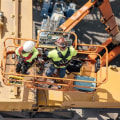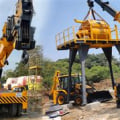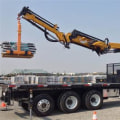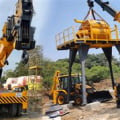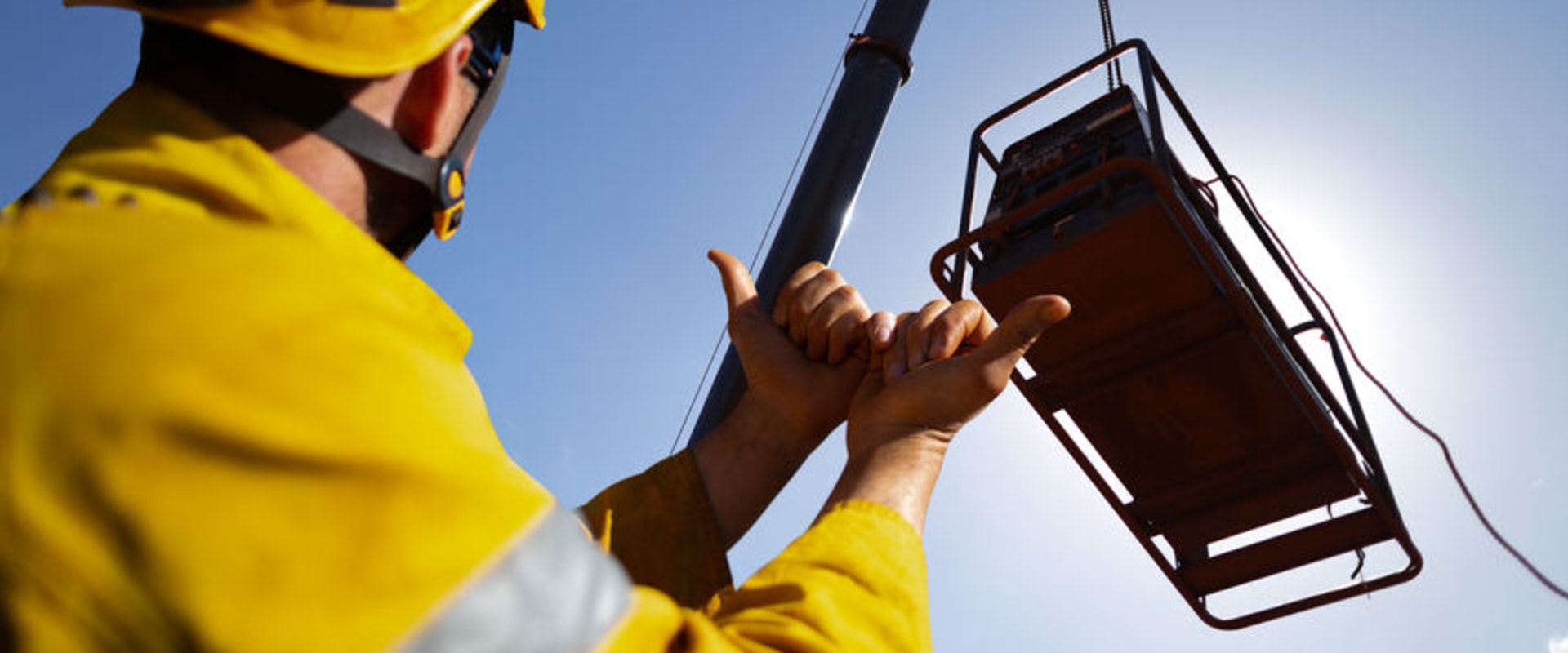
In the dynamic world of construction and heavy lifting, crane rental services play a pivotal role in ensuring projects are completed efficiently and safely. These services provide access to specialized equipment that is often too costly for companies to purchase outright. By renting cranes, businesses can leverage advanced technology and skilled operators without the long-term financial commitment, making it an attractive option for both large-scale projects and smaller jobs. However, with the convenience of crane rental services comes the responsibility of understanding the associated policies, particularly regarding damages and accidents. Construction sites are inherently risky environments, and the potential for mishaps is always present.
Therefore, it is crucial for both rental companies and clients to have clear agreements in place that outline liability, insurance coverage, and procedures for reporting incidents. Understanding these policies not only protects the rental company but also safeguards the interests of the client. A well-defined policy on damages or accidents can help mitigate disputes and ensure that all parties are aware of their responsibilities. As we delve deeper into this topic, we will explore common practices in crane rental policies, focusing on how they address damages and accidents to foster a safer working environment.
Overview of Crane Rental Services
Crane rental services provide a flexible and cost-effective solution for construction and industrial projects that require heavy lifting capabilities. These services allow businesses to access a variety of cranes without the need for significant capital investment in equipment.This overview will explore the types of cranes available for rent and the benefits of utilizing these services.
Types of Cranes for Rent
- Mobile Cranes: These versatile cranes can be easily transported to different job sites and are ideal for various lifting tasks.
- Tower Cranes: Commonly used in large construction projects, tower cranes offer height and lifting capacity, making them essential for skyscrapers and large buildings.
- Crawler Cranes: Equipped with tracks, these cranes provide stability on uneven terrain, making them suitable for construction sites with challenging conditions.
- Rough Terrain Cranes: Designed for off-road applications, rough terrain cranes are perfect for outdoor projects where mobility is crucial.
Benefits of Crane Rental
- Cost Efficiency: Renting cranes eliminates the need for large upfront purchases, allowing companies to allocate funds to other critical areas of their projects.
- Access to Latest Technology: Rental services often provide access to the latest crane models equipped with advanced technology, enhancing safety and efficiency.
- Maintenance and Support: Most rental companies offer maintenance services, ensuring that the equipment is in optimal condition without additional costs to the renter.
- Flexibility: Businesses can rent cranes based on specific project needs, adjusting their rental agreements as project requirements change.
Understanding Damages and Accidents in Crane Rentals
When engaging in crane rental services, understanding the potential for damages and accidents is crucial for both renters and rental companies. Cranes are powerful machines that, when operated improperly or in adverse conditions, can lead to significant incidents.Common Types of Damages in Crane Rentals
- Structural Damage: This includes damage to the crane itself, such as bent booms or broken cables, often resulting from overloading or improper setup.
- Property Damage: Cranes can inadvertently cause damage to surrounding structures, vehicles, or equipment if not operated with caution.
- Injury to Personnel: Accidents involving cranes can lead to serious injuries or fatalities, emphasizing the need for strict adherence to safety protocols.
Understanding Crane Accidents
Crane accidents can occur due to various factors, including:
- Poor Weather Conditions: High winds, rain, or snow can affect crane stability and visibility.
- Operator Error: Inadequate training or lack of experience can lead to miscalculations during operation.
- Mechanical Failures: Regular maintenance is essential; failure to address wear and tear can result in catastrophic failures.
Safety in Crane Operations
To mitigate risks associated with crane rentals, both renters and operators should prioritize safety. This includes:
- Comprehensive Training: Ensure that all operators are well-trained and certified in crane operation.
- Regular Inspections: Conduct thorough inspections before each use to identify any potential issues.
- Clearly Defined Protocols: Establish clear safety protocols and emergency procedures to follow in case of an accident.
Rental Company Policies on Damages
When engaging in crane rental services, understanding the policies surrounding damages is crucial for both the rental company and the client.Each company may have its own specific guidelines, but there are common elements that typically define these policies.
Liability for Damages
Most crane rental companies outline clear terms regarding liability for damages that occur during the rental period. Generally, the responsibility for any damage to the crane or third-party property falls on the renter. This means that if an accident occurs due to improper use or negligence, the renter may be held liable for repair costs and any associated damages.Insurance for Crane Rentals
To mitigate risks, many rental companies require clients to obtain insurance coverage specifically for crane rentals. This insurance typically covers:- Physical Damage: Protection against damage to the crane itself.
- Liability Coverage: Coverage for any third-party claims resulting from accidents involving the crane.
- Injury Protection: Coverage for injuries sustained by operators or bystanders during the rental period.
Some companies may offer their own insurance packages, which can simplify the process and provide peace of mind.
Additional Considerations
It’s also important to note that some rental agreements may include clauses that limit liability under certain conditions, such as mechanical failure not caused by operator error. Clients should thoroughly read and understand these terms before signing any contracts.In summary, being aware of a crane rental company's policies on damages and liability is essential. Proper insurance coverage not only protects the renter but also fosters a safer working environment, ensuring that both parties are safeguarded against unforeseen incidents.What to Do in Case of an Accident or Damage
In the event of an accident or damage involving the crane during your rental period, it is crucial to follow a systematic approach to ensure safety and compliance with your rental agreement. Here are the steps you should take:- Ensure Safety First: Before anything else, assess the situation to ensure that all personnel are safe.
If there are any injuries, call emergency services immediately.
- Stop Operations: Cease all crane operations to prevent further damage or accidents. This includes shutting down the crane and securing the area around it.
- Notify Your Rental Company: Contact your crane rental service provider as soon as possible. Provide them with details about the incident, including the time, location, and nature of the damage.
- Document the Incident: Take photographs of the crane and surrounding area to document the damage. This will be important for insurance claims and for your rental company’s records.
- Complete an Incident Report: Fill out any required incident report forms provided by your rental company.
Be thorough and accurate in your descriptions.
- Follow Emergency Procedures: Adhere to any emergency procedures outlined in your rental agreement. This may include specific steps for reporting accidents or contacting safety personnel.
- Review Your Rental Agreement: Familiarize yourself with the terms regarding damages and accidents. Understanding your responsibilities can help you navigate the situation more effectively.
Frequently Asked Questions about Crane Rental Policies
When renting cranes, understanding the policies regarding damages or accidents is crucial for both safety and financial planning.Here are some common questions and answers that can help clarify these policies:
- What happens if the crane is damaged during the rental period?
In most cases, the rental agreement will specify that the renter is responsible for any damages incurred while the crane is in their possession. This includes both minor and major damages. It’s essential to review your contract to understand your liability. - Are there insurance options available?
Yes, many crane rental services offer insurance options that can cover damages or accidents. It’s advisable to discuss these options with your rental provider to ensure you have adequate coverage during your rental period. - What should I do in case of an accident?
In the event of an accident, immediately contact your crane rental service provider.They will guide you through the necessary steps, which may include filing an incident report and notifying local authorities if required.
- Is there a deductible for insurance claims?
Depending on the insurance policy you choose, there may be a deductible that you will need to pay before coverage kicks in. Make sure to clarify this with your rental service to avoid unexpected costs. - Can I be held liable for third-party damages?
Yes, if the crane causes damage to third-party property or injuries to individuals, you may be held liable. This is another reason why having comprehensive insurance coverage is essential when renting cranes.
Conclusion: Key Takeaways on Crane Rental Policies
Understanding the policies surrounding crane rental services is crucial for both renters and rental companies.As we have discussed, accidents and damages can occur during the operation of cranes, and having a clear policy in place can mitigate risks and ensure accountability. Here are the key takeaways regarding policies on damages or accidents:
- Insurance Coverage: Always verify what type of insurance is included in your rental agreement. This can protect you from significant financial losses in case of an accident.
- Responsibility for Damages: Understand who is responsible for damages that occur during the rental period. Typically, the renter may be liable for damages caused by misuse or negligence.
- Reporting Procedures: Familiarize yourself with the procedures for reporting accidents or damages. Prompt reporting can help in resolving issues quickly and efficiently.
- Maintenance and Safety Checks: Ensure that the crane has undergone proper maintenance and safety checks before use.
This not only ensures compliance with safety regulations but also reduces the likelihood of accidents.
- Clear Communication: Maintain open lines of communication with your rental service provider. Discuss any concerns or questions regarding policies to avoid misunderstandings later on.