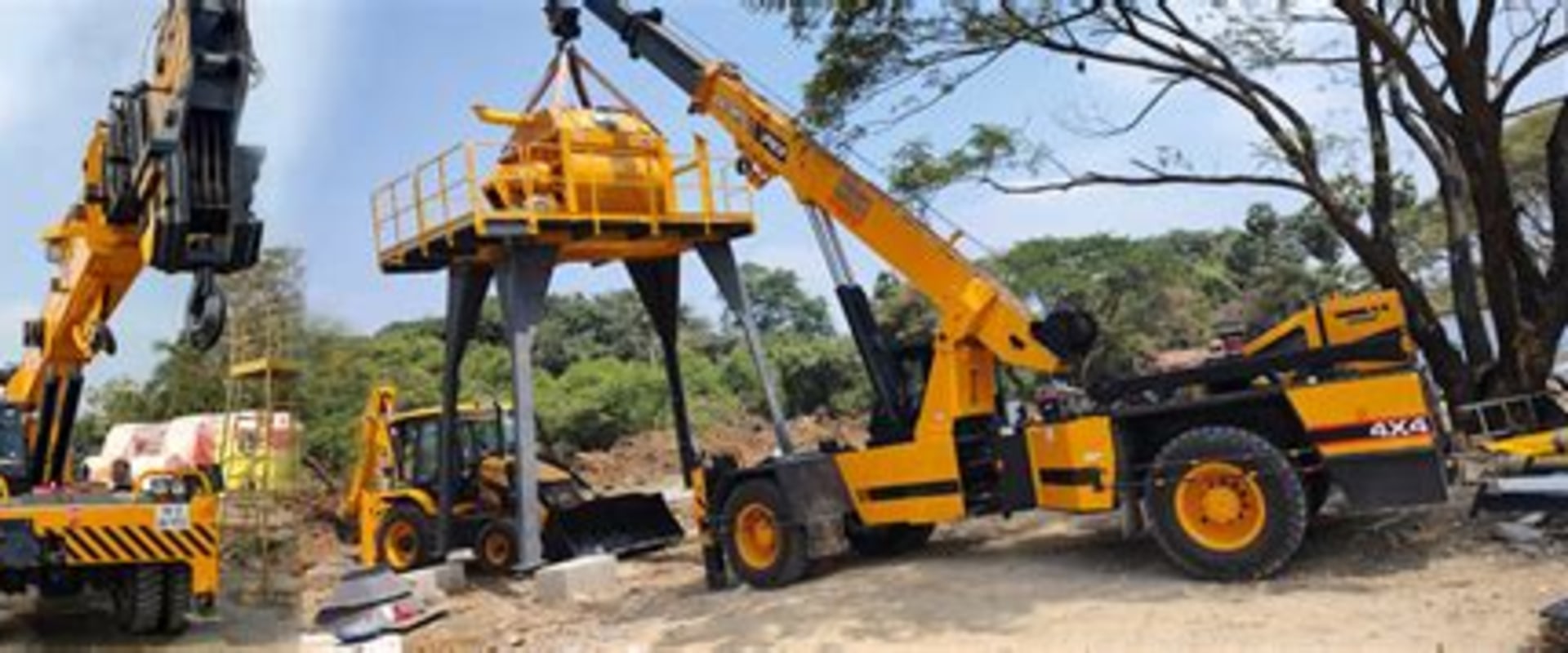
In the world of construction and heavy lifting, crane rental services play a pivotal role in ensuring projects are completed efficiently and safely. These services provide access to a variety of cranes, each designed for specific lifting tasks, making them indispensable for industries ranging from construction to manufacturing. By renting cranes, businesses can save on the substantial costs associated with purchasing and maintaining heavy machinery, while also benefiting from the expertise of rental companies that understand the nuances of lifting operations.Understanding the different types of cranes available for rent is crucial for selecting the right equipment for a job. From mobile cranes that offer flexibility on-site to tower cranes that provide height and stability for large structures, each type has its unique capabilities and limitations.
However, it’s not just about choosing the right crane; it’s also essential to consider the materials that can be lifted safely. This aspect is often governed by regulations and safety standards that dictate what can be handled by specific crane types.As we delve deeper into the topic, we will explore the various restrictions on lifting materials during crane rental services. Understanding these limitations is vital for ensuring compliance with safety regulations and preventing accidents on job sites. Whether you’re lifting steel beams, concrete blocks, or other heavy materials, knowing what your crane can handle will not only enhance operational efficiency but also safeguard your workforce and equipment.
Types of Cranes Available for Rental
When considering crane rental services, it is essential to understand the various types of cranes available, as each type has specific capabilities and limitations regarding the materials they can lift.Below are some common types of cranes you might encounter in rental services:
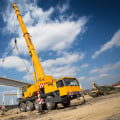
- Mobile Cranes: These versatile cranes are mounted on wheeled vehicles, allowing for easy transportation and setup. They are ideal for lifting materials in construction sites and can handle loads ranging from a few tons to over 100 tons, depending on the model.
- Tower Cranes: Commonly used in large construction projects, tower cranes provide height and stability. They are fixed to the ground and can lift heavy materials like steel beams and concrete blocks, making them suitable for high-rise buildings.
- Crawler Cranes: Equipped with tracks instead of wheels, crawler cranes offer excellent stability on uneven terrain. They are capable of lifting heavy loads and are often used in industrial applications where heavy machinery needs to be moved.
- Rough Terrain Cranes: Designed for off-road conditions, these cranes have large tires and a robust build.
They can lift heavy materials in challenging environments, such as construction sites with rough ground.
- Overhead Cranes: Typically found in warehouses and manufacturing facilities, overhead cranes move along a fixed track and are perfect for lifting heavy items like machinery or large containers.
Common Materials Lifted by Cranes
Cranes are essential tools in various industries, particularly in construction, manufacturing, and logistics. They are designed to lift a wide range of materials, but understanding the limitations and capabilities of crane rental services is crucial for effective project management.Common Materials Lifted by Cranes
- Construction Materials: Cranes are frequently used to lift heavy construction materials such as:
- Steel Beams: Essential for structural frameworks, steel beams can weigh several tons and require cranes with high lifting capacities.
- Concrete Blocks: Used in building foundations and walls, these blocks are heavy and often lifted in large quantities.
- Pipes: Large diameter pipes for plumbing or structural purposes are commonly lifted using cranes.
- Manufacturing Components: In manufacturing settings, cranes lift:
- Machinery Parts: Heavy machinery components that need to be moved during assembly or maintenance.
- Raw Materials: Items like metal sheets or large rolls of paper that require careful handling.
- Logistics and Shipping: In logistics, cranes are vital for:
- Shipping Containers: These can be extremely heavy and require specialized cranes for safe lifting and placement.
- Pallets of Goods: Cranes can efficiently move pallets loaded with various products in warehouses.
For instance, a tower crane can typically lift heavier loads than a mobile crane. Therefore, when renting a crane, it’s essential to consider the specific materials you plan to lift and ensure that the crane's specifications align with your project needs. Always consult with your crane rental service provider to determine the best equipment for your material handling requirements.
Regulatory Restrictions on Lifting Materials
When utilizing crane rental services, it is crucial to understand the regulatory restrictions that govern the types of materials that can be lifted. These regulations are designed to ensure safety and compliance with industry standards, protecting both workers and the public.Regulatory Framework
- The Occupational Safety and Health Administration (OSHA) sets forth guidelines that dictate safe crane operations, including the types of materials that can be lifted.
- Local and state regulations may impose additional restrictions based on specific environmental or safety concerns.
Lifting Restrictions
- Weight Limits: Each crane has a specified load capacity, which must not be exceeded.
Lifting materials beyond this limit can lead to catastrophic failures.
- Material Type: Certain hazardous materials, such as toxic chemicals or unstable loads, may be prohibited from being lifted due to safety risks.
- Load Stability: Materials that are not securely packaged or are prone to shifting during transport may also be restricted to prevent accidents.
Safety Standards
Compliance with safety standards is paramount in crane operations. Rental companies often require:
- Certification of operators to ensure they are trained in handling specific materials safely.
- Regular inspections of cranes to verify they meet safety regulations before being rented out.
Factors Influencing Material Restrictions in Crane Rentals
When considering crane rental services, several factors influence the types of materials that can be lifted. Understanding these factors is crucial for ensuring safety and compliance with regulations.Weight Limits
One of the primary restrictions in crane rentals is the weight limit of the crane itself.Each crane has a specified maximum load capacity, which must not be exceeded to prevent accidents and equipment damage. It is essential to accurately assess the weight of the materials to be lifted, including any additional equipment or rigging that may be involved.
Material Properties
The properties of the materials being lifted also play a significant role in determining what can be safely handled. For instance:- Density: Heavier materials, such as steel or concrete, may require cranes with higher load capacities.
- Shape: Irregularly shaped items may need special rigging techniques to ensure stability during lifting.
- Fragility: Delicate materials, like glass or certain types of machinery, may necessitate additional precautions to avoid breakage.
Environmental Considerations
The environmental conditions at the job site can also impose restrictions on material handling. Factors such as:- Wind Speed: High winds can affect the stability of lifted loads, especially for lighter materials.
- Ground Conditions: Soft or uneven ground may limit the type of crane that can be used and affect its lifting capabilities.
- Height Restrictions: Nearby structures or power lines can restrict the height at which materials can be lifted.
Proper planning and consultation with rental service providers can help mitigate risks and enhance operational efficiency.
FAQs About Crane Rental Services and Material Restrictions
When considering crane rental services, many clients have questions regarding the types of materials that can be lifted. Understanding these restrictions is crucial for ensuring safety and compliance with regulations.What Types of Materials Can Be Lifted?
Generally, cranes are designed to lift a wide variety of materials, including:- Construction materials: Steel beams, concrete blocks, and lumber.
- Heavy machinery: Excavators, generators, and other equipment.
- Industrial goods: Pallets of goods, containers, and raw materials.
Are There Restrictions on Weight?
Yes, each crane has a defined lifting capacity, which is the maximum weight it can safely lift. Exceeding this limit can lead to accidents or equipment failure. It’s essential to consult with your crane rental service provider to determine:- The specific lifting capacity of the crane you intend to rent.
- The weight of the materials you plan to lift.
Material Restrictions Based on Type
In addition to weight restrictions, certain materials may also have specific limitations:- Hazardous materials: Cranes may not be suitable for lifting hazardous substances without special equipment or permits.
- Unstable loads: Items that are not securely packaged or balanced can pose risks during lifting.
This will help avoid any potential issues during your lifting operations.
Conclusion: Key Takeaways on Crane Rental Material Restrictions
In conclusion, understanding the material restrictions associated with crane rental services is crucial for ensuring both safety and efficiency on the job site. Throughout this article, we have highlighted several key points that every contractor and project manager should consider when planning to rent a crane.- Weight Limits: Each crane has a specific weight capacity that must not be exceeded. It is essential to consult the crane's specifications and ensure that the materials being lifted fall within these limits.
- Material Type: Certain materials, such as hazardous substances or those that require special handling, may not be permitted for lifting. Always check with the rental service for their policies regarding specific materials.
- Load Stability: The stability of the load is paramount.
Materials that are unevenly distributed or unstable can pose significant risks during lifting operations.
- Local Regulations: Compliance with local laws and regulations regarding lifting operations is mandatory. These may include restrictions on specific materials or additional safety measures.
Prioritize safety and efficiency by making informed decisions about the materials you plan to lift.