In the realm of construction and heavy lifting, crane rental services play a pivotal role in ensuring projects are completed efficiently and safely. These services provide access to a variety of cranes, tailored to meet the specific needs of different jobs, from residential buildings to large-scale industrial projects. By renting cranes, companies can save on the substantial costs associated with purchasing and maintaining their own equipment, while also benefiting from the expertise of rental service providers. However, one critical aspect that often comes into play when utilizing rental crane services is the limitations on operation hours. Understanding these limitations is essential for project managers and contractors alike, as they can significantly impact project timelines and overall productivity.
Many rental companies impose specific operational hours based on local regulations, safety standards, or logistical considerations. This means that while a crane may be available for rent, its usage might be restricted to certain times of the day or week. As we delve deeper into this topic, it becomes clear that being aware of these rental crane limitations is not just about compliance; it’s about strategic planning. Knowing when a crane can operate allows teams to schedule their work more effectively, ensuring that all necessary tasks are completed within the designated time frame. In the following sections, we will explore these operational constraints in detail and discuss how they can affect your project planning and execution.
Understanding Crane Rental Services
Crane rental services provide a flexible and cost-effective solution for construction and industrial projects that require heavy lifting capabilities.These services allow businesses to access a variety of cranes without the need for a significant capital investment in equipment. This is particularly beneficial for companies that may only need cranes for short-term projects or specific tasks.There are several types of cranes available for rent, each designed to meet different lifting needs:
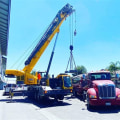
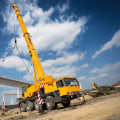
- Mobile Cranes: Versatile and easy to transport, mobile cranes can be used in various locations and are ideal for construction sites.
- Tower Cranes: Commonly used in high-rise construction, tower cranes provide exceptional height and lifting capacity.
- Crawler Cranes: Equipped with tracks, these cranes are perfect for rough terrain and can handle heavy loads.
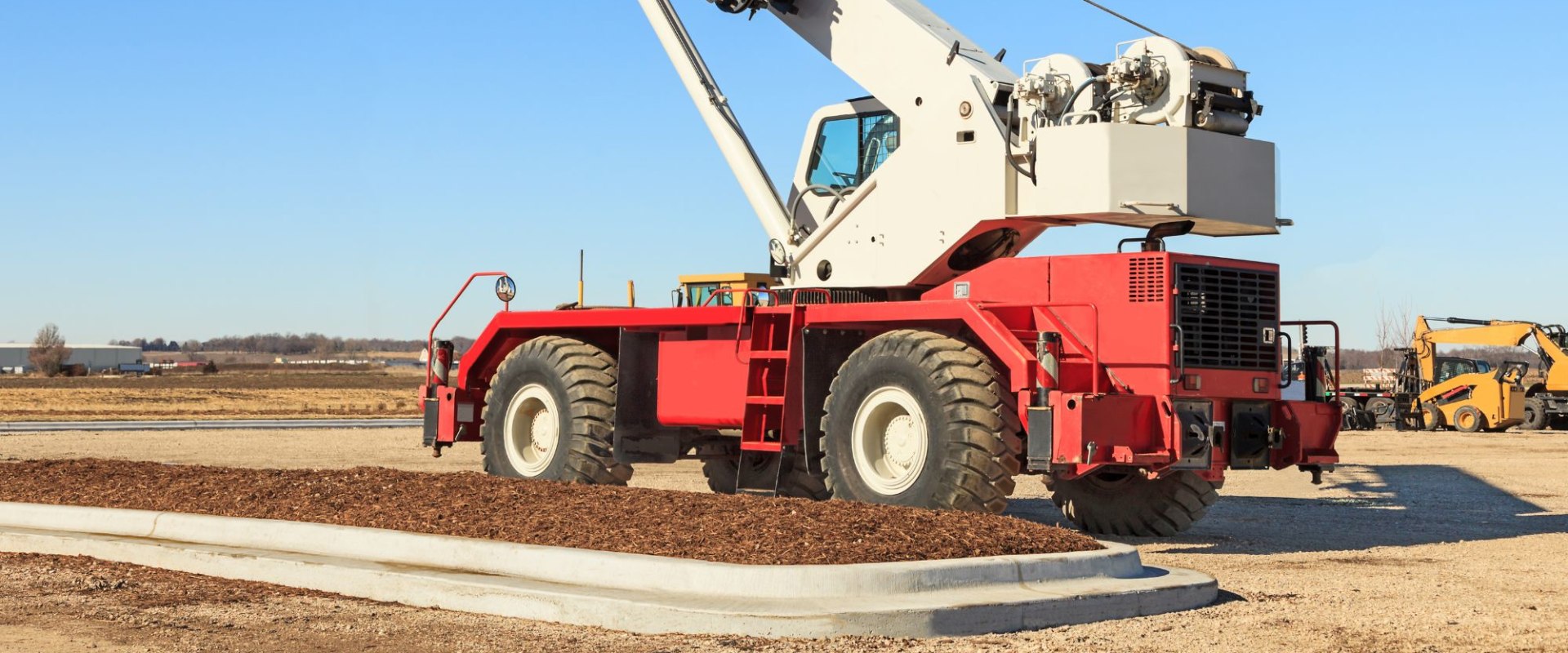
- Rough Terrain Cranes: Designed for off-road conditions, these cranes offer stability and mobility on uneven surfaces.
- Cost Efficiency: Renting eliminates the need for maintenance, storage, and insurance costs associated with owning a crane.
- Access to Latest Technology: Rental companies often update their fleet, allowing clients to use the latest models equipped with advanced features.
- Expert Support: Many rental services provide operators and technicians, ensuring that projects run smoothly and safely.
- Flexibility: Businesses can rent cranes for as long as needed, whether it’s a few days or several months, adapting to project timelines without financial strain.
Regulatory Framework Governing Crane Operations
The operation of cranes is subject to a comprehensive regulatory framework that ensures safety and compliance across various jurisdictions. Understanding these regulations is crucial for both crane rental services and operators to avoid legal complications and ensure safe working conditions.Crane Operation Regulations
- Crane operations are governed by federal, state, and local regulations, which can vary significantly.
The Occupational Safety and Health Administration (OSHA) sets forth national standards that must be adhered to, including guidelines on crane inspections, operator qualifications, and load limits.
- In addition to OSHA regulations, many states have their own specific laws that may impose stricter requirements. For instance, some states require additional certifications for crane operators or mandate specific safety training programs.
Safety Standards for Cranes
- Safety standards are paramount in crane operations. These include regular maintenance checks, adherence to load capacities, and the use of appropriate safety gear. Rental companies are responsible for ensuring that their cranes meet these safety standards before they are rented out.
- Furthermore, operators must be trained in recognizing potential hazards associated with crane operations, such as electrical lines or unstable ground conditions.
Local Laws on Crane Rentals
- Local laws can impose additional restrictions on crane rental services, including limitations on operating hours.
For example, some municipalities may restrict crane operations during nighttime hours to minimize noise disturbances.
- It is essential for renters to check with local authorities regarding any permits required for crane operation and any specific regulations that may affect their project timelines.
Common Limitations on Crane Operation Hours
When considering crane rental services, it is essential to understand that there are often specific limitations on the hours of operation. These restrictions can vary significantly based on several factors, including local regulations, project requirements, and environmental considerations.Local Ordinances
Many municipalities have established local ordinances that dictate when construction activities, including crane operations, can take place. These laws are typically designed to minimize noise and disruption in residential areas.For instance, some cities may restrict crane operations to weekdays during standard business hours, while others might impose additional limitations on weekends or holidays.
Noise Restrictions
Noise restrictions are another common factor affecting crane operation hours. In urban settings, where noise pollution can be a significant concern, rental services may be required to limit their operations to specific times of day. This is particularly relevant for projects near schools, hospitals, or residential neighborhoods where excessive noise could disrupt daily activities.Safety Considerations
Safety is paramount in any construction project, and this extends to the operation of cranes. Certain conditions, such as adverse weather or low visibility, may necessitate halting operations regardless of the scheduled hours.Additionally, if a site is deemed unsafe for any reason—such as unstable ground or nearby hazards—crane operations may be restricted until the issues are resolved.
Project-Specific Requirements
Finally, the nature of the project itself can impose its own limitations on crane operation hours. For example, if a project involves sensitive materials or requires precise timing for coordination with other contractors, the rental service may need to adjust its operational hours accordingly.In summary, understanding the limitations on crane operation hours is crucial for effective planning and execution of construction projects. By being aware of local ordinances, noise restrictions, safety considerations, and project-specific requirements, contractors can ensure compliance and maintain smooth operations throughout the rental period.Factors Influencing Crane Rental Service Hours
When considering crane rental services, several factors can significantly influence the hours of operation. Understanding these factors is crucial for project managers and contractors to optimize their schedules and budgets.Weather Conditions
One of the most significant factors affecting crane operation hours is weather conditions.Adverse weather, such as heavy rain, strong winds, or snow, can halt crane operations due to safety concerns. For instance, cranes are typically not operated in winds exceeding 20-25 mph, as this can compromise stability and safety. Additionally, extreme temperatures can affect the machinery's performance and the safety of the crew. Therefore, it is essential to monitor weather forecasts closely and plan crane usage accordingly.
Project Timelines
The project timeline also plays a critical role in determining crane rental hours.Projects with tight deadlines may require extended hours of operation, including nights or weekends. However, this is subject to local regulations and noise ordinances that may limit operational hours during certain times. It’s important for contractors to communicate with crane rental companies about their specific needs and any potential restrictions that may apply.
Regulatory Compliance
Local regulations can impose additional limitations on crane operations. Many municipalities have specific laws regarding noise levels and operational hours, especially in residential areas.Understanding these regulations is vital for ensuring compliance and avoiding fines or project delays.
Equipment Availability
The availability of equipment can also influence operational hours. If a specific crane model is in high demand, it may not be available for extended periods, limiting the hours a contractor can utilize it. Planning ahead and reserving equipment well in advance can help mitigate this issue.In summary, various factors such as weather conditions, project timelines, regulatory compliance, and equipment availability all play a crucial role in determining the operational hours of cranes during rental services. By understanding these influences, contractors can better plan their projects and ensure efficient use of crane rental services.FAQs About Crane Rental Service Hours
When considering crane rental services, many potential renters have questions regarding the hours of operation.Understanding these limitations is crucial for effective project planning and execution.
What are the typical hours of operation for crane rental services?
Most crane rental services operate during standard business hours, typically from 7 AM to 5 PM, Monday through Friday. However, some companies may offer extended hours or weekend services depending on demand and availability. It’s essential to check with your specific rental provider for their exact operating hours.Are there restrictions on crane operation during certain times?
Yes, there can be restrictions based on local regulations, noise ordinances, and safety considerations. For instance, some municipalities may prohibit crane operations during nighttime hours to minimize noise disturbances.Always consult with your rental service and local authorities to ensure compliance with any regulations that may affect your project.
How can I manage my crane rental schedule effectively?
- Plan Ahead: Schedule your crane rental well in advance to secure availability during your desired hours.
- Communicate Clearly: Discuss your project timeline and any specific needs with the rental company to ensure they can accommodate your schedule.
- Be Flexible: If possible, allow for some flexibility in your schedule to adapt to any unforeseen circumstances or delays.
Best Practices for Scheduling Crane Rentals
When it comes to crane rental services, effective scheduling is crucial for maximizing productivity and ensuring that projects stay on track. Here are some best practices to consider when planning your crane rental:- Understand Operational Limitations: Before scheduling, familiarize yourself with the operational hours of the crane rental service. Many companies have specific hours during which their cranes can operate, often influenced by local regulations or noise ordinances.
- Plan Ahead: Schedule your crane rental well in advance.
This not only ensures availability but also allows you to coordinate with other contractors and avoid potential delays.
- Optimize Usage: To make the most of your rental time, plan the sequence of lifts carefully. Group tasks that require the crane to minimize downtime and maximize efficiency.
- Communicate with Your Rental Provider: Maintain open lines of communication with your crane rental service. Discuss your project timeline and any potential changes that may affect the crane's operation hours.
- Monitor Weather Conditions: Weather can significantly impact crane operations. Keep an eye on forecasts and be prepared to adjust your schedule if adverse conditions arise.
Remember, a well-planned schedule not only enhances productivity but also contributes to safety on the job site.
Conclusion: Key Takeaways on Crane Rental Service Hours
In summary, understanding the limitations on the hours of operation for cranes during rental services is crucial for effective project planning and execution. Here are the key takeaways:- Local Regulations: Many regions have specific laws governing construction hours, which can directly impact crane operation. It’s essential to check local ordinances to avoid fines or project delays.
- Rental Company Policies: Different rental companies may have varying policies regarding operational hours. Some may offer 24/7 service, while others might restrict operations to standard business hours.
- Project Scheduling: Knowing the available hours for crane operation helps in creating a realistic project timeline.
This ensures that all tasks dependent on crane usage are scheduled appropriately to avoid downtime.
- Noise Restrictions: In urban areas, noise ordinances can limit crane operations during certain hours, particularly at night or early morning. Understanding these restrictions is vital for maintaining good relations with the community.
- Cost Implications: Extended rental hours may incur additional costs. It’s important to factor these into your budget when planning your project.