In the ever-evolving landscape of construction and heavy lifting, crane rental services have emerged as a vital resource for businesses seeking efficiency and flexibility. These services provide access to a wide range of cranes, tailored to meet the specific needs of various projects, from towering skyscrapers to intricate bridge constructions. Understanding the nuances of crane rental is essential for project managers and contractors alike, as it can significantly impact both timelines and budgets. One of the critical factors to consider when utilizing crane rental services is the size limitations associated with different types of cranes. Each crane type, whether it be a mobile crane, tower crane, or crawler crane, comes with its own set of specifications that dictate its lifting capacity and operational reach.
These limitations are not merely technical details; they play a crucial role in ensuring safety and compliance on job sites. Selecting the right crane size is paramount to avoid potential hazards and inefficiencies during operation. Moreover, understanding the various types of cranes available for rent can help businesses make informed decisions that align with their project requirements. From compact models suitable for tight urban spaces to larger cranes designed for heavy-duty tasks, the diversity in crane options allows for tailored solutions that enhance productivity. As we delve deeper into this topic, we will explore the implications of crane size limitations and how they affect project execution in the construction industry.
Types of Cranes Available for Rent
When considering crane rental services, it’s essential to understand the different types of cranes available, as each type has its own unique capabilities and size limitations.Here are some of the most common types of cranes you can rent:
- Mobile Cranes: These versatile cranes are mounted on wheeled vehicles, allowing for easy transportation and setup. Mobile cranes come in various sizes, from small truck-mounted models to larger all-terrain versions. Their size can limit their lifting capacity, so it’s crucial to assess the specific requirements of your project.
- Tower Cranes: Often used in construction projects, tower cranes are fixed to the ground and can reach impressive heights. They are designed for heavy lifting and can handle substantial loads, but their size and height can pose challenges in urban environments.
Understanding the site layout is vital to ensure that a tower crane can be safely erected.
- Crawler Cranes: These cranes are equipped with tracks instead of wheels, providing stability on uneven terrain. Crawler cranes can lift heavy loads and are often used in large construction sites. However, their size and weight can limit their mobility, making them less suitable for smaller projects.
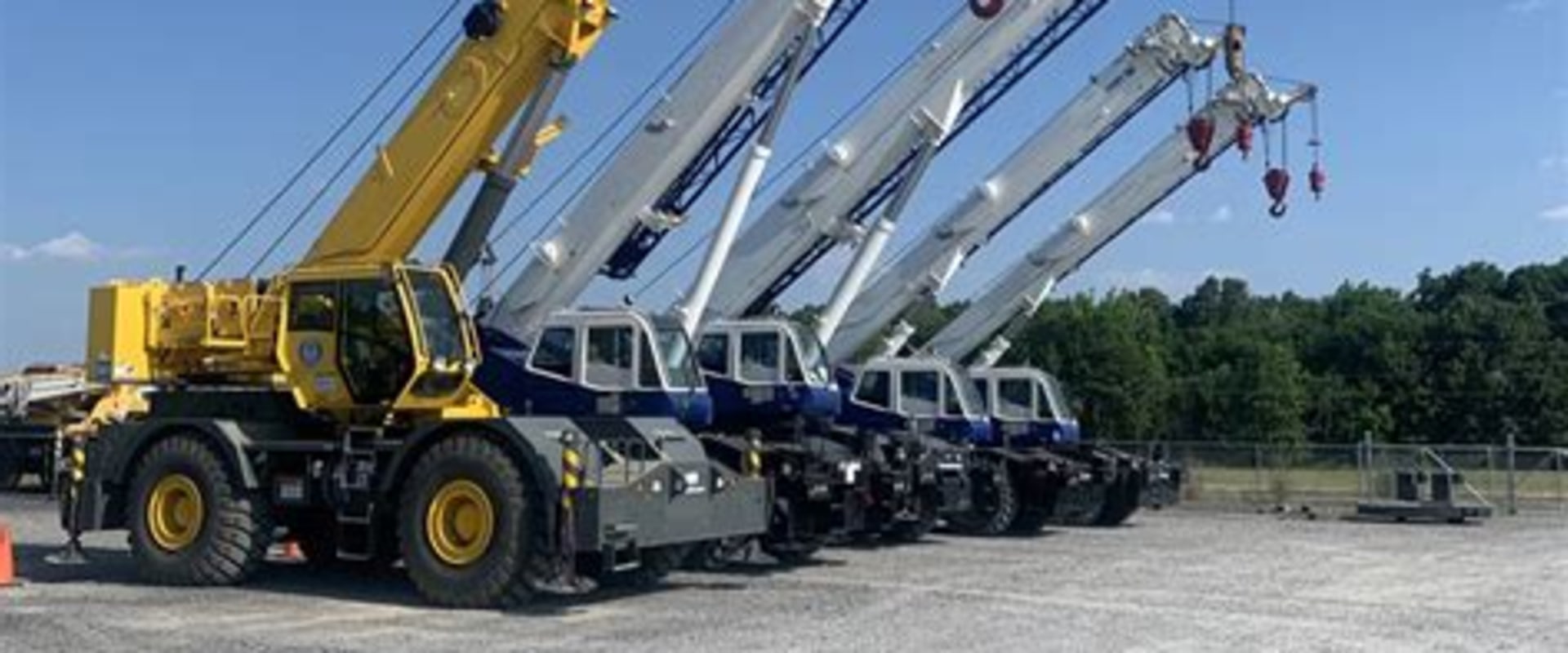
- Rough Terrain Cranes: Designed for off-road conditions, rough terrain cranes have large tires and a robust build. They offer excellent maneuverability on challenging surfaces but may have size restrictions when it comes to lifting capacity compared to other crane types.
When selecting a crane for rental, it’s important to consider not only the type but also the specific dimensions and weight limits associated with each model. This understanding will help ensure that you choose the right crane for your project while adhering to any size limitations that may apply.
Understanding Crane Size Limitations
When considering crane rental services, understanding the specific size limitations of cranes is essential for ensuring safety and efficiency on the job site. These limitations primarily revolve around two key factors: maximum crane height and weight capacity.Maximum Crane Height
The maximum height a crane can reach is influenced by its design and the type of crane being used. For instance, tower cranes, commonly used in construction, can extend to impressive heights, often exceeding 200 feet.However, this height can vary based on the crane's configuration and the specific project requirements. It's crucial to consult with your crane rental service provider to determine the appropriate crane type that meets your height needs while adhering to local regulations and safety standards.
Weight Capacity of Cranes
Another critical limitation is the weight capacity of cranes, which varies significantly among different models. Cranes are rated for specific load capacities, typically ranging from a few tons to over 1,000 tons for heavy-lift cranes. Exceeding these limits can lead to catastrophic failures, making it vital to accurately assess the weight of the materials being lifted.- Mobile Cranes: Generally have a lower weight capacity compared to fixed cranes but offer greater flexibility in movement.
- Crawler Cranes: Known for their stability and higher lifting capacities, making them suitable for heavy loads.
- Rough Terrain Cranes: Designed for off-road conditions, these cranes have moderate lifting capacities but excel in challenging environments.
This includes not only understanding the maximum height and weight limitations but also considering factors such as ground conditions and site accessibility. By doing so, you can ensure that you select the right crane for your needs, ultimately leading to a safer and more efficient operation.
Factors Influencing Crane Size Limitations
When considering crane rental services, understanding the factors that influence crane size limitations is crucial for ensuring safety and efficiency on the job site. Several key elements come into play when determining the appropriate crane size for a specific project.Site Conditions
The physical characteristics of the job site significantly impact crane size limitations. Factors such as:- Ground Stability: The type of soil and its load-bearing capacity can restrict the size of the crane.
Soft or unstable ground may require smaller cranes or additional support.
- Space Constraints: Limited space can hinder the maneuverability of larger cranes, making smaller models more suitable for tight areas.
- Height Restrictions: Nearby structures, power lines, or other obstacles can limit the height a crane can safely operate.
Load Requirements
The weight and dimensions of the load being lifted are critical in determining crane size. Considerations include:- Weight of the Load: Heavier loads necessitate larger cranes with higher lifting capacities.
- Load Shape and Size: Irregularly shaped or oversized loads may require specialized cranes to ensure safe handling.
Safety Regulations
Compliance with local safety regulations also plays a vital role in crane size selection. Regulations may dictate:- Maximum Load Limits: Adhering to specified load limits is essential to prevent accidents and ensure worker safety.
- Operational Guidelines: Certain regulations may require specific types of cranes for particular tasks, influencing the choice of equipment.
Common Misconceptions About Crane Sizes
When it comes to crane rental services, many potential customers harbor misconceptions about crane sizes and their capabilities.Understanding these myths is crucial for making informed decisions when renting a crane for your project.
- Myth 1: Bigger Cranes Are Always Better
While larger cranes can lift heavier loads, they are not always the best choice for every job. The size of the crane should be matched to the specific requirements of the project, including the weight of the load, the height needed, and the space available for operation. In some cases, a smaller crane may be more efficient and cost-effective. - Myth 2: All Cranes Have the Same Lifting Capacity
Cranes come in various types, each designed for different lifting capacities and applications. For instance, a tower crane is ideal for construction sites with high vertical lifts, while a rough terrain crane is better suited for off-road conditions.Understanding the specific capabilities of each crane type is essential for selecting the right one.
- Myth 3: Crane Size Is Solely Determined by Load Weight
While load weight is a significant factor, other elements such as reach, height, and ground conditions also play critical roles in determining the appropriate crane size. A thorough assessment of all these factors will lead to a more accurate selection. - Myth 4: Renting a Crane Is Complicated
Many people believe that renting a crane involves complex procedures and hidden costs. However, reputable crane rental services provide clear guidelines and transparent pricing structures. They often offer expert consultations to help clients choose the right equipment based on their specific needs.
This knowledge not only enhances project efficiency but also ensures safety on site.
FAQs About Crane Size Limitations in Rental Services
When considering crane rental services, many clients have questions regarding size limitations. Understanding these limitations is crucial for ensuring that the right equipment is selected for the job. Here are some frequently asked questions:What are the typical size limitations for cranes in rental services?
The size limitations for cranes can vary significantly based on the type of crane and the rental company. Generally, cranes can range from small mobile cranes with a lifting capacity of around 10 tons to large tower cranes capable of lifting over 1,000 tons.It's essential to consult with your crane rental service provider to determine the specific models available and their respective capacities.
How do site conditions affect crane size selection?
Site conditions play a vital role in determining the appropriate crane size. Factors such as:- Ground stability: Soft or uneven ground may limit the size of the crane that can be safely operated.
- Height restrictions: Nearby structures or overhead lines can restrict the height of cranes.
- Space availability: Limited space may necessitate smaller cranes or specialized equipment.
Can I rent a crane that exceeds my project’s needs?
While it is possible to rent larger cranes than necessary, it is often not cost-effective. Larger cranes typically come with higher rental rates and operational costs. It’s advisable to work closely with your crane rental service provider to evaluate your project requirements and select a crane that meets your needs without excess capacity.Are there any regulations regarding crane sizes?
Yes, there are regulations that govern crane operations, including size limitations based on local laws and safety standards.These regulations can dictate the maximum allowable height and weight for cranes used in specific areas. Always check with local authorities and your crane rental service to ensure compliance with all applicable regulations.By addressing these common questions about crane size limitations, you can make informed decisions when utilizing crane rental services, ensuring both safety and efficiency on your project.
Conclusion: Key Takeaways on Crane Size Limitations
In conclusion, understanding the size limitations of cranes is crucial for anyone considering crane rental services. These limitations can significantly impact project planning, safety, and overall efficiency. Here are the key takeaways:- Weight Capacity: Each crane has a specific weight limit that it can safely lift.
Exceeding this limit can lead to catastrophic failures, making it essential to choose a crane that matches the load requirements of your project.
- Height Restrictions: The height at which a crane can operate is also limited by its design and the environment. Factors such as nearby structures, power lines, and zoning laws must be considered when selecting a crane.
- Reach and Radius: The reach of a crane is determined by its boom length and configuration. Understanding the required radius for your lifting tasks will help in selecting the right equipment.
- Site Conditions: The physical characteristics of the job site, including ground stability and space constraints, can affect crane size selection. A thorough site assessment is necessary to ensure safe operation.
- Regulatory Compliance: Local regulations may impose additional restrictions on crane operations, including size limitations.
Always check with local authorities to ensure compliance.