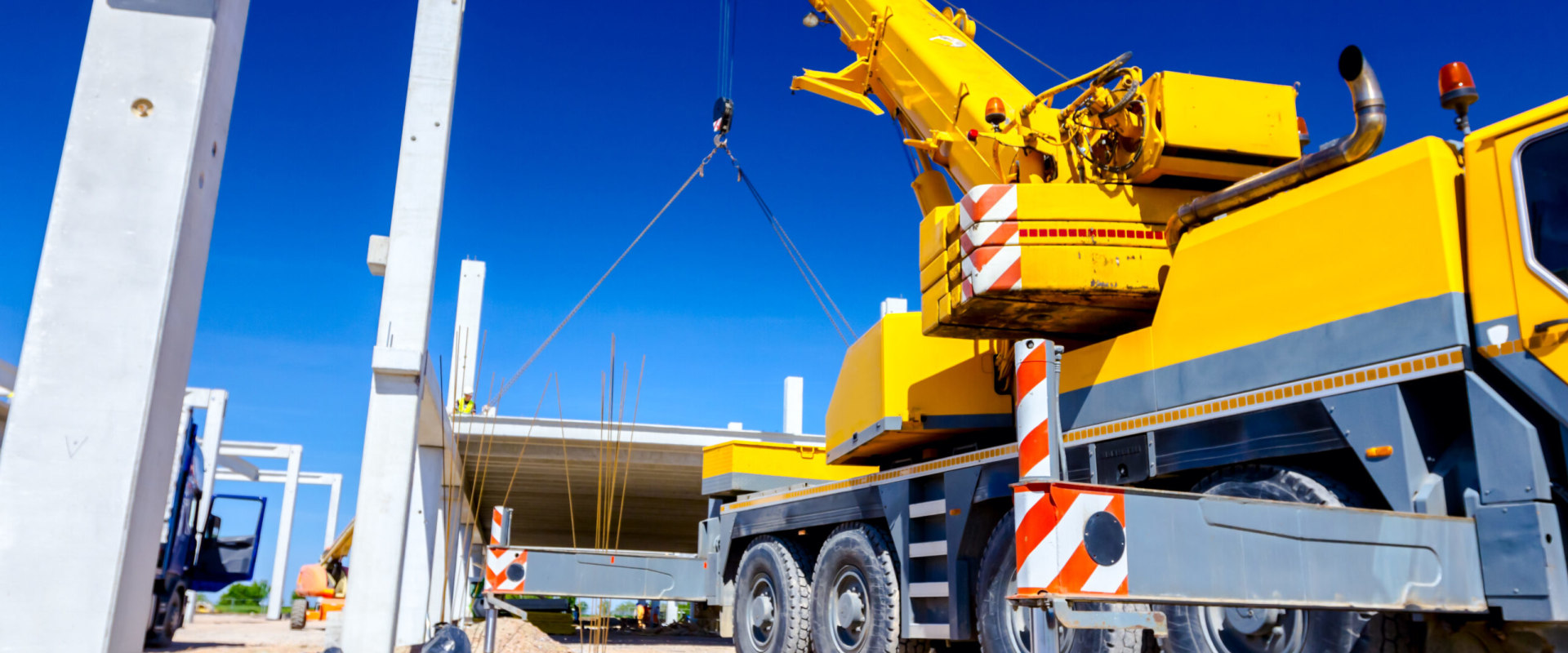
When it comes to construction and heavy lifting, crane rental services play a pivotal role in ensuring projects are completed efficiently and safely. Whether you are managing a large-scale construction site or a smaller renovation project, understanding the rental cost for a crane is essential for budgeting and planning. The demand for cranes has surged in recent years, driven by urban development and infrastructure projects, making it crucial for contractors and project managers to grasp the nuances of crane rental pricing. The cost of renting a crane can vary significantly based on several factors, including the type of crane required, the duration of the rental, and the specific needs of your project. For instance, larger cranes capable of lifting heavier loads typically come with higher rental fees compared to smaller models.
Additionally, geographical location can influence pricing; urban areas may see elevated costs due to increased demand and logistical challenges. Moreover, many crane rental services offer flexible pricing structures that can accommodate both short-term and long-term projects. Understanding these options can help you make informed decisions that align with your budget while ensuring you have the right equipment for the job. As we delve deeper into this topic, we will explore the various factors that affect crane rental pricing, providing you with valuable insights to navigate the rental landscape effectively.
Factors Influencing Crane Rental Costs
When considering crane rental services, several key factors influence the overall cost. Understanding these elements can help you budget effectively and choose the right crane for your project.Type of Crane
The type of crane you need plays a significant role in determining rental costs.Different cranes serve various purposes:
- Mobile Cranes: These are versatile and can be used for a range of projects, but they may come at a higher rental price due to their flexibility.
- Tower Cranes: Typically used for construction projects, these cranes are more expensive to rent due to their height and lifting capacity.
- Crawler Cranes: Known for their stability on uneven terrain, crawler cranes can also be costly, especially for long-term rentals.
Duration of Rental
The length of time you need the crane will significantly affect the rental cost. Most companies offer:- Daily Rates: Ideal for short-term projects, but costs can add up quickly.
- Weekly Rates: Often more economical for medium-term projects.
- Monthly Rates: Best suited for long-term projects, providing the most savings.
Location
Your project's location can also impact crane rental pricing. Factors include:- Distance from Rental Company: Longer distances may incur additional transportation fees.
- Local Regulations: Some areas have specific permits or fees that can increase costs.
Types of Cranes Available for Rent
When considering crane rental services, it's essential to understand the various types of cranes available for rent, as each type comes with its own specifications and associated costs. Here’s a breakdown of the most common crane types and how they can impact your rental expenses.- Mobile Cranes: These versatile cranes are mounted on wheeled vehicles, making them ideal for construction sites that require mobility.
Rental costs typically range from $200 to $1,500 per day, depending on the crane's capacity and features.
- Static Cranes: Also known as tower cranes, these are fixed to the ground and are commonly used in large construction projects. Their rental prices can vary significantly, often between $1,000 and $3,000 per month, influenced by height and lifting capacity.
- Crawler Cranes: Equipped with tracks instead of wheels, crawler cranes offer stability on uneven terrain. Their rental costs can be higher, generally ranging from $1,500 to $4,000 per day due to their robust capabilities.
- Rough Terrain Cranes: Designed for off-road conditions, these cranes are perfect for outdoor projects. Expect rental fees between $800 and $2,500 per day based on their lifting power and reach.
- Overhead Cranes: Commonly used in warehouses and manufacturing facilities, these cranes are fixed overhead and can be rented for about $500 to $1,500 per day.
Their cost is influenced by span length and lifting capacity.
Average Rental Costs for Different Crane Types
When considering crane rental services, understanding the average rental costs for different types of cranes is crucial for budgeting your project effectively. The cost of renting cranes can vary significantly based on the type of crane, its lifting capacity, and the duration of the rental.Average Costs by Crane Type
- Mobile Cranes: Typically, mobile cranes are among the most versatile and widely used. The average rental cost ranges from $200 to $1,500 per day, depending on the crane's size and capacity.
- Tower Cranes: Ideal for construction projects requiring height, tower cranes can cost between $1,000 and $3,000 per month.
Their pricing reflects their ability to handle heavy loads at significant heights.
- Crawler Cranes: Known for their stability and mobility on rough terrain, crawler cranes usually have a rental cost of $1,200 to $2,500 per day. Their pricing is influenced by their lifting capacity and operational complexity.
- Rough Terrain Cranes: These cranes are designed for off-road applications and typically range from $800 to $2,000 per day. Their unique design allows them to navigate challenging job sites.
- Overhead Cranes: Commonly used in warehouses and manufacturing facilities, overhead cranes can be rented for about $500 to $1,500 per day, depending on their specifications.
Always request a detailed quote from your crane rental service provider to ensure you understand the total cost involved.By comparing the average costs associated with different crane types, you can make an informed decision that aligns with your project needs and budget constraints.
Additional Costs to Consider When Renting a Crane
When considering crane rental services, it’s essential to look beyond the base rental price. Various additional fees can significantly impact the total cost of your crane rental. Understanding these costs upfront can help you budget more effectively and avoid surprises.Delivery and Pickup Fees
One of the most common additional costs is the delivery and pickup fee. Depending on the distance from the rental company to your job site, these fees can vary widely.Some companies may offer free delivery within a certain radius, while others may charge a flat rate or a per-mile fee. Always inquire about these charges when obtaining quotes.
Insurance Costs
Insurance is another critical factor to consider. Many rental companies require you to have liability insurance to cover any potential damages or accidents that may occur during the rental period. This insurance can be an added expense, so it’s wise to check if your existing policy covers crane operations or if you need to purchase additional coverage.Operator Fees
If you don’t have a qualified operator on your team, you may need to hire one from the rental company.Operator fees can vary based on experience and location, and they are often charged on an hourly basis. Make sure to factor in these costs when calculating your overall budget for crane rental services.
Permits and Site Preparation
Depending on your project, you may also need special permits for crane operation, especially in urban areas or near public roads. The cost of obtaining these permits can add up quickly. Additionally, site preparation may be necessary to ensure safe crane operation, which could involve grading or clearing obstacles.In summary, when budgeting for crane rental services, it’s crucial to account for these hidden costs.By doing so, you can ensure that your project stays within budget and runs smoothly from start to finish.
How to Choose the Right Crane Rental Service
Choosing the right crane rental service is crucial for ensuring your project runs smoothly and efficiently. Here are some key factors to consider when evaluating potential companies:- Reputation and Experience: Look for companies with a solid track record in the industry. Check online reviews, testimonials, and ask for references to gauge their reliability.
- Range of Equipment: Ensure the company offers a variety of cranes suitable for your specific needs. Different projects may require different types of cranes, so having options is essential.
- Safety Standards: Verify that the rental service adheres to safety regulations and has a good safety record.
Ask about their maintenance practices and whether they conduct regular inspections on their equipment.
- Insurance and Licensing: Confirm that the company is fully licensed and insured. This protects you from liability in case of accidents or damages during the rental period.
- Customer Service: Evaluate their customer support. A responsive and knowledgeable team can make a significant difference, especially if you encounter issues during your rental.
- Read the Fine Print: Carefully review all terms and conditions, including rental duration, fees, and any additional charges that may apply.
- Ask About Delivery and Pickup: Clarify who is responsible for transporting the crane to and from your site, as this can impact overall costs.
- Inquire About Support Services: Some companies offer operators or technical support as part of the rental package.
Determine if this is necessary for your project.
Frequently Asked Questions About Crane Rental Costs
When considering crane rental services, potential renters often have several questions regarding costs and logistics. Here are some of the most frequently asked questions:- What factors influence crane rental costs?
The cost of renting a crane can vary significantly based on several factors, including the type of crane needed, the duration of the rental, and the specific requirements of the job site. For instance, larger cranes or specialized equipment may come with higher rental fees. - Are there additional fees associated with crane rentals?
Yes, in addition to the base rental fee, there may be additional costs such as delivery and pickup charges, operator fees, and insurance. It's essential to clarify these potential extra costs with your crane rental service provider before finalizing your agreement. - How long can I rent a crane for?
Most companies offer flexible rental periods ranging from daily to monthly rates.Depending on your project’s needs, you can choose a short-term or long-term rental option.
- Do I need to provide an operator for the crane?
Many crane rental services include an operator in their rental package. However, if you have a certified operator on your team, some companies may allow you to rent the crane without one. - What is the average cost of renting a crane?
While prices can vary widely based on location and crane type, you can generally expect to pay anywhere from $200 to $1,500 per day. For longer rentals, discounts may be available.
Conclusion: Key Takeaways on Crane Rental Costs
In conclusion, understanding the rental cost for crane services is essential for businesses and contractors looking to optimize their project budgets.Throughout this article, we have explored various factors that influence crane rental prices, including the type of crane, rental duration, and additional services.
Key takeaways include:
- Type of Crane: The specific type of crane required for a job significantly impacts rental costs. For instance, a tower crane may be more expensive than a smaller mobile crane due to its capabilities and size.
- Rental Duration: Most crane rental services offer flexible pricing based on the length of the rental period. Longer rentals often come with discounted rates, making it crucial to assess project timelines accurately.
- Location: Geographic location can also affect costs. Urban areas may have higher rental prices due to demand and logistical challenges compared to rural locations.
- Additional Services: Services such as transportation, setup, and operator fees can add to the overall cost.
It’s important to clarify what is included in the rental agreement to avoid unexpected expenses.