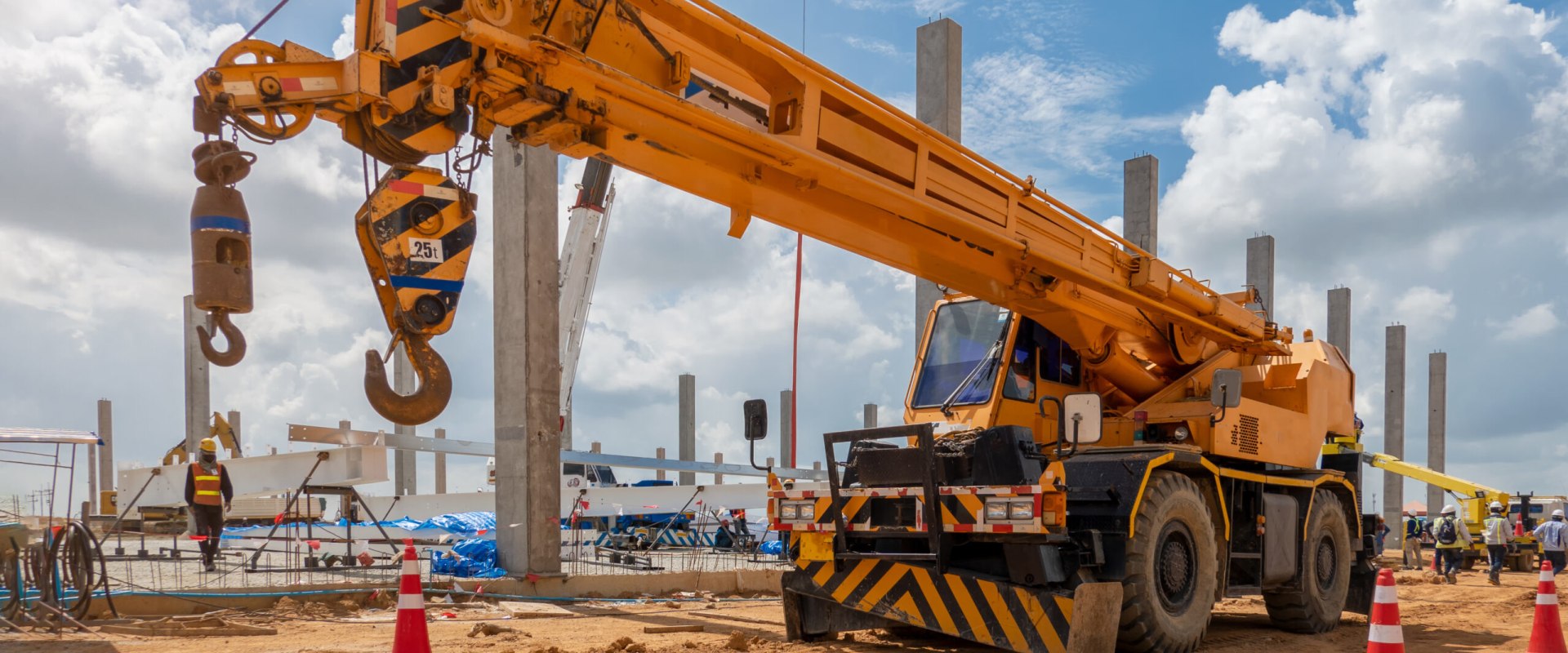
In the construction and heavy lifting industries, crane rental services play a pivotal role in ensuring projects are completed efficiently and safely. These services provide access to a wide range of cranes, each designed to handle specific lifting tasks, making them an essential resource for contractors and project managers. Whether it’s a small residential project or a large-scale industrial operation, the ability to rent cranes tailored to the job's requirements can significantly impact productivity and cost-effectiveness.The importance of crane rentals extends beyond mere convenience; they offer flexibility and scalability that purchasing equipment outright cannot match. Companies can select cranes based on their lifting capacity, reach, and other specifications without the burden of long-term ownership costs.
This adaptability allows businesses to respond quickly to changing project demands, ensuring that they have the right equipment at the right time.Understanding crane lifting capacity is crucial when utilizing these rental services. Each crane has a specific weight limit it can safely lift, which varies based on its design and configuration. By leveraging crane rental services, companies can access detailed information about each crane's capabilities, enabling them to make informed decisions that enhance safety and efficiency on the job site. As we delve deeper into this topic, we will explore the various types of cranes available for rent and their respective lifting capacities, providing insights that can help optimize your next project.
Types of Cranes and Their Lifting Capacities
When considering crane rental services, it's essential to understand the different types of cranes available and their respective lifting capacities.Each type of crane is designed for specific tasks, making it crucial to choose the right one for your project.
1.Tower Cranes
Tower cranes are commonly used in the construction of tall buildings. They are known for their impressive lifting capacities, often ranging from 10 tons to over 20 tons. Their height and reach allow them to lift materials to significant heights, making them ideal for high-rise construction.2.Mobile Cranes
Mobile cranes are versatile and can be easily transported from one site to another. They come in various sizes, with lifting capacities typically between 5 tons and 50 tons.Their ability to maneuver in tight spaces makes them suitable for a wide range of projects, from residential construction to industrial applications.
3.Rough Terrain Cranes
Designed for off-road conditions, rough terrain cranes have large tires and a powerful engine. They usually have lifting capacities ranging from 15 tons to 30 tons. These cranes are perfect for construction sites that are not easily accessible by standard vehicles.4.Crawler Cranes
Crawler cranes are equipped with tracks instead of wheels, providing stability on uneven ground. Their lifting capacities can vary significantly, often between 50 tons and 600 tons.This makes them suitable for heavy lifting tasks in challenging environments.
5.All-Terrain Cranes
All-terrain cranes combine the features of mobile and rough terrain cranes, allowing them to operate on both paved roads and rough sites. Their lifting capacities typically range from 20 tons to 120 tons, making them a flexible option for various projects.When selecting a crane for rent, it's vital to assess the specific requirements of your project, including the weight of materials to be lifted and the site conditions. Consulting with a reputable crane rental service can help ensure you choose the right crane that meets your needs efficiently and safely.Factors Affecting Crane Lifting Capacity
When considering crane rental services, understanding the factors that affect a crane's lifting capacity is crucial for ensuring safety and efficiency on the job site. Several key elements play a significant role in determining how much weight a crane can safely lift.Load Distribution
The way the load is distributed on the crane can greatly impact its lifting capacity.Uneven weight distribution can lead to instability, increasing the risk of tipping over. It is essential to ensure that loads are evenly distributed across the crane's hook and that they are within the specified limits outlined by the manufacturer.
Boom Length
The length of the crane's boom also affects its lifting capacity. Generally, as the boom extends, the lifting capacity decreases. This is due to the increased leverage and stress placed on the crane's structure.Operators must be aware of the load limits associated with different boom lengths and adjust their operations accordingly.
Environmental Conditions
Environmental factors such as wind speed, ground conditions, and temperature can also influence a crane's lifting capabilities. High winds can create additional forces on the load, making it more challenging to lift safely. Similarly, unstable ground conditions may require additional precautions or equipment to ensure safe operation.Safety Factors in Crane Operation
Safety factors are integral to crane operation. These include adhering to manufacturer guidelines, conducting regular inspections, and ensuring that operators are well-trained.The use of safety margins in load calculations helps prevent overloading, which can lead to catastrophic failures. In summary, when utilizing crane rental services, it is vital to consider these factors—load distribution, boom length, environmental conditions, and safety protocols—to maximize lifting capacity while ensuring safety on site.
How to Determine the Right Crane for Your Project
Choosing the right crane for your project is crucial to ensure safety, efficiency, and cost-effectiveness. The first step in this process is to assess your project requirements. This includes understanding the weight of the materials you need to lift, the height they need to be lifted to, and the distance they will be moved. Each crane has a specific lifting capacity, so knowing these details will help you select a crane that can handle the load without exceeding its limits.Next, consider the site conditions.The terrain where the crane will operate plays a significant role in your selection. For instance, if your project is on uneven ground or in a confined space, you may need a smaller, more maneuverable crane. Conversely, if you are working on a large construction site with ample space, a larger crane may be more appropriate.
- Weight Capacity: Determine the maximum weight that needs to be lifted. Cranes are rated for specific loads, and exceeding this can lead to accidents.
- Height Requirements: Assess how high materials need to be lifted.
Different cranes have varying maximum lift heights.
- Reach: Consider how far the crane needs to extend horizontally. This is particularly important for projects with obstacles.
- Mobility: Evaluate whether you need a stationary crane or one that can move around the site.
By taking these steps, you can ensure that your lifting operations are safe and efficient.
Common Misconceptions About Crane Lifting Capacities
When it comes to crane rental services, there are numerous myths and misconceptions surrounding the lifting capacities of cranes. Understanding these misconceptions is crucial for making informed decisions when renting a crane for your project.- Myth 1: All Cranes Can Lift the Same Weight
One of the most common misconceptions is that all cranes have similar lifting capacities. In reality, cranes vary significantly in their design, size, and intended use. For instance, a small mobile crane may only lift a few tons, while a large tower crane can handle hundreds of tons.It's essential to choose the right type of crane based on the specific requirements of your project.
- Myth 2: Cranes Can Always Lift Their Maximum Capacity
Another prevalent myth is that cranes can always lift their maximum rated capacity. However, this is not the case. Factors such as the crane's configuration, the load's center of gravity, and environmental conditions (like wind) can affect lifting capabilities. Operators must assess these factors to ensure safe lifting practices. - Myth 3: Weight is the Only Consideration
Many people believe that weight is the sole factor in determining whether a crane can lift an object.While weight is important, other factors such as load shape, size, and distribution also play critical roles. A well-distributed load may be easier to lift than an unevenly distributed one of the same weight.
- Myth 4: Cranes Can Lift Any Load at Any Height
It's a common misconception that cranes can lift any load to any height without limitations. In reality, lifting height affects a crane's stability and capacity. As the height increases, the effective lifting capacity often decreases due to stability concerns.
Always consult with professionals who can provide accurate information about crane capabilities and limitations.
Safety Considerations When Using Cranes
When utilizing crane rental services, ensuring safety is paramount to protect both personnel and equipment. Here are some essential safety practices to follow:- Conduct Regular Inspections: Before any lifting operation, perform thorough inspections of the crane and its components. Check for wear and tear, hydraulic leaks, and ensure that all safety devices are functioning properly.
- Understand Load Limits: Each crane has a specified load capacity. Familiarize yourself with the crane's lifting capacity and never exceed it.
Overloading can lead to catastrophic failures.
- Use Proper Rigging Techniques: Ensure that all loads are rigged correctly. Use appropriate slings, hooks, and other rigging equipment that are rated for the weight being lifted.
- Establish a Safe Work Zone: Create a designated area around the crane where no unauthorized personnel are allowed. This minimizes the risk of accidents during lifting operations.
- Communicate Effectively: Use clear hand signals or radios to communicate between the crane operator and ground personnel. This ensures everyone is aware of the lifting process and can react quickly if needed.
Training for operators is also essential; they should be certified and knowledgeable about safe crane operation techniques. By implementing these safety considerations, you can significantly reduce the risk of accidents and ensure a smooth operation when using crane rental services.
FAQs About Crane Rental Services and Lifting Capacities
When considering crane rental services, many clients have questions regarding lifting capacities and operational specifics. Here are some of the most frequently asked questions:What is the typical lifting capacity of cranes?
The lifting capacity of cranes can vary significantly based on the type and model. Generally, cranes can lift anywhere from 10 tons to over 1,000 tons. For instance, smaller mobile cranes may have a capacity of around 10 to 50 tons, while larger tower cranes can handle much heavier loads.How do I determine the right crane for my project?
To select the appropriate crane, consider the following factors:- Weight of the load: Know the total weight you need to lift.
- Height requirements: Determine how high the load needs to be lifted.
- Site conditions: Assess the ground conditions and space available for crane setup.
- Type of crane: Choose between mobile, tower, or crawler cranes based on your project needs.
Are there any safety regulations I should be aware of?
Yes, safety is paramount in crane operations.Ensure that your crane rental service complies with local regulations and standards set by organizations such as OSHA (Occupational Safety and Health Administration). Additionally, operators should be certified and trained to handle specific types of cranes.
Can I rent a crane for a short-term project?
Absolutely! Many crane rental services offer flexible rental terms, including short-term rentals for specific projects. This allows you to access the equipment you need without long-term commitments.What additional costs should I consider when renting a crane?
In addition to the base rental fee, consider costs such as:- Delivery and pickup fees: Charges for transporting the crane to and from your site.
- Operator fees: If you require a certified operator, this will add to your overall cost.
- Insurance: Ensure that you have adequate insurance coverage for the duration of the rental.
Conclusion: Key Takeaways on Crane Lifting Capacities and Rentals
In conclusion, understanding the lifting capacities of cranes is crucial for anyone considering crane rental services. The ability to accurately assess the weight a crane can lift not only ensures safety on the job site but also enhances operational efficiency.Here are some key takeaways:
- Know Your Needs: Before renting a crane, it’s essential to evaluate the specific requirements of your project, including the weight of materials and the height they need to be lifted.
- Types of Cranes Matter: Different types of cranes, such as tower cranes, mobile cranes, and crawler cranes, have varying lifting capacities. Understanding these differences can help you choose the right crane for your needs.
- Consult with Experts: Engaging with professionals in crane rental services can provide valuable insights into which crane will best suit your project’s demands. They can also assist in understanding load charts and safety regulations.
- Safety First: Always prioritize safety by adhering to load limits and ensuring that all operators are trained and certified. This not only protects your investment but also safeguards the well-being of all personnel on site.
Remember, the right crane can make all the difference in achieving your construction goals efficiently and safely.