In the realm of construction and industrial projects, crane rental services play a pivotal role in ensuring efficiency and safety. These services provide access to specialized equipment that is essential for lifting heavy materials, maneuvering large structures, and facilitating complex operations. Whether it’s a small-scale renovation or a massive infrastructure project, having the right crane can significantly impact the timeline and success of the endeavor. Understanding the minimum rental period for cranes is crucial for project managers and contractors alike. Rental terms can vary widely depending on the service provider, the type of crane required, and the specific needs of the project.
Typically, rental agreements are structured to accommodate both short-term and long-term projects, but knowing the minimum duration can help in budgeting and planning effectively. Moreover, the implications of these rental periods extend beyond mere logistics. They can influence costs, availability of equipment, and even the scheduling of labor. As such, it’s essential for businesses to familiarize themselves with crane rental terms to make informed decisions that align with their operational goals. By understanding these aspects, companies can optimize their use of crane rental services and ensure that they have the necessary equipment at their disposal when they need it most.
What Are Crane Rental Services?
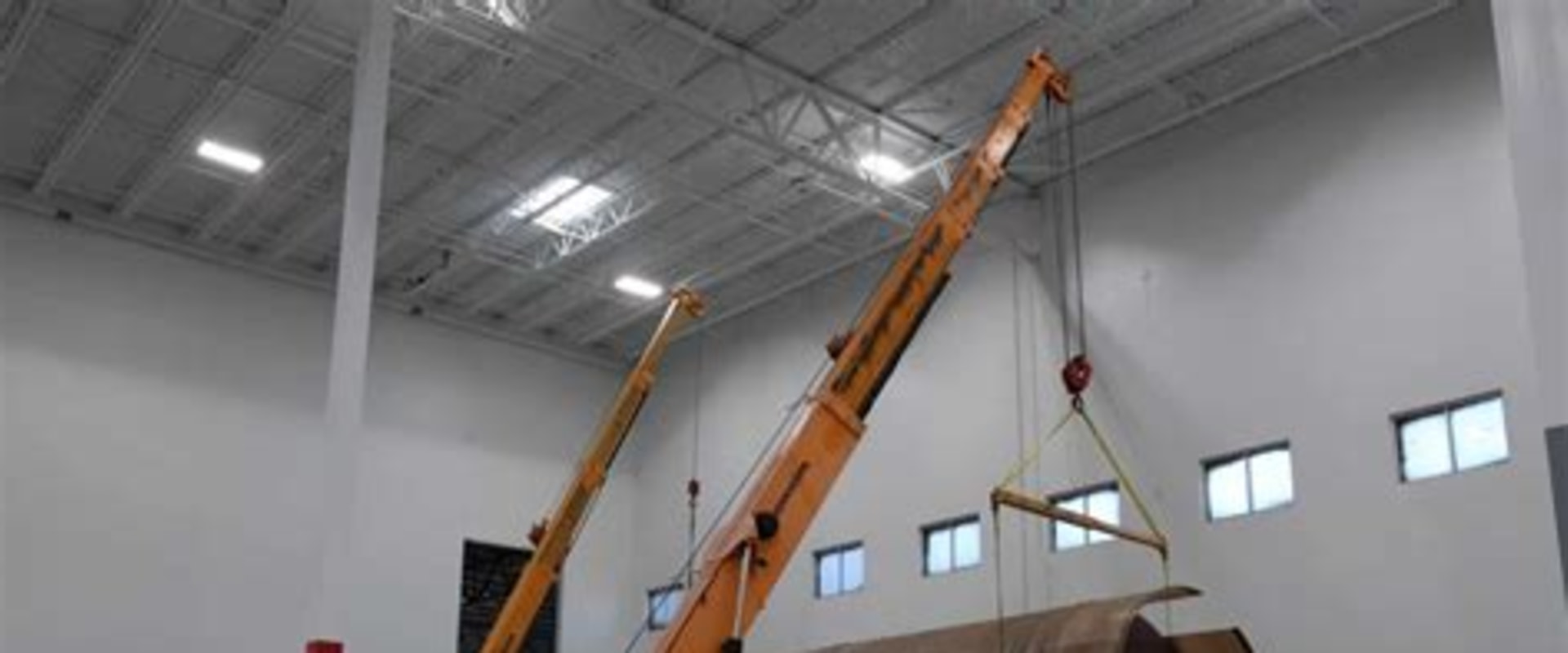
Crane rental services provide essential equipment for construction, industrial, and logistical projects that require heavy lifting.These services allow businesses to access a variety of cranes without the need for significant capital investment in purchasing and maintaining the machinery.There are several types of cranes available for rent, each designed to meet specific project needs:
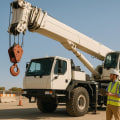
- Mobile Cranes: Versatile and easy to transport, mobile cranes can be used in various locations and are ideal for construction sites.
- Tower Cranes: Commonly used in tall building construction, tower cranes provide height and lifting capacity, making them essential for skyscrapers.
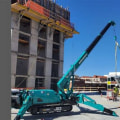
- Crawler Cranes: Equipped with tracks instead of wheels, crawler cranes offer stability on uneven terrain, making them suitable for heavy lifting in challenging environments.
- Rough Terrain Cranes: Designed for off-road conditions, these cranes can navigate rough surfaces while providing significant lifting power.
- Cost-Effectiveness: Renting cranes eliminates the high upfront costs associated with purchasing equipment, allowing companies to allocate resources more efficiently.
- Access to Latest Technology: Rental services often provide access to the latest crane models equipped with advanced technology, enhancing safety and efficiency on job sites.
- Flexibility: Businesses can rent cranes for short-term projects or specific tasks, ensuring they only pay for what they need when they need it.
- Maintenance and Support: Most rental companies handle maintenance and repairs, reducing downtime and ensuring that equipment is always in optimal working condition.
Understanding Rental Periods in Crane Rentals
When considering crane rental services, understanding the concept of a rental period is crucial. A rental period refers to the duration for which a crane is leased, and it can significantly impact both the cost and availability of the equipment. Typically, rental periods can range from a single day to several months, depending on the specific needs of the project.Factors Affecting Rental Periods
- Project Scope: The size and complexity of the project often dictate how long a crane is needed. Larger projects may require extended rental periods to accommodate various phases of construction.
- Type of Crane: Different types of cranes have varying rental durations based on their capabilities and the tasks they are designed for.
For instance, specialized cranes may be rented for longer periods due to their unique functions.
- Availability: The availability of cranes can also influence rental periods. During peak seasons, shorter rental periods may be necessary due to high demand.
- Contract Terms: Rental agreements often specify minimum rental durations. Some companies may have a standard minimum period, such as one week or one month, which can affect your planning.
Always ensure to clarify these details upfront to avoid any unexpected costs or delays.
Is There a Minimum Rental Period for Cranes?
When considering crane rental services, one of the most common questions that arises is whether there is a minimum rental period for cranes. This aspect can significantly impact project planning and budgeting, making it essential to understand the policies that govern crane rentals.Generally, most crane rental companies do implement a minimum rental period. This period can vary widely depending on several factors, including the type of crane, the rental company’s policies, and the specific needs of the project. Typically, the minimum rental period ranges from four hours to a full day.Industry Standards for Crane Rentals
Industry standards suggest that a minimum rental period of at least one day is common for larger cranes, especially those used in heavy construction projects.However, smaller cranes or specialized equipment may have shorter minimums. Here are some key points to consider:
- Short-Term Rentals: For projects requiring quick lifts or short tasks, some companies offer hourly rentals with a minimum of four hours.
- Long-Term Rentals: If you need a crane for an extended period, many companies provide discounts for weekly or monthly rentals.
- Project-Specific Needs: Some rental companies may adjust their minimum periods based on the specific requirements of your project.
Understanding these policies will help you make informed decisions when utilizing crane rental services.
Factors Influencing Minimum Rental Periods
When considering crane rental services, several factors can significantly influence the minimum rental periods required by service providers. Understanding these factors can help project managers and contractors make informed decisions that align with their project needs.Project Size and Duration
The size and duration of a project are primary determinants of the minimum rental period for cranes. Larger projects, such as high-rise buildings or extensive infrastructure developments, typically require cranes for extended periods. In contrast, smaller projects may only need cranes for a few days or weeks.Rental companies often set minimum periods based on the anticipated usage to ensure that their equipment is utilized efficiently.
Equipment Availability
Equipment availability also plays a crucial role in determining minimum rental periods. If a specific type of crane is in high demand, rental companies may impose longer minimum rental periods to maximize their return on investment. Conversely, if a crane is readily available, they might offer more flexible rental terms. This variability can depend on seasonal demand, local construction activity, and the overall market conditions.Logistical Considerations
Logistics surrounding the transportation and setup of cranes can further influence rental periods.The time required to deliver, assemble, and disassemble the equipment can lead to longer minimum rental agreements. For instance, if a crane needs to be transported over a significant distance or requires specialized setup, the rental company may establish a longer minimum period to accommodate these logistical challenges.In summary, when engaging with crane rental services, it is essential to consider project size, duration, equipment availability, and logistical factors. By understanding these elements, clients can better negotiate terms that suit their specific project requirements while ensuring efficient use of resources.
Common Practices Among Crane Rental Companies
When it comes to crane rental services, understanding the common practices among different companies can help clients make informed decisions. One of the most significant factors to consider is the minimum rental period, which can vary widely based on company policies and regional practices.Typical Rental Agreements
- Many crane rental companies establish a minimum rental period, often ranging from four hours to a full day.
This is primarily to cover transportation and setup costs.
- Some companies may offer flexible agreements, allowing for shorter rental periods, especially for smaller projects or emergency needs.
- In contrast, larger projects may benefit from longer-term rentals, which can lead to discounted rates for extended use.
Regional Differences in Crane Rentals
- In urban areas with high demand, such as New York City or Los Angeles, the minimum rental period may be more rigid due to the competitive market.
- Conversely, in rural regions, companies might be more flexible with their minimums to attract clients who may not require cranes as frequently.
- Local regulations and construction practices can also influence these policies; for instance, some regions may have specific guidelines that dictate minimum usage times for safety reasons.
Crane Rental Company Policies
Ultimately, it’s essential for clients to review the specific policies of each crane rental company. Engaging in direct communication can clarify any uncertainties regarding minimum rental periods and help tailor agreements to fit project needs. Additionally, understanding these common practices can aid in budgeting and project planning, ensuring that clients are well-prepared for their lifting requirements.
FAQs About Crane Rental Services and Minimum Periods
When considering crane rental services, many clients have questions regarding the minimum rental periods. Understanding these requirements can help you plan your project more effectively and avoid unexpected costs.What is the typical minimum rental period for cranes?
The minimum rental period for cranes can vary significantly based on the rental company and the type of crane being rented.Generally, most companies set a minimum rental period ranging from 4 hours to 1 day. For larger projects requiring extensive use, some companies may offer longer minimum periods, such as weekly or monthly rates.
Are there any exceptions to the minimum rental period?
Yes, there are exceptions. Some crane rental services may allow for shorter rental periods during off-peak times or for specific types of equipment. It’s advisable to inquire directly with the rental provider about any flexibility in their policies.What factors influence the minimum rental period?
- Type of Crane: Different cranes have different operational costs and demand levels, which can affect minimum rental terms.
- Project Duration: Longer projects may benefit from negotiated rates that lower the effective cost per day.
- Seasonal Demand: During peak construction seasons, companies may enforce stricter minimum periods due to high demand.
Can I negotiate the minimum rental period?
In many cases, yes! It’s often possible to negotiate terms with your crane rental service.If you have a unique project requirement or a long-term need, discussing your situation with the provider can lead to more favorable terms.In conclusion, understanding the minimum rental periods for cranes is crucial for effective project planning. Always communicate with your chosen crane rental services provider to clarify any concerns and ensure you get the best deal for your needs.
Conclusion: Key Takeaways on Crane Rental Periods
In summary, understanding the minimum rental periods for cranes is crucial for both contractors and project managers. These periods can vary significantly based on several factors, including the type of crane, the rental company’s policies, and the specific needs of the project.Key takeaways
regarding crane rental periods include:- Standard Minimums: Most crane rental services establish a standard minimum rental period, often ranging from four hours to a full day. This ensures that the equipment is utilized efficiently and justifies the logistics involved in delivering and setting up the crane.
- Project Duration: For longer projects, it may be more cost-effective to negotiate a longer rental period.
Many companies offer discounts for extended rentals, which can significantly reduce overall costs.
- Flexibility: Some rental services provide flexible options that allow clients to adjust their rental periods as project timelines change. This adaptability can be invaluable in dynamic work environments.
- Additional Costs: Be aware of potential additional costs associated with short-term rentals, such as delivery fees or charges for equipment setup and breakdown.